Image not available
Other industries
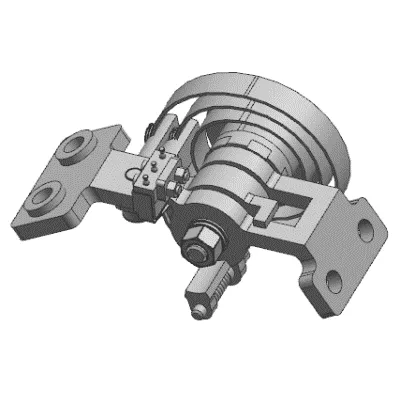
High Precision Aerospace Hinge CGJGHG10kg China Factory Suppliers
Looking for high-precision aerospace hinges? Our China factory provides the CG-JG-HG-10kg model for satellites and UAVs, offering extreme thermal resistance and lightweight design. Contact leading China suppliers for reliable orbital components.
SupplierAstralink Science and Technology Co., Ltd.www.space-navi.com
Source categories
About this product
Product information from the supplier.
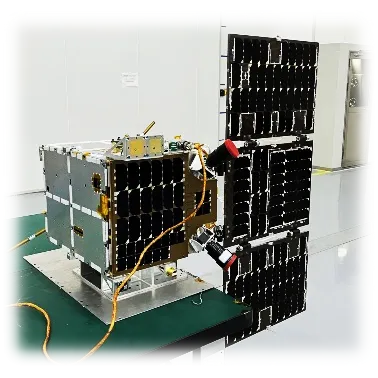
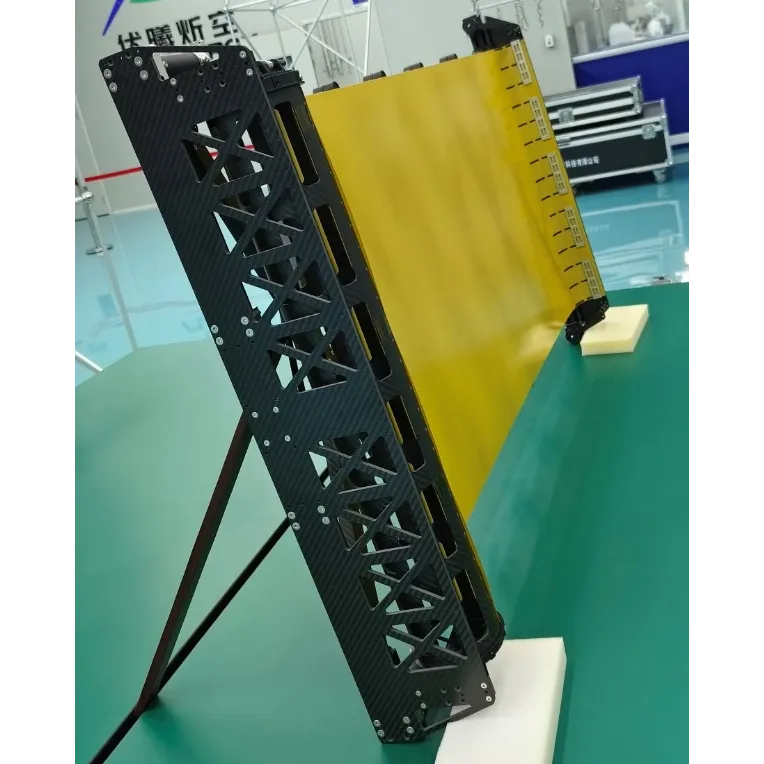
Our high-precision Aerospace Hinge (Model CG-JG-HG-10kg) is a critical mechanical component engineered specifically for the rigorous demands of aviation and spacecraft assembly. Designed to provide a seamless pivot point between two structural elements, this hinge is optimized for the deployment of solar panels and satellite components, ensuring a precise and reliable rotation mechanism in extreme orbital environments.
Constructed from aerospace-grade materials to withstand severe thermal cycling and structural stress, our hinges provide the essential balance of lightweight design and high load-bearing capacity. Whether utilized for folding mechanisms or instrument enclosures, these components ensure smooth, controlled movement and long-term operational stability, meeting the strictest standards of the aerospace manufacturing industry.
Detailed Parameters
| Product Code | CG-JG-HG-10kg | Applicable Solar Panel | 0.1kg ~ 10kg |
|---|---|---|---|
| Unit Weight | 75g ± 5g | Temperature Range | -60℃ to +100℃ |
| Deployment Angle | 90° ± 0.1° | Driving Torque | 0.1Nm ~ 5Nm |
| Material Grade | Aerospace-grade Alloy | Supply Cycle | 5 Months |
| Movement Type | Pivot/Rotate | Application | Satellite/UAV Components |
Key Advantages
Extreme Durability
Engineered to operate flawlessly in temperatures from -60℃ to +100℃, ensuring stability in the vacuum of space.
Precision Deployment
Achieves a deployment angle accuracy of ±0.1°, critical for the alignment of solar arrays and antennas.
Ultra-Lightweight
With a weight of only 75g, it minimizes launch mass while supporting payloads up to 10kg.
Controlled Torque
Offering a driving torque range of 0.1Nm to 5Nm for smooth and predictable mechanical movement.
Corrosion Resistance
Utilizes high-grade materials to prevent wear and oxidation in harsh atmospheric and orbital conditions.
Industrial Versatility
Compatible with a wide range of satellite components, UAV frames, and aerospace instrument housings.
Product Gallery
Management Platforms
Inventory Tracking
Real-time monitoring of aerospace component stock and supply chain logistics.
Quality Control
Rigorous tolerance testing to ensure ±0.1° deployment accuracy for every unit.
Cycle Management
Optimized 5-month supply cycle to align with satellite manufacturing timelines.
Thermal Validation
Verification platforms ensuring operational stability at -60℃ to +100℃.
Component Integration
Seamless compatibility management with Gallium Arsenide solar arrays.
Load Analysis
Dynamic torque and load-bearing simulation for payloads up to 10kg.
Investment Return Comparison
| Metric | Standard Industrial Hinge | Aerospace Grade Hinge |
|---|---|---|
| Temp. Resistance | -20℃ to +60℃ | -60℃ to +100℃ |
| Weight Efficiency | Heavy Steel/Brass | Ultra-light Alloy (75g) |
| Angular Precision | ±2.0° to 5.0° | ±0.1° High Precision |
| Deployment Life | Standard Cycle | High-Cycle Space Rated |
| Payload Ratio | Low Stability | High Support (Up to 10kg) |
Frequently Asked Questions
Q: What are the primary applications of this hinge in the aerospace industry?
It is primarily used for the deployment of solar arrays, antenna positioning, and the opening/closing of instrument panels on satellites and UAVs.
Q: How does this product handle extreme thermal variations in space?
The hinge is engineered with specialized aerospace alloys and lubricants that maintain mechanical properties across a range of -60℃ to +100℃.
Q: Is the 90° deployment angle adjustable?
The standard model provides a precision deployment of 90° ± 0.1°. Custom angles can be discussed based on specific satellite configuration requirements.
Q: What is the maximum load capacity for this specific hinge model?
The CG-JG-HG-10kg model is specifically designed to support solar panels and components weighing between 0.1kg and 10kg.
Q: What is the typical lead time for bulk aerospace hinge orders?
The standard supply cycle is approximately 5 months, accounting for precision manufacturing and rigorous aerospace quality validation.
Q: How does the driving torque affect the deployment process?
The driving torque (0.1Nm to 5Nm) ensures that the deployment is controlled and resists unintended movement caused by vibrations during launch.
Request a Technical Quote for Your Aerospace Project
Contact UsMore from this supplier
Astralink Science and Technology Co., Ltd.