Image not available
Hardware & tools
Premium Thrust Roller Bearings China Factory and Wholesale Suppliers
High-performance thrust roller bearings from a leading China factory. Designed by expert suppliers to carry heavy axial loads and fix axial direction, these bearings are optimized for low-speed rotation and maximum stability.
SupplierXINGTAI WEIZI BEARING CO., LTD.www.weizibearing.com
Source categories
About this product
Product information from the supplier.
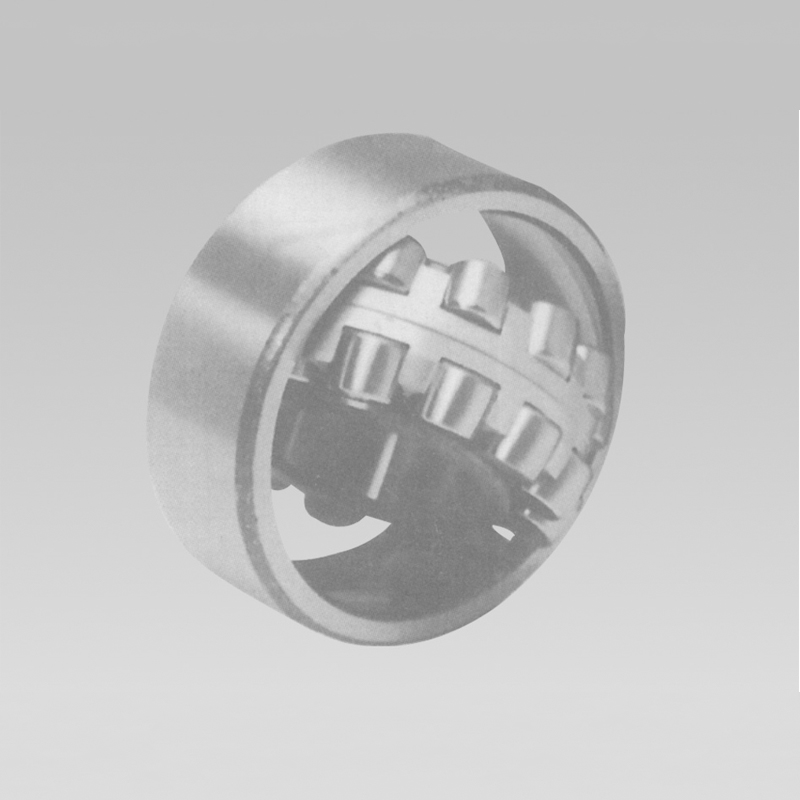
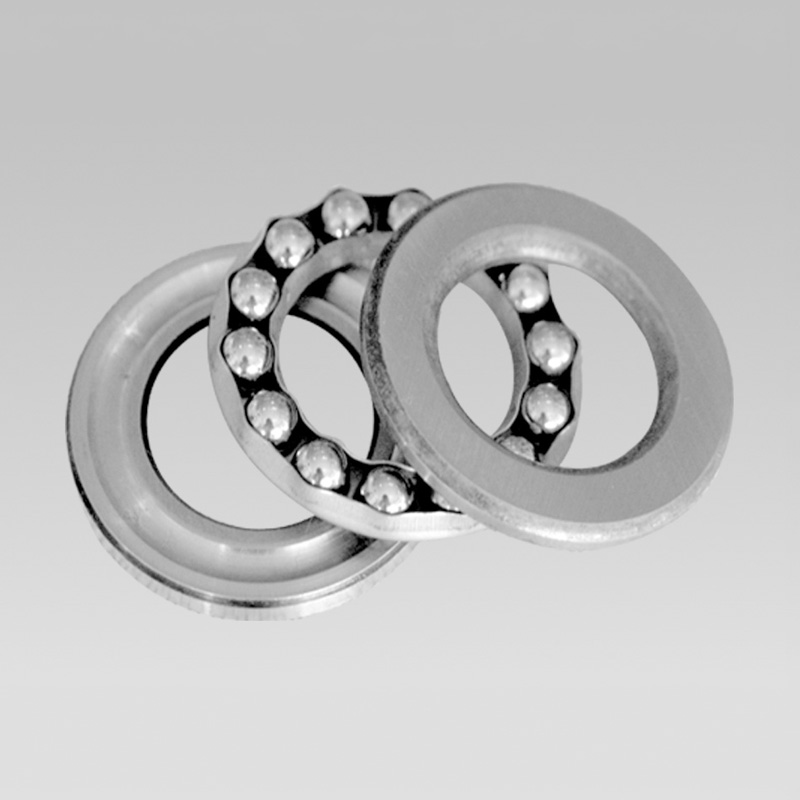
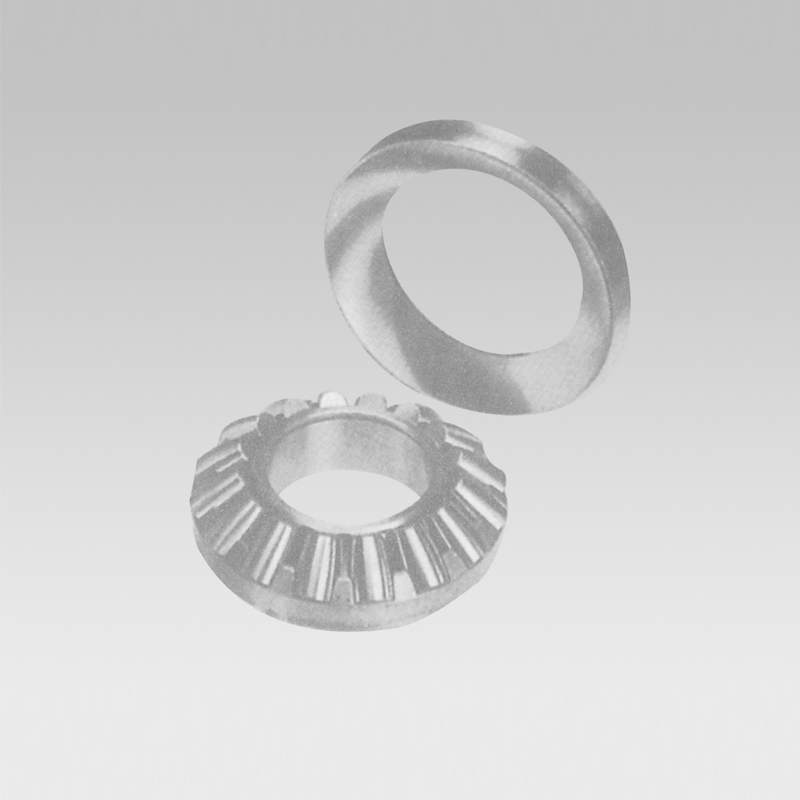
Our high-performance Thrust Roller Bearings are precision-engineered to handle heavy axial loads with exceptional stability. Designed specifically for applications where axial displacement needs to be strictly controlled, these bearings provide a robust solution for fixing axial direction in complex machinery assemblies.
To ensure optimal performance and longevity, these bearings are ideally paired with radial ball or roller bearings to manage combined loads. Engineered for low-speed rotation environments, they feature specialized designs—including double direction options and seating rings—to compensate for fitting errors and ensure precise operational alignment.
Detailed Parameters
| Load Capacity | Pure Axial Loads Only | Radial Capacity | Not Applicable |
|---|---|---|---|
| Rotation Speed | Low Speed Optimized | Axial Control | Bi-directional (Optional) |
| Mounting Type | Axial Preloading Required | Alignment | Fixed Axial Direction |
| Error Correction | Seating Rings Available | Compatibility | Radial Bearing Pairing |
| Stability | High Anti-Sliding Performance | Application | Industrial General Equipment |
Key Advantages
Axial Load Specialization
Expertly crafted to carry maximum axial loads, ensuring structural integrity under heavy pressure.
Enhanced Stability
Axial preloading mounting prevents centrifugal force sliding at the ball-to-raceway contact.
Dual-Direction Support
Available in double direction configurations to limit axial displacement in both directions.
Precision Fitting
Integrated seating rings compensate for fitting errors, reducing installation downtime.
System Compatibility
Seamlessly integrates with radial ball or roller bearings for complete load management.
Low-Speed Efficiency
Optimized for low-speed rotation to maximize wear resistance and operational life.
Product Gallery
Management Platforms
Inventory Control
Real-time tracking of bearing stock levels to ensure zero production delays.
Quality Assurance
Rigorous inspection protocols for every bearing batch to meet ISO standards.
Order Monitoring
Automated notification system for order processing and shipping status.
Technical Support
Direct access to engineering experts for customized bearing selection.
Logistics Optimization
Global supply chain management for rapid delivery of machinery parts.
Lifecycle Analysis
Predictive maintenance data to optimize bearing replacement cycles.
Investment Return Comparison
| Evaluation Metric | Standard Bearings | Our Premium Thrust Bearings |
|---|---|---|
| Load Capacity | Basic Axial Support | Enhanced Heavy-Duty Axial Support |
| Installation Fit | Manual Adjustment | Seating Ring Compensation |
| Operational Life | Standard Wear Rate | Extended Low-Speed Durability |
| Stability Index | Moderate | High (with Axial Preloading) |
| Maintenance Cost | Frequent Adjustments | Reduced Lifecycle Costs |
Frequently Asked Questions
Q: Can Thrust Roller Bearings handle radial loads?
No, this specific type of bearing is designed exclusively for axial loads and cannot carry radial loads. It should be used in conjunction with radial bearings for comprehensive support.
Q: Why is axial preloading necessary for these bearings?
Axial preloading is required to prevent sliding at the ball-to-raceway contact, which can be caused by centrifugal forces during operation.
Q: What is the function of the seating rings?
Seating rings are used to compensate for fitting errors during installation, ensuring the bearing is seated correctly despite minor machining tolerances.
Q: Are these bearings suitable for high-speed machinery?
No, these are specifically designed for low-speed rotation. Applying them in high-speed machinery may lead to premature wear or failure.
Q: What is the difference between single and double direction thrust bearings?
Double direction thrust bearings can carry axial loads and limit axial displacement in both directions, whereas single direction bearings only work in one axis.
Q: How do I choose the right bearing for my machinery parts?
Selection depends on the load direction (axial vs radial), rotation speed, and space constraints. We recommend contacting our technical team for a precision match based on your machinery specifications.
Ready to Optimize Your Machinery Performance?
Contact UsMore from this supplier
XINGTAI WEIZI BEARING CO., LTD.