Image not available

Plastics & rubber
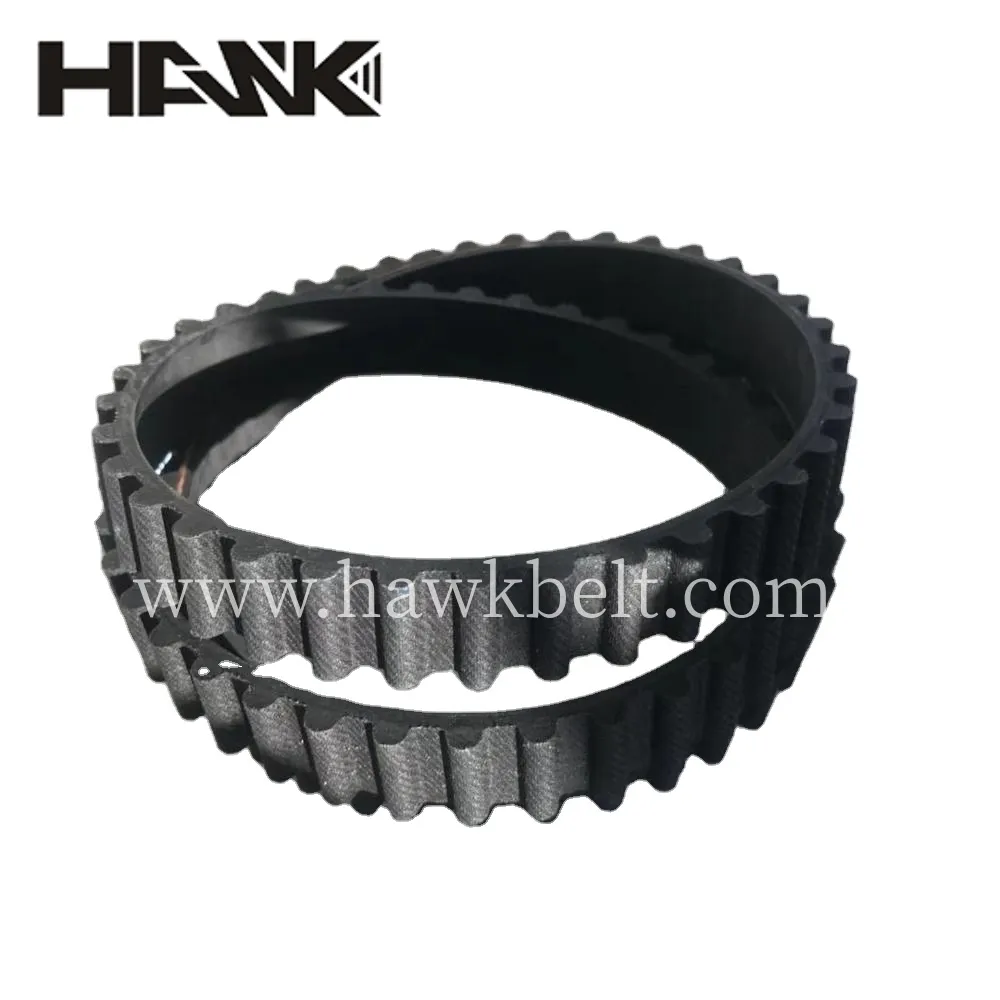
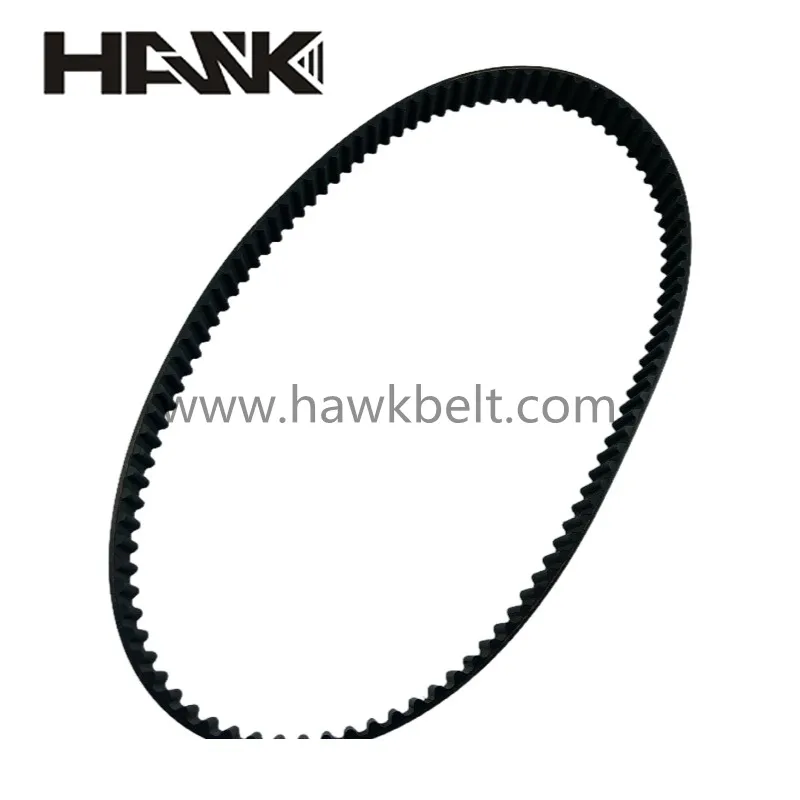
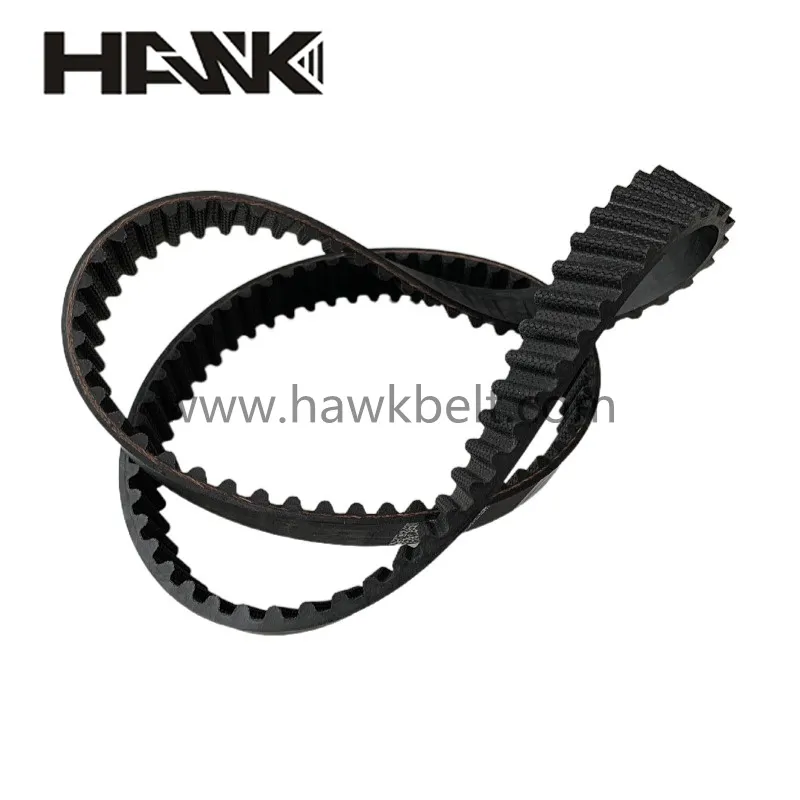
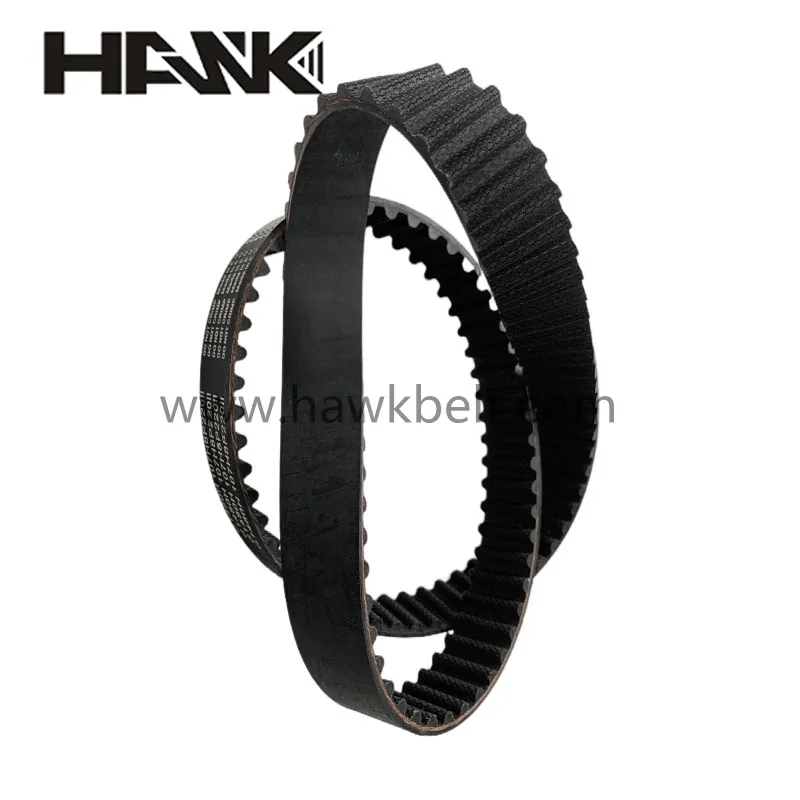
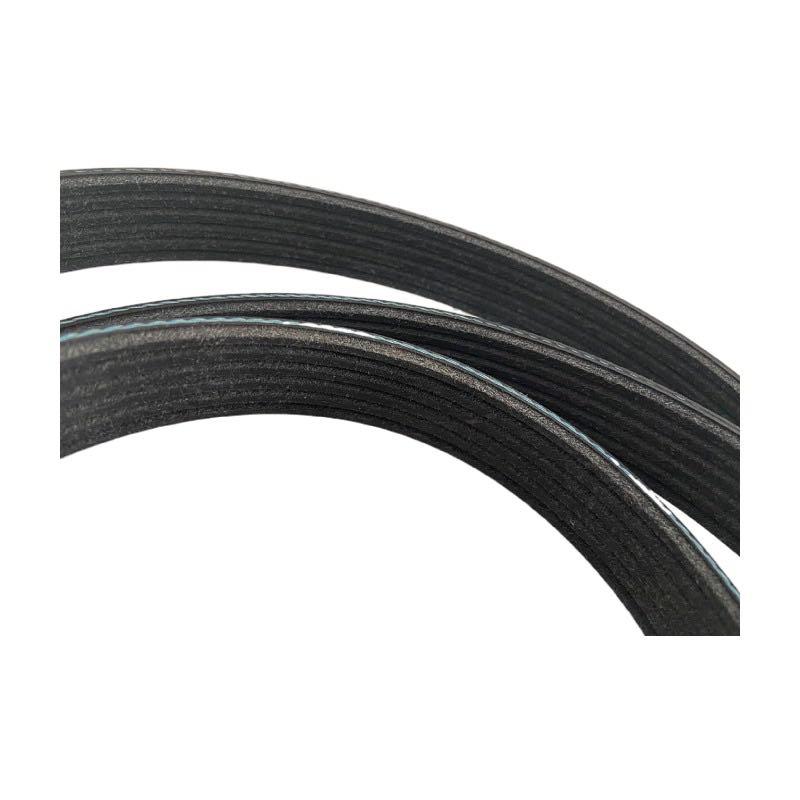
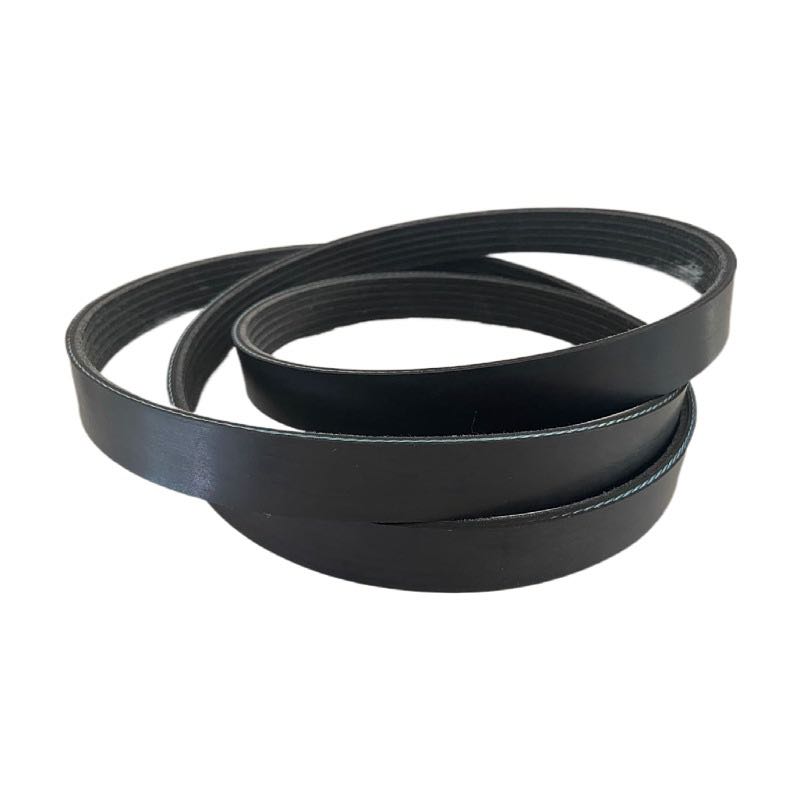
Premium Auto Belts for Toyota Hyundai Kia China Factory Suppliers
High-performance Auto Belts for Toyota Hyundai and Kia. OE 90916-02547 crafted from EPDM material weighing 0.19kg. Sourced from a leading China factory and trusted suppliers for maximum durability and fuel efficiency.
SupplierXingtai Hake rubber and plastic products Co., LTDwww.hawkbelt.com
Source categories
About this product
Product information from the supplier.
Our premium Auto Belts are precision-engineered for Toyota, Hyundai, and Kia vehicles, providing an optimal power transmission solution. Designed to meet rigorous automotive standards, these belts ensure high-efficiency energy transfer and minimal power loss, significantly enhancing fuel economy and overall engine performance.
Utilizing advanced high-strength rubber compounds, our belts are built for durability and resilience. Whether you are seeking Timing Belts, V Belts, or Poly V-ribbed belts, our product range offers a compact design that adapts perfectly to diverse engine configurations, ensuring a smooth, quiet, and reliable driving experience.
Detailed Parameters
| Compatibility | Toyota, Hyundai, Kia | Product Category | Automotive Transmission Belts |
|---|---|---|---|
| Material | High-Strength Reinforced Rubber | Belt Types | Timing, V-Belt, Poly V-Ribbed |
| Performance | High Torque Transfer Efficiency | Noise Level | Low-Noise Operation |
| Design | Compact & Adaptive Fit | Thermal Property | Efficient Heat Dissipation |
| Maintenance | Easy Tension Adjustment | Application | Cars, SUVs, Light Trucks |
Key Advantages
Maximum Durability
Crafted from high-strength materials to ensure a long service life and reduce frequent replacement costs.
High Efficiency
Optimizes power transmission and reduces energy loss for improved fuel economy and performance.
Smooth Operation
Advanced shock absorption reduces vibrations, ensuring a smoother ride and stable transmission.
Low Noise Emission
Engineered to operate quietly, significantly reducing internal cabin noise pollution.
Thermal Management
Facilitates efficient heat transfer to the radiator, maintaining optimal engine operating temperatures.
Versatile Application
Compatible across a wide range of vehicle types including passenger cars, SUVs, and commercial trucks.
Product Gallery


Management Platforms
Inventory Control
Real-time tracking of belt categories including Timing and V Belts for seamless supply.
Quality Assurance
Rigorous testing of rubber density and tension strength to ensure E-E-A-T standards.
Maintenance Alerts
Scheduled inspection reminders for belt tension adjustment to prolong product life.
Logistics Optimization
Streamlined global shipping for automotive rubber parts to reduce lead times.
Catalog Management
Comprehensive database for Toyota/Hyundai/Kia compatible part numbers.
Performance Monitoring
Analytical tracking of wear patterns to continuously improve material formulas.
Investment Return Comparison
| Metric | Standard Rubber Belts | Premium Auto Belts |
|---|---|---|
| Service Life | Short-Medium | Extended Long-Term |
| Power Loss | Moderate | Ultra-Low Efficiency Loss |
| Noise Level | Noticeable Vibration | Whisper-Quiet Operation |
| Maintenance Frequency | High | Low / Periodic Only |
| Fuel Impact | Standard Consumption | Improved Fuel Economy |
Frequently Asked Questions
Q: How often should I replace my automotive drive belt?
Replacement intervals vary by vehicle, but regular inspection of tension and checking for cracks is recommended every 60,000 to 100,000 miles to ensure safety.
Q: Are these belts compatible with all Toyota and Hyundai models?
Our belts are designed for a wide range of Toyota, Hyundai, and Kia models. Please provide your specific engine model or OEM part number for exact compatibility verification.
Q: What is the difference between a Timing Belt and a V-Belt?
Timing belts use teeth to synchronize the crankshaft and camshaft, while V-belts use friction for power transmission to accessories like the alternator or water pump.
Q: How do high-quality belts improve fuel economy?
By reducing slippage and power loss during transmission, the engine operates more efficiently, requiring less fuel to maintain the same power output.
Q: Why is low noise important in transmission belts?
Low-noise belts reduce harmonic vibrations and acoustic pollution, providing a more comfortable interior environment for the driver and passengers.
Q: Can these rubber parts withstand extreme weather conditions?
Yes, our rubber components are formulated to resist thermal degradation in high heat and maintain flexibility in cold climates, ensuring year-round reliability.
Ready to Upgrade Your Vehicle's Performance?
Contact UsMore from this supplier
Xingtai Hake rubber and plastic products Co., LTD