Image not available

Plastics & rubber
123RU24 Automotive Timing Belt China Factory and Professional Suppliers
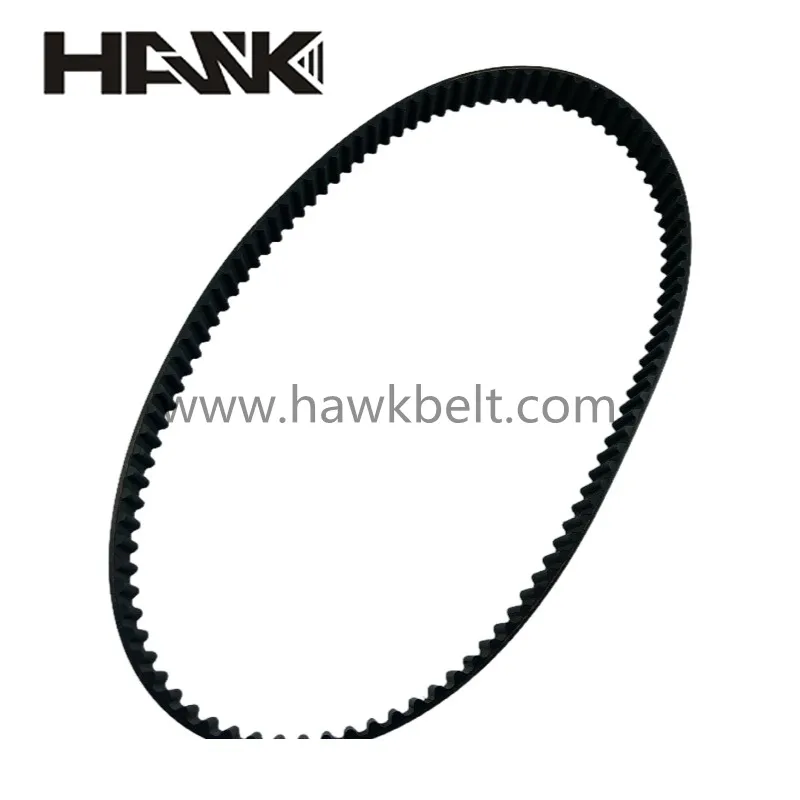
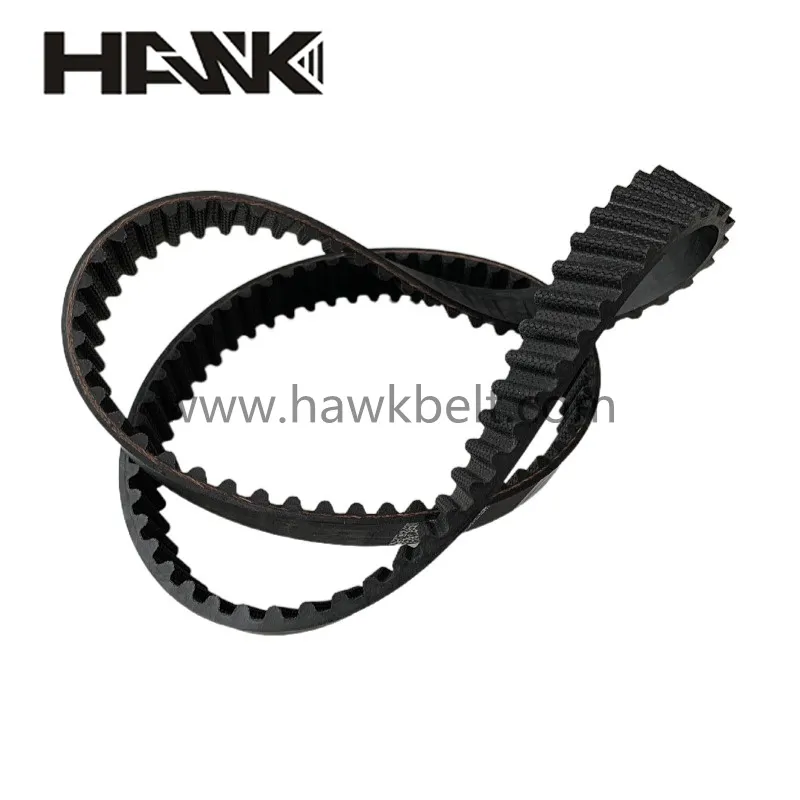
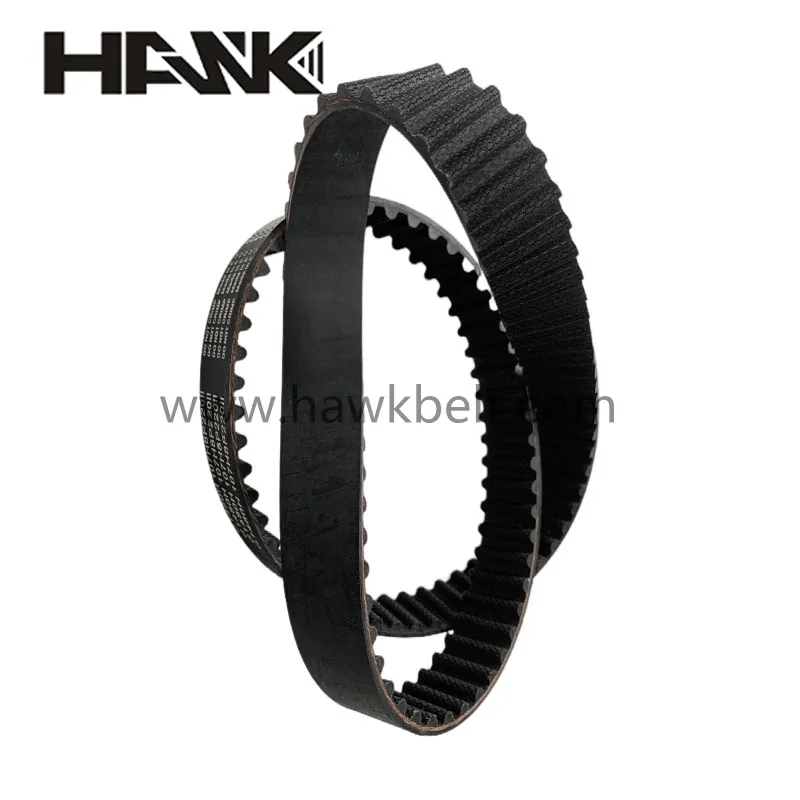
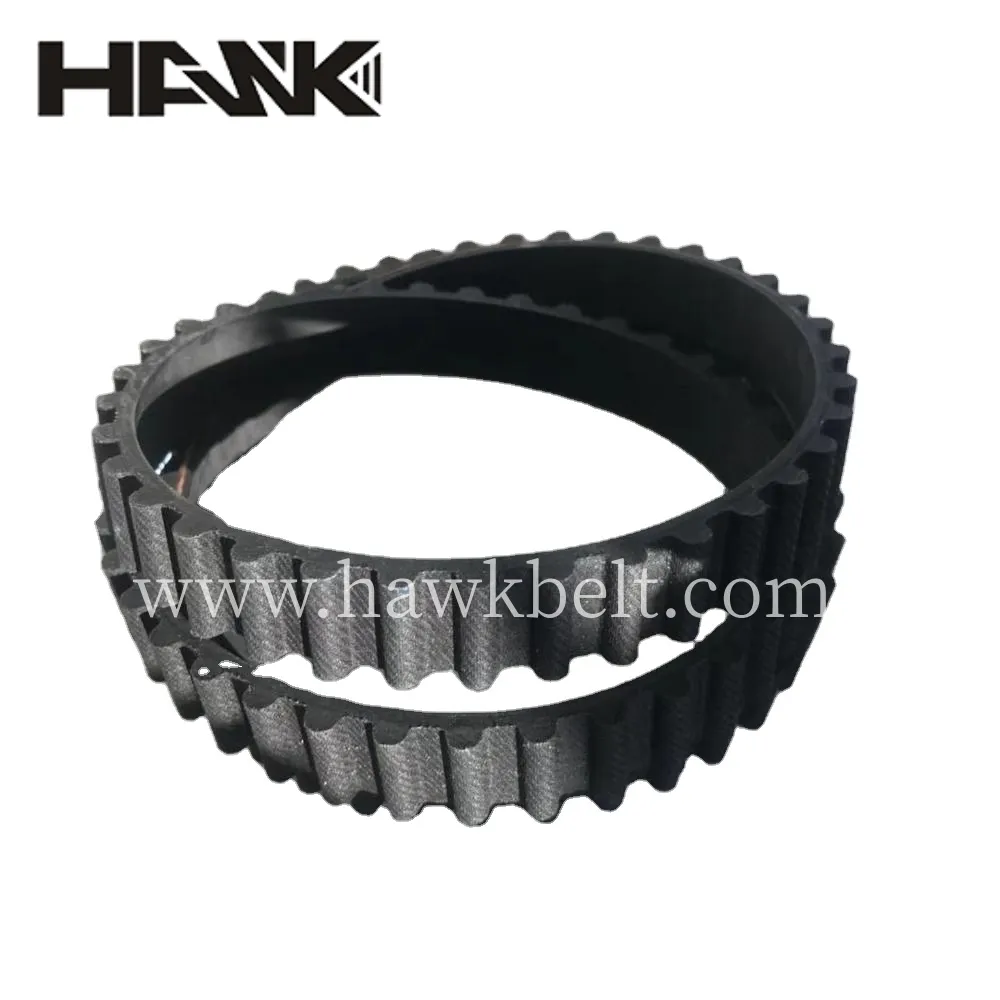
Looking for reliable 123RU24 Automotive Timing Belts? Our China factory offers high-quality CR/HNBR belts for Toyota, Hyundai, and Peugeot. With 123 teeth, 24mm width, and 0.22kg weight, we are the leading suppliers of precision engine components.
SupplierXingtai Hake rubber and plastic products Co., LTDwww.hawkbelt.com
Source categories
About this product
Product information from the supplier.
The 123RU24 Automotive Timing Belt is a critical precision-engineered component designed to synchronize the rotation of the crankshaft and camshaft in internal combustion engines. By acting as the vital "bridge" within the engine's timing system, it ensures that the four key processes—air intake, compression, explosion, and exhaust—occur in perfect coordination with the piston's position, preventing catastrophic internal valve damage.
Manufactured from high-grade industrial rubber compounds, our timing belts are built to withstand the rigorous thermal and mechanical stress of modern automotive environments. Given the critical nature of this component, we emphasize a proactive maintenance strategy, providing durable solutions that maintain synchronization and engine efficiency across thousands of kilometers of operation.
Detailed Parameters
| Product Model | 123RU24 | Product Category | Automotive Timing Belt |
|---|---|---|---|
| Material Composition | High-Strength Rubber | Application | Internal Combustion Engines |
| Primary Function | Crankshaft/Camshaft Sync | Replacement Cycle | 60,000 - 100,000 KM |
| Recommended Change | 80,000 KM | Wear Indicators | Aging, Cracking, Stretching |
| Compatible Parts | Tensioners & Water Pumps | Manufacturing Standard | Industrial Rubber Grade |
Key Advantages
Engine Protection
Prevents critical valve damage by ensuring precise timing between piston movement and valve operation.
Optimized Lifecycle
Engineered for long-term durability, typically requiring replacement every 80,000 km for maximum safety.
Precision Timing
High-accuracy tooth profiling ensures zero slip and perfect synchronization of the engine's four-stroke cycle.
Heat Resistance
Advanced rubber formulation resists thermal degradation under high-temperature engine operating conditions.
Wear Resilience
Designed to resist aging and abrasive wear, reducing the risk of sudden belt failure during operation.
Perfect Fitment
Strictly manufactured to match OEM specifications for seamless integration with tensioners and water pumps.
Product Gallery


Management Platforms
Quality Control
Rigorous material testing to ensure the rubber compound meets international automotive standards.
Production Precision
Automated molding processes to ensure consistent tooth pitch and belt width across all batches.
Lifecycle Tracking
Comprehensive data analysis to determine optimal replacement intervals based on vehicle usage.
Wear Analysis
Detailed studies on rubber aging to enhance the resilience of the timing belt surface.
Inventory Logistics
Efficient supply chain management ensuring rapid delivery of belts to global distributors.
Technical Support
Expert guidance on the installation of timing belts, tensioners, and water pump assemblies.
Investment Return Comparison
| Maintenance Metric | Preventive Replacement | Reactive Repair |
|---|---|---|
| Cost Impact | Low (Part + Labor) | Very High (Engine Overhaul) |
| Engine Downtime | Minimal (Scheduled) | Extensive (Unexpected) |
| Component Risk | Zero Component Failure | Valve & Piston Damage |
| Vehicle Value | Maintained/Increased | Significantly Decreased |
| Safety Level | High Reliability | High Risk of Road Breakdown |
Frequently Asked Questions
Q: What is the primary function of an automotive timing belt?
The timing belt synchronizes the rotation of the crankshaft and the camshaft, ensuring that engine valves open and close at the precise time relative to the piston's position.
Q: When should I replace my rubber timing belt?
While replacement cycles vary by engine, it is generally recommended between 60,000 and 100,000 km. We strongly suggest a check or replacement at 80,000 km.
Q: What happens if a timing belt breaks while driving?
A broken timing belt can cause the pistons to strike the valves, leading to severe internal engine damage and requiring a costly engine rebuild.
Q: Should I replace the tensioner and water pump at the same time?
Yes, because these components share the same wear cycle as the rubber belt, replacing them together prevents future labor costs and avoids new parts wearing out old ones.
Q: Why use rubber belts instead of metal chains?
Rubber belts often provide quieter operation and lower initial manufacturing costs, though they require periodic replacement unlike metal chains.
Q: How can I tell if my timing belt is aging?
Signs of aging include visible cracks in the rubber, fraying edges, or unusual noises coming from the timing cover area during engine operation.
Get Professional Rubber Belt Solutions Today
Contact UsMore from this supplier
Xingtai Hake rubber and plastic products Co., LTD