Image not available

Plastics & rubber
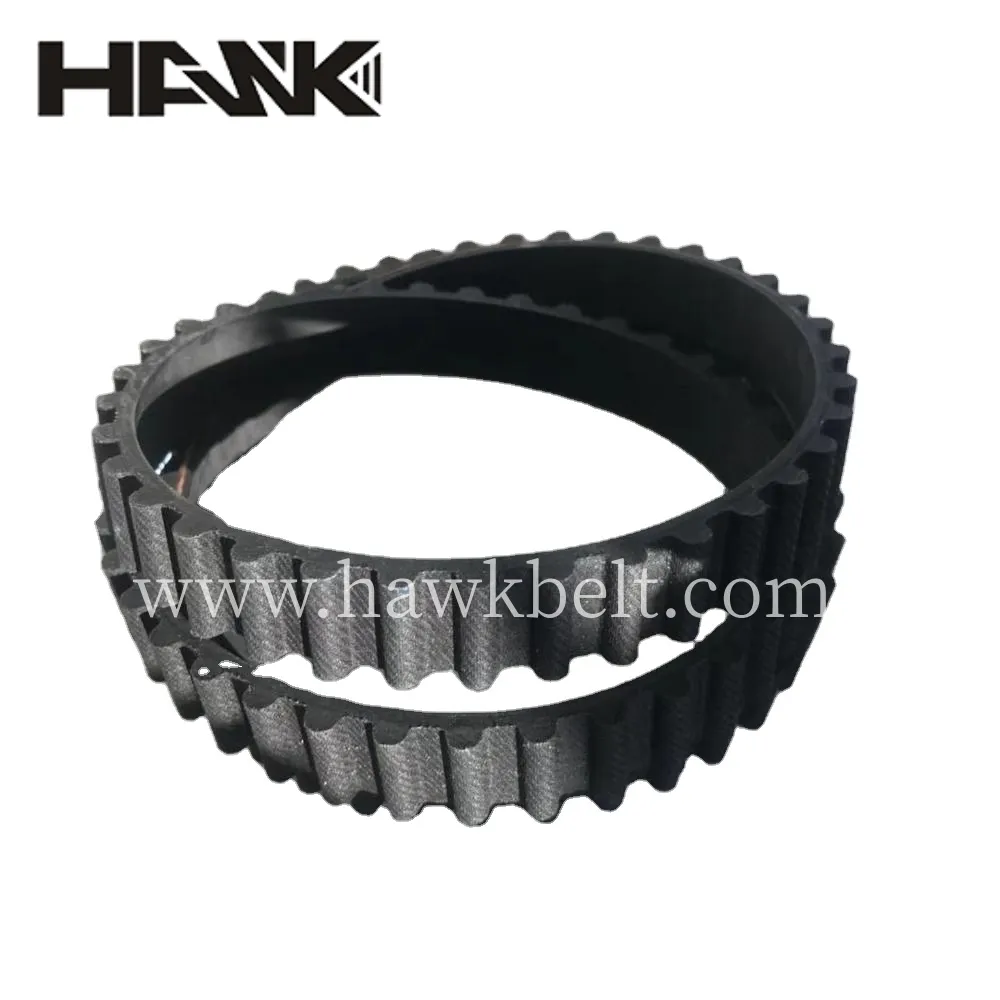
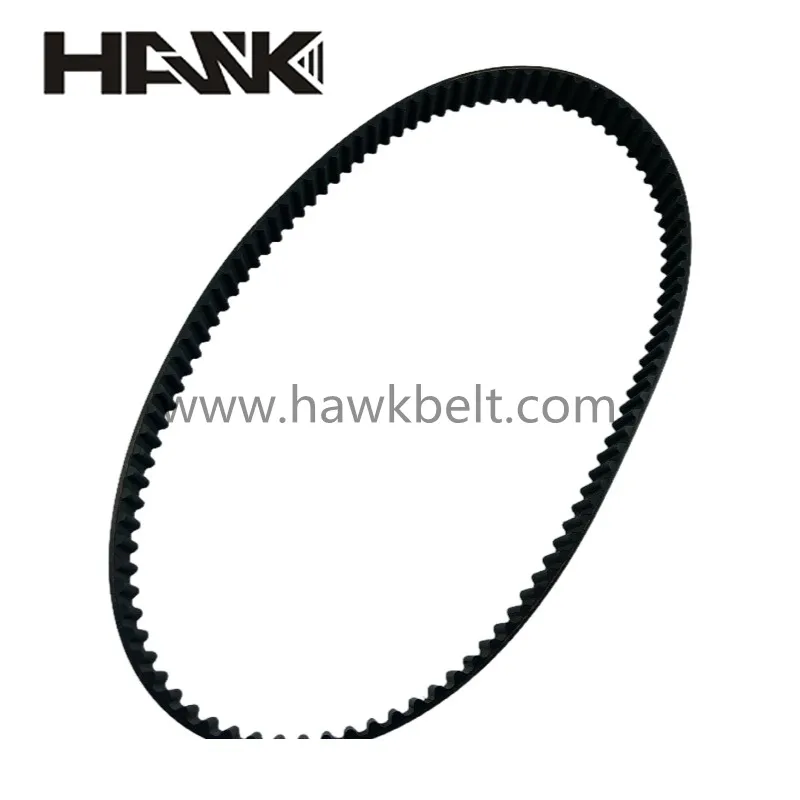
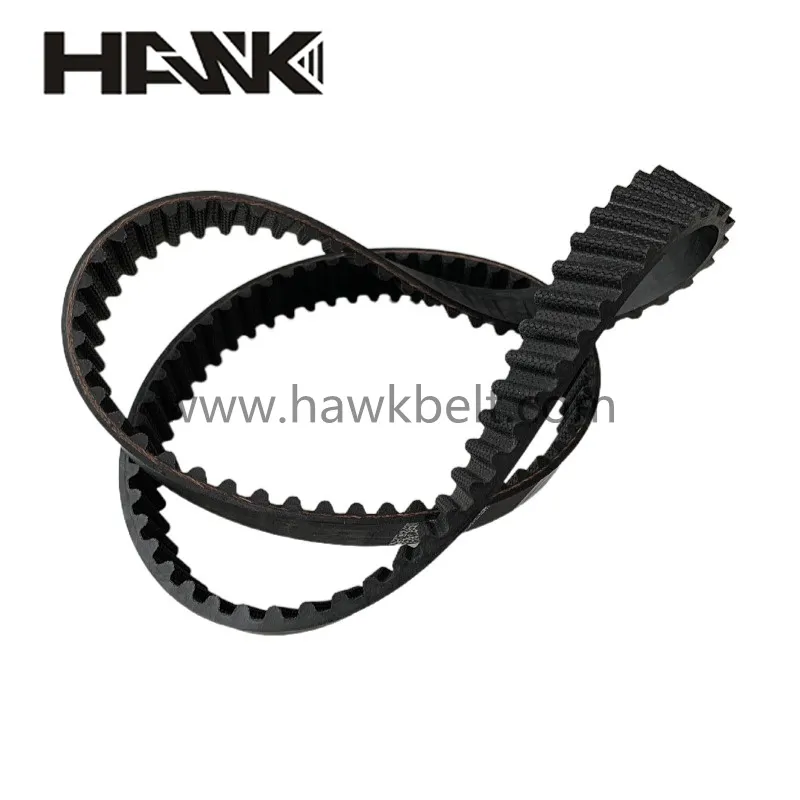
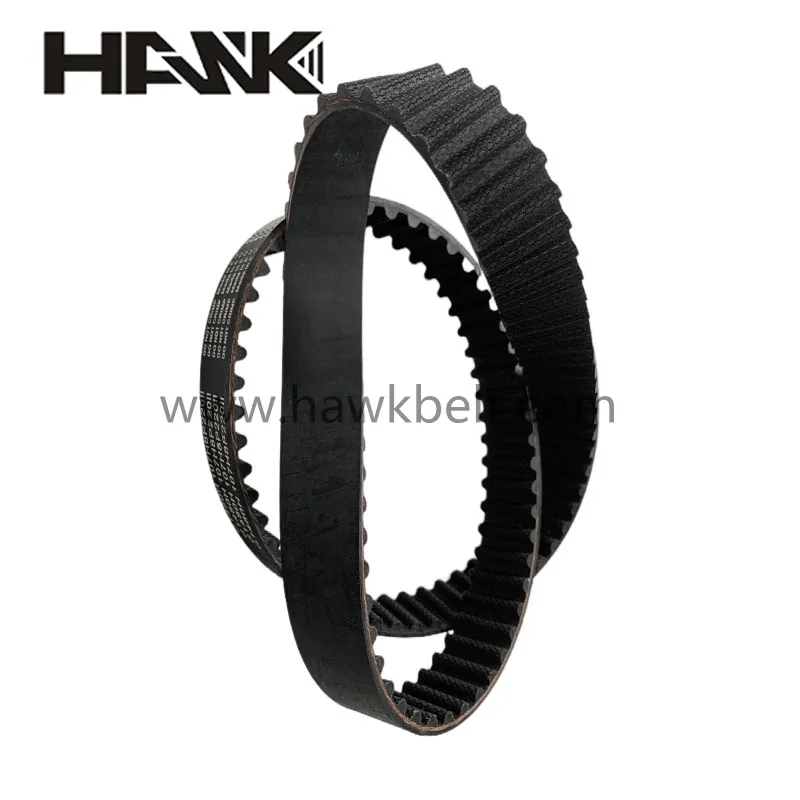
Premium Toyota Timing Belt 1356879095 1356874011 from China Factory Suppliers
High-performance Toyota timing belt OE 13568-79095 made from durable HNBR. 163 teeth, 27mm width, 0.22kg. Sourced from a leading China factory and trusted suppliers for peak engine synchronization.
SupplierXingtai Hake rubber and plastic products Co., LTDwww.hawkbelt.com
Source categories
About this product
Product information from the supplier.
Our premium Auto Timing Belts are precision-engineered to ensure the seamless synchronization of your engine's critical components. Acting as the vital bridge between the crankshaft and the camshaft, these belts maintain the perfect timing of intake, compression, explosion, and exhaust cycles, guaranteeing peak engine efficiency and operational stability for Toyota and other high-performance vehicles.
Constructed from high-grade industrial rubber, our timing belts are designed to withstand the extreme thermal and mechanical stresses of the modern combustion engine. By adhering to professional replacement cycles, you can prevent catastrophic internal valve damage and ensure the long-term reliability of your vehicle's powertrain system.
Detailed Parameters
| OEM Part Number | 13568-79095 / 13568-74011 | Belt Specification | 163S8M27 |
|---|---|---|---|
| Compatible Brand | Toyota | Material Composition | High-Performance Synthetic Rubber |
| Product Category | Timing Belt | Industry Application | Automotive Engine Systems |
| Replacement Interval | 60,000 - 100,000 KM | Recommended Change | 80,000 KM |
| Function | Crankshaft to Camshaft Synchronization | Wear Resistance | Industrial Grade |
Key Advantages
Engine Protection
Prevents severe internal valve damage by ensuring precise timing synchronization throughout the combustion cycle.
Extended Lifespan
Engineered with premium rubber compounds to resist aging and wear during long-term engine operation.
OEM Compatibility
Perfectly matches original factory specifications for Toyota vehicles, ensuring a seamless fit and installation.
High Stability
Maintains consistent tension and alignment, reducing vibration and noise within the engine compartment.
Precision Molding
Advanced tooth geometry ensures zero-slip performance, protecting the engine from timing shifts.
Strict Quality Control
Every belt undergoes rigorous testing to meet international automotive rubber standards for safety.
Product Gallery


Management Platforms
Inventory Sync
Real-time tracking of rubber belt stocks to ensure immediate delivery for urgent repairs.
Quality Audit
Systematic monitoring of rubber density and tensile strength during the production phase.
Cycle Alerts
Maintenance notification systems to track belt replacement intervals for fleet management.
Order Tracking
End-to-end visibility from the rubber factory to the final automotive distributor.
OEM Matching
Digital database for cross-referencing OEM part numbers with rubber belt specifications.
Logistics Optimization
Streamlined global shipping paths for rapid distribution of automotive rubber parts.
Investment Return Comparison
| Metric | Standard Rubber Belt | Premium Timing Belt | Broken Belt Scenario |
|---|---|---|---|
| Service Life | 60k - 80k KM | 80k - 100k KM | 0 KM (Failure) |
| Engine Risk | Medium | Very Low | Extreme (Critical) |
| Maintenance Cost | Standard | Optimized | Very High (Engine Overhaul) |
| Performance | Baseline | Enhanced Stability | Total System Stop |
| ROI Value | Moderate | High (Preventative) | Negative (Loss) |
Frequently Asked Questions
Q: Why is the timing belt replacement cycle so critical for rubber parts?
Rubber naturally degrades over time due to heat and friction. A snapped timing belt causes the pistons to hit the valves, leading to catastrophic engine failure and expensive repairs.
Q: When should I replace my Toyota timing belt?
Generally, replacement is recommended between 60,000 to 100,000 km. However, 80,000 km is the industry-standard benchmark for most rubber timing belts.
Q: What other components should be replaced along with the timing belt?
To ensure full system reliability, it is highly recommended to replace the timing belt tensioner and the water pump simultaneously.
Q: Can a timing belt be replaced if it has already broken?
Yes, but a broken belt usually means the engine has suffered internal damage. A full engine inspection and valve repair are required before installing a new belt.
Q: What is the difference between a timing belt and a timing chain?
Belts are made of reinforced rubber and offer quieter operation but require periodic replacement. Chains are metal and last longer but are more complex to install.
Q: How do I verify if the belt 163S8M27 fits my specific vehicle?
You can verify fitment by checking your vehicle's maintenance manual or matching the OEM part numbers 13568-79095 or 13568-74011.
Looking for High-Performance Rubber Timing Belts for Your Fleet?
Contact UsMore from this supplier
Xingtai Hake rubber and plastic products Co., LTD