Image not available

Plastics & rubber
13X1050LA VBelt Generator Transmission Belt China Suppliers Factory
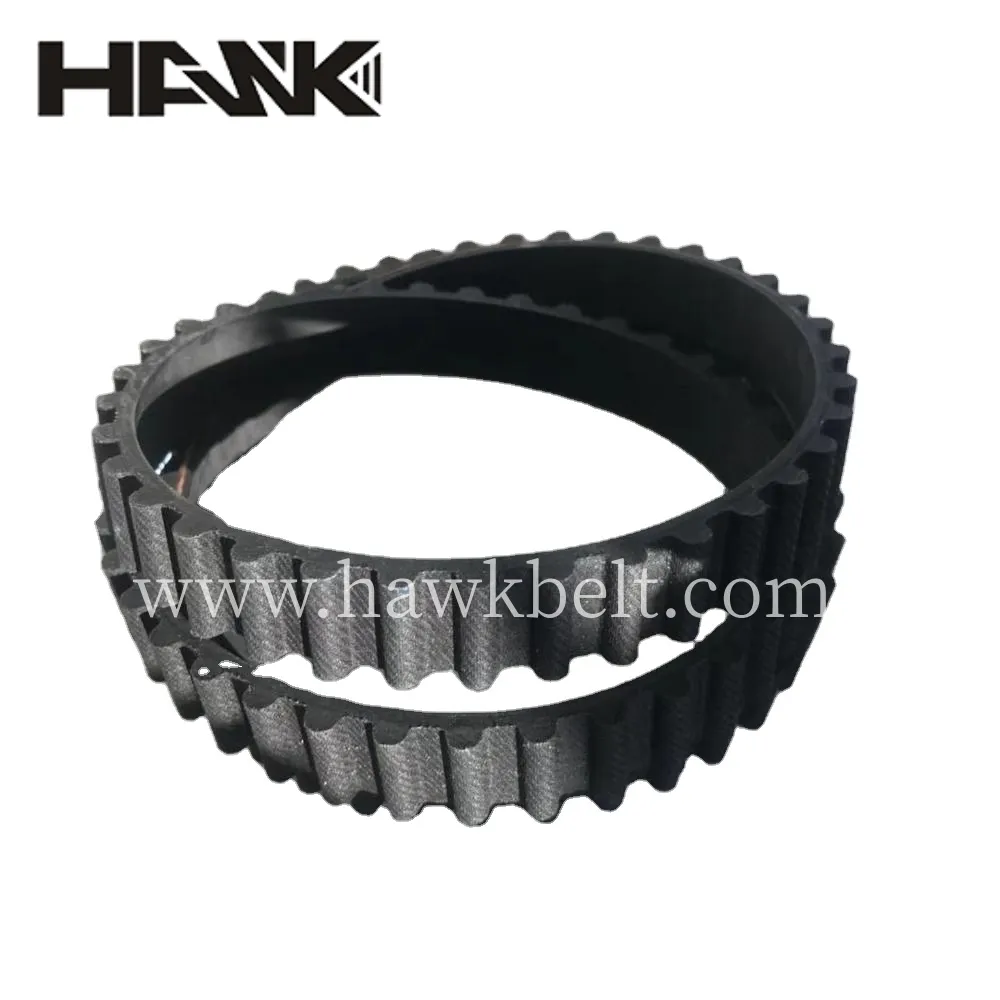
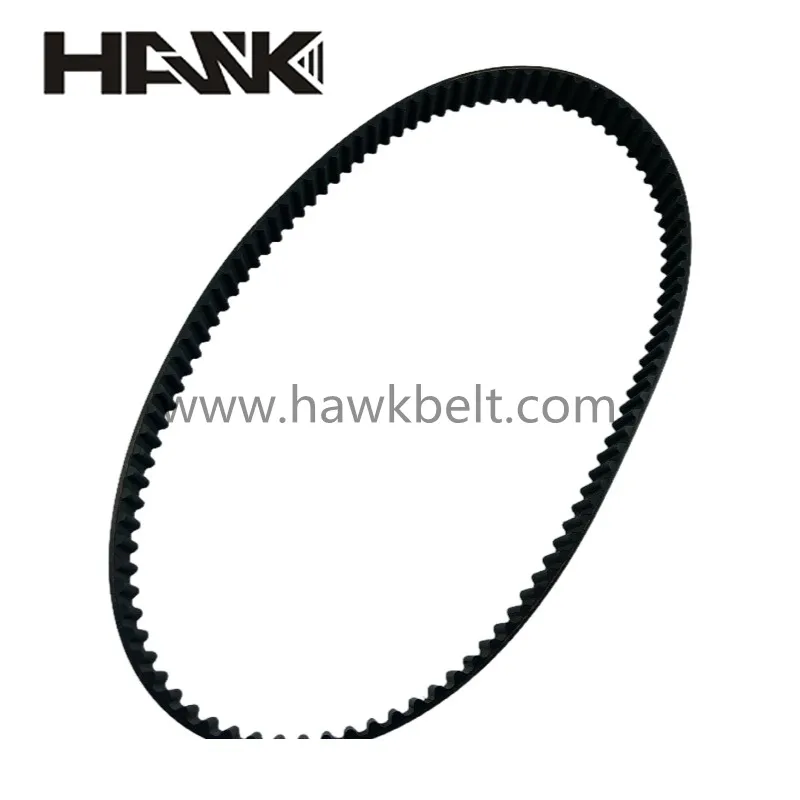
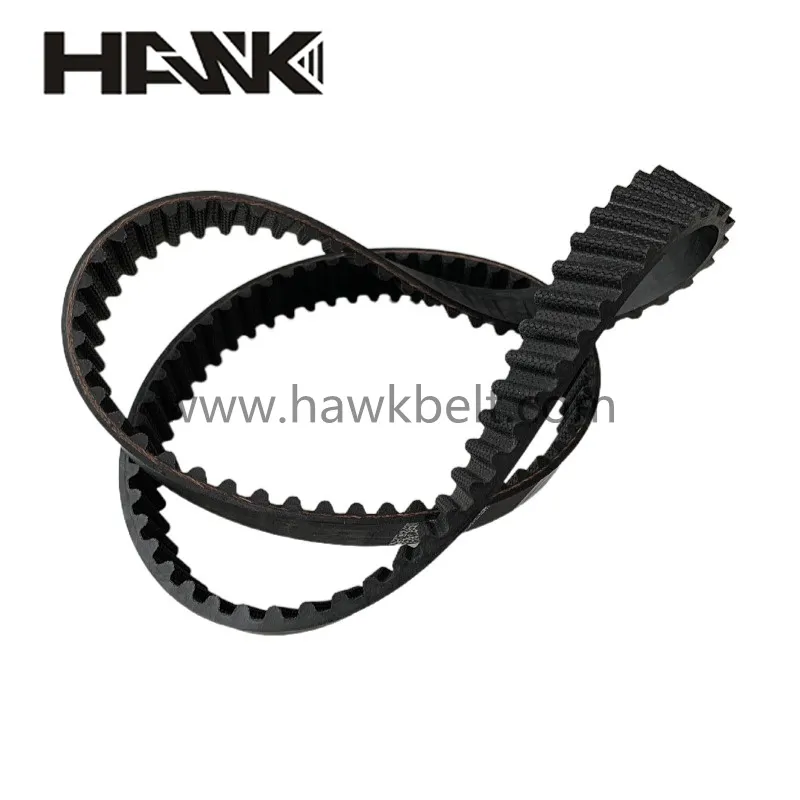
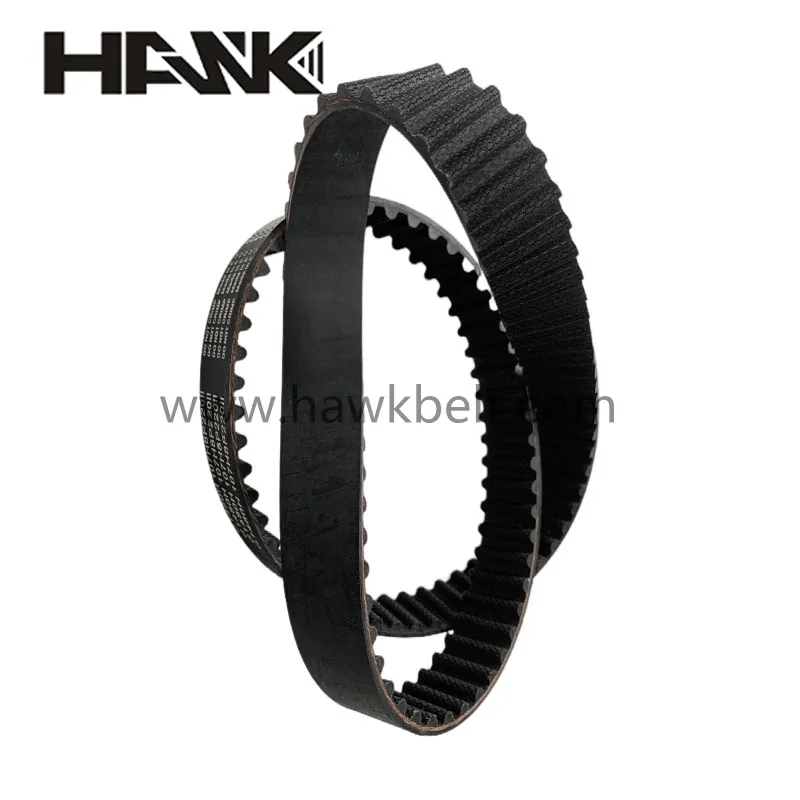
High-performance 13X1050LA V-Belt (OE:90916-02211) for Toyota, made of EPDM rubber. Length 1050mm, width 13mm, weight 0.12kg. Reliable power transmission from a leading China factory and trusted suppliers.
SupplierXingtai Hake rubber and plastic products Co., LTDwww.hawkbelt.com
Source categories
About this product
Product information from the supplier.
Our high-performance Generator Efficient 13X1050LA V-Belt is engineered for precision power transmission, specifically designed to optimize dynamo and engine performance. Utilizing advanced rubber compounding technology, this transmission belt ensures seamless energy transfer while minimizing power loss, making it an essential component for maintaining engine efficiency and longevity.
Understanding the critical balance of belt tension is key to operational success. Whether utilized in generators or automotive engines, our belts are designed to resist premature fatigue and wear. By preventing common issues such as slipping and abnormal noise, this V-Belt provides a stable drive system that protects your engine bearings and ensures consistent battery charging.
Detailed Parameters
| Product Model | 13X1050LA V-Belt | Material | High-Grade Industrial Rubber |
|---|---|---|---|
| Application | Generator/Dynamo Transmission | Belt Type | V-Belt / Transmission Belt |
| Core Feature | Efficient Power Transfer | Replacement Cycle | 2 Years / 60,000 KM |
| Wear Resistance | High-Density Anti-Peeling | Load Capacity | Radial Load Optimized |
| Heat Resistance | Industrial Grade Thermal Stability | Compatibility | Multi-Engine Systems |
Key Advantages
Bearing Protection
Optimized tension control prevents excessive radial load on motor shafts, effectively extending the life of engine bearings.
Extended Durability
Engineered to resist aging and hardening, ensuring stable performance up to 60,000km of rigorous operation.
Noise Reduction
Precision fit eliminates slipping and abnormal grinding noises for a smoother, quieter engine operation.
Charging Stability
Ensures maximum torque delivery to the alternator, maintaining optimal battery charging and electrical health.
Easy Inspection
Clear wear patterns allow for easy visual checks of cracks or peeling before critical failure occurs.
Fuel Efficiency
Reduces internal friction and prevents power loss, contributing to lower fuel consumption and higher output.
Product Gallery

Management Platforms
Quality Control
Strict inspection of rubber density to prevent premature cracking and peeling.
Tension Optimization
Technical guidance to prevent both over-tightening and excessive slack.
Preventive Maintenance
Scheduled replacement alerts based on the 2-year/60,000km industry standard.
Risk Management
Mitigating the danger of instant power loss on highways through proactive checks.
Inventory Systems
Ready stock of Timing Belts, V-Belts, and PK Belts for immediate replacement.
Application Analysis
Customized selection for Excavator, Motorcycle, and Industrial Generator needs.
Investment Return Comparison
| Metric | Standard Rubber Belt | Premium 13X1050LA Belt | Business Impact |
|---|---|---|---|
| Service Life | 12-18 Months | 24+ Months | Reduced Downtime |
| Power Loss | Moderate (Slippage) | Minimal (High Grip) | Higher Efficiency |
| Bearing Wear | Accelerated | Protected | Lower Repair Cost |
| Maintenance | Frequent Adjustment | Stable Performance | Less Labor Cost |
| Safety Risk | High Failure Rate | Ultra-Low Risk | Operational Safety |
Frequently Asked Questions
Q: How can I tell if my rubber transmission belt is too tight?
Too tight belts often lead to increased horsepower requirements for rotation and create a heavy radial load on the motor shaft, which can cause fatigue and damage engine bearings.
Q: What are the symptoms of a belt that is too loose?
Loose belts typically cause slipping, abnormal noises, insufficient battery charging, engine jitter, and increased fuel consumption.
Q: When is the ideal time to replace a rubber V-belt?
It is recommended to replace the belt every 2 years or every 60,000 kilometers, whichever comes first, to avoid dangerous breakages during operation.
Q: What causes cracking and peeling in rubber belts?
This is usually caused by incorrect installation, uneven force distribution, environmental corrosion, or natural aging and hardening of the rubber material.
Q: What happens if the engine belt breaks while driving?
A broken belt can cause an instant loss of power, which is extremely dangerous, especially at high speeds on highways, potentially leading to traffic accidents.
Q: Which parts of the rubber drive system should I inspect regularly?
You should regularly check the main engine belt, water pump belt, air conditioning compressor belt, and timing belts to ensure all are in good working condition.
Upgrade Your Power Transmission Efficiency Today!
Contact UsMore from this supplier
Xingtai Hake rubber and plastic products Co., LTD