Image not available

Plastics & rubber
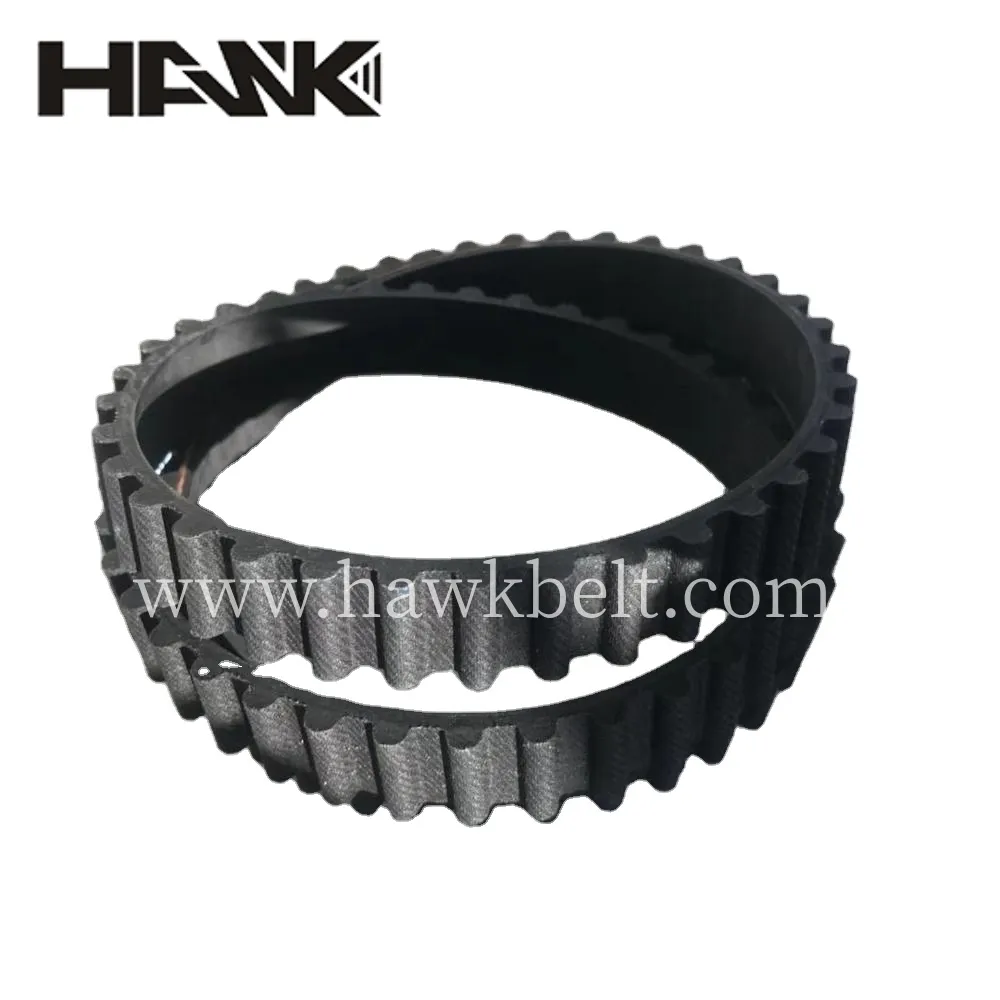
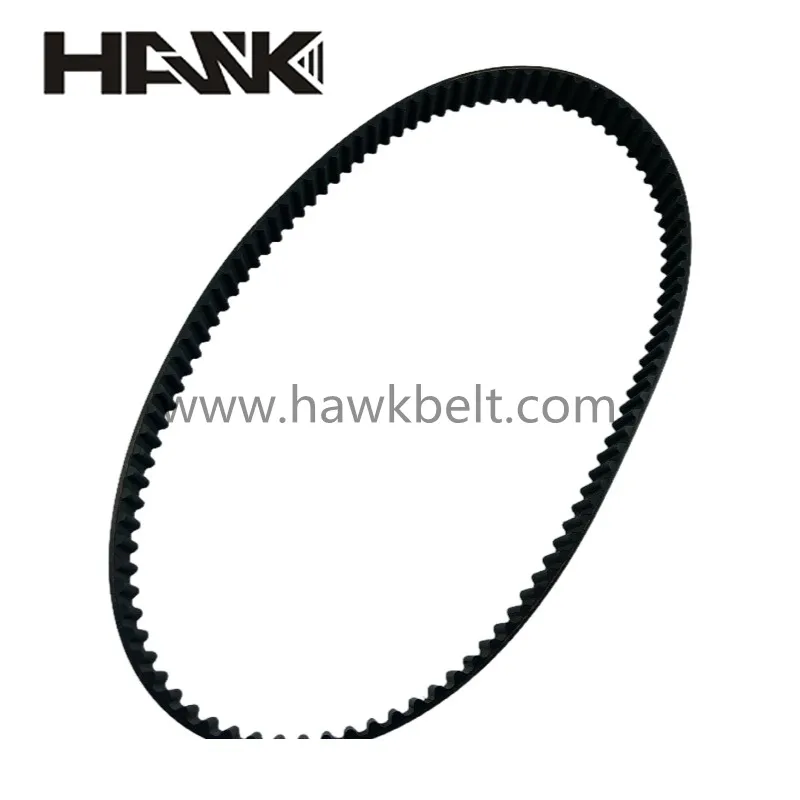
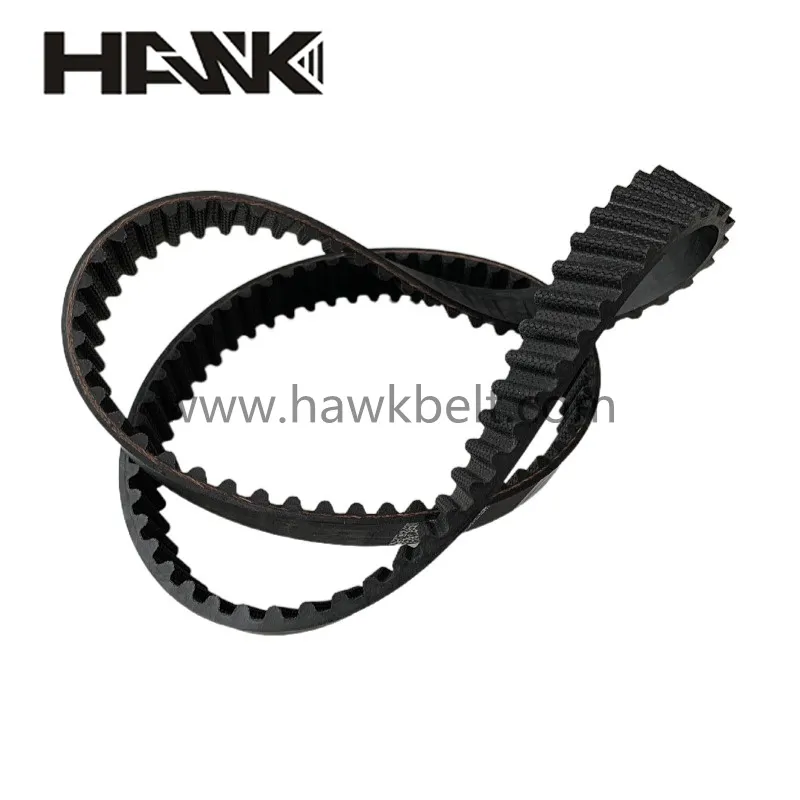
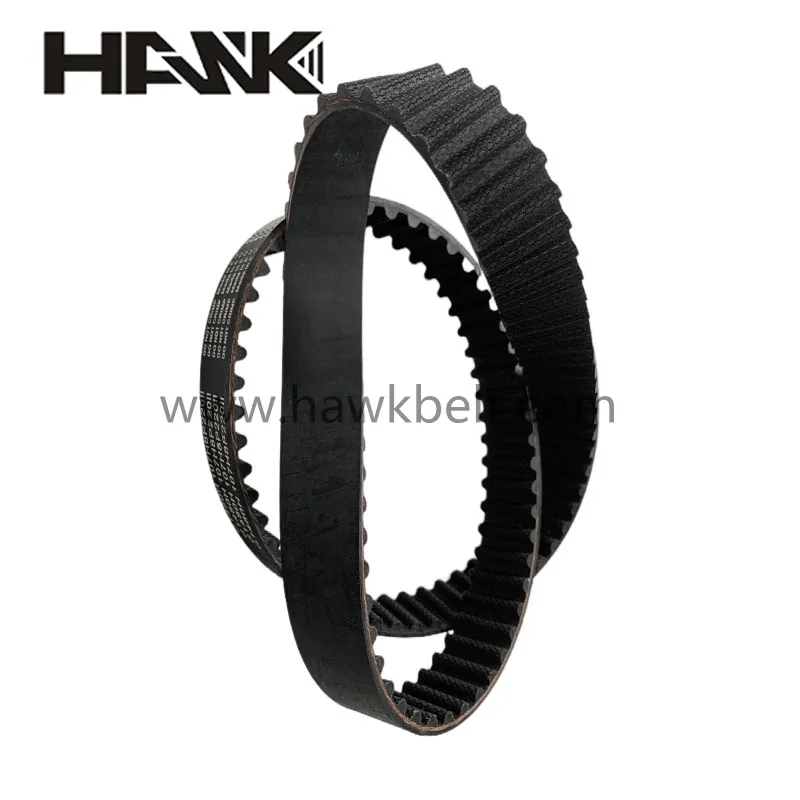
Auto Timing Belt 1145a019 154RU25.4 China Factory Suppliers
Premium 1145A019 timing belt for Toyota models, featuring HNBR material, 154 teeth, 25.4mm width, and 0.21kg weight. Sourced from professional China factory suppliers for maximum engine reliability.
SupplierXingtai Hake rubber and plastic products Co., LTDwww.hawkbelt.com
Source categories
About this product
Product information from the supplier.
The Auto Timing Belt (1145a019 / 154RU25.4) is a precision-engineered rubber component designed to synchronize the critical motion of your automotive engine. By acting as the vital "bridge" between the crankshaft and the camshaft, it ensures that air intake, compression, explosion, and exhaust processes occur in perfect coordination with the piston's position, maintaining optimal engine performance and stability.
Given the high-stress environment of modern engines, our timing belts are manufactured from high-grade reinforced rubber to resist wear and aging. Because a timing belt failure can lead to severe internal valve damage, we provide professional-grade replacements that adhere to strict manufacturer standards, ensuring your vehicle remains reliable over long-term operation and high-mileage journeys.
Detailed Parameters
| Product Model | 1145a019 / 154RU25.4 | Product Category | Auto Timing Belt |
|---|---|---|---|
| Material | High-Strength Reinforced Rubber | Application | Automotive Internal Combustion Engines |
| Core Function | Crankshaft-to-Camshaft Synchronization | Wear Resistance | Industrial Grade |
| Replacement Cycle | 60,000 - 100,000 km | Recommended Interval | 80,000 km |
| Compatibility | Standard High-Quality Auto Engines | Associated Parts | Tensioners & Water Pumps |
Key Advantages
Engine Protection
Prevents catastrophic valve damage by maintaining precise timing and structural integrity.
Extended Durability
Engineered to withstand continuous heat and friction across 80,000+ kilometers.
High Precision
Ensures the intake and exhaust valves operate in perfect harmony with the piston lift.
Seamless Fit
Strictly follows OEM specifications for 1145a019 and 154RU25.4 models.
Consistent Tension
Optimized elasticity to work effectively with timing belt tensioners and water pumps.
Quality Assured
Rigorous testing to ensure stability and reliability under extreme operating conditions.
Product Gallery

Management Platforms
Inventory Tracking
Real-time monitoring of belt stock levels to ensure timely replacements.
Cycle Management
Automated alerts based on vehicle mileage (80,000km) for preventative maintenance.
Quality Alerts
Instant notifications regarding rubber aging and material wear indicators.
Logistics Sync
Optimized delivery schedules for timing belt kits including tensioners.
Parts Compatibility
Database verification for 1145a019 and 154RU25.4 across multiple car models.
Performance Analytics
Analyzing the lifespan of rubber components to improve future designs.
Investment Return Comparison
| Maintenance Strategy | Initial Cost | Long-term Risk/Cost |
|---|---|---|
| Regular Replacement (80k km) | Low/Moderate | Very Low (Prevents Engine Failure) |
| Delayed Replacement | Low (Temporary) | Extremely High (Complete Engine Overhaul) |
| Using Low-Grade Belts | Very Low | High (Frequent Failures & Down-time) |
| Using Professional Belts | Moderate | Lowest (Maximum Engine Lifespan) |
| Wait for Breakage | Zero | Catastrophic (Total Valve Destruction) |
Frequently Asked Questions
Q: When should I replace my auto timing belt?
Generally, timing belts should be replaced every 60,000 to 100,000 kilometers. We highly recommend replacement at the 80,000 km mark to prevent sudden breakage.
Q: What happens if the timing belt breaks while driving?
A broken timing belt disrupts the coordination between the piston and valves, often leading to severe internal engine damage and expensive repairs.
Q: Should I replace the water pump and tensioner with the belt?
Yes. Because these components are driven by the timing belt and share the same wear cycle, replacing them together ensures system stability.
Q: Why use rubber belts instead of metal chains?
Rubber belts offer quieter operation and lower initial costs, though they require periodic replacement unlike permanent metal chains.
Q: How do I know if my timing belt is wearing out?
Look for visible cracks, fraying edges, or unusual engine noise. However, since they are often hidden, sticking to the mileage schedule is the safest method.
Q: Are the 1145a019 and 154RU25.4 specifications universal?
These are specific industry part numbers. Please check your vehicle maintenance manual to ensure compatibility with your specific engine model.
Need Professional Timing Belt Solutions for Your Fleet?
Contact UsMore from this supplier
Xingtai Hake rubber and plastic products Co., LTD