Image not available
Medical & life sciences
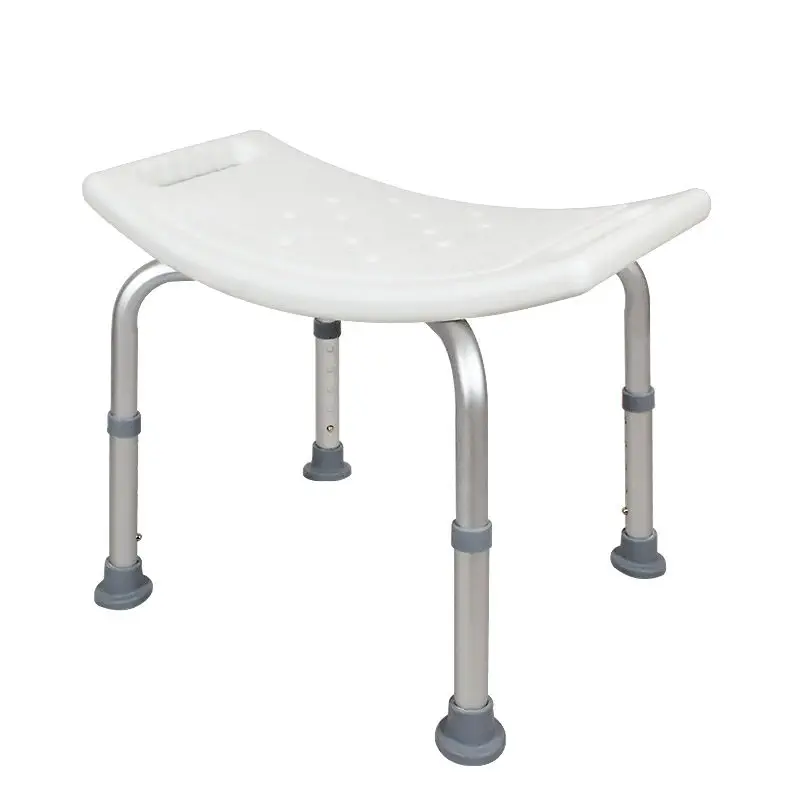
Zf-pc214 Curved Aluminum Alloy Shower Chair For Pregnant Women And The Elderly, Bathing Stool, Toilet Stool
Description:1. Size: 31x51x38-53.5 cm2. Adjustable height: Six-speed adjustment3. Material: Aluminum alloy with PE blown plate4. Usage: Shower for the elderly/pregnant women/children5. Load-bearing capacity: 150kg6. Adjustable bathtub and shower seat helps provide greater comfort, safety, and independence when bathing.7. The non-slip shower seat adopts an arc design, which is comfortable and better balanced.8. The a…
SupplierHEBEI ZHAOFA TECHNOLOGY CO., LTD.www.zfmedicare.com
Source categories
About this product
Product information from the supplier.
Specifications and packaging:
Package weight |
|
Shower Chair Without Back vs. With Back: Which Is Better for Your Bathroom?
Choosing between a shower chair without back and a shower chair with back depends largely on the user's mobility, bathroom space, and level of support required. A backless design provides a more open seating area and can be easier to position inside compact shower enclosures. For users who can maintain an upright sitting position independently but prefer additional stability while bathing, a shower chair no back can provide a practical balance between support and freedom of movement.
The ZF-PC214 from Hebei Zhaofa Technology Co., LTD uses a compact curved seat design rather than a bulky backrest. Its overall structure measures approximately 31 × 51 cm, while the seat height can be adjusted from 38 to 53.5 cm through six settings. This makes it adaptable to different users and bathroom configurations.
Another advantage of a shower bench without back is accessibility from different directions. Users and caregivers are not restricted by a rear structure when washing, repositioning, or transferring around the seat.
However, backless shower chairs are not appropriate for every user. People who cannot maintain stable seated posture or who require substantial upper-body support may need a chair with a backrest, armrests, or additional assistance.
For buyers comparing different bathing aids, the key is therefore not simply whether a backrest is present. Consider the user's balance, available shower space, required seat height, weight capacity, and level of assistance before selecting the appropriate configuration.
Why Choose a Backless Shower Chair for a Small Bathroom or Shower?
Limited bathroom space is one of the most practical reasons buyers search for a shower chair without back. Traditional shower chairs with large backrests and arm structures may require additional clearance, while a backless seat can offer a simpler footprint and easier positioning.
The ZF-PC214 is designed around this compact approach. Instead of adding unnecessary upper structures, Hebei Zhaofa Technology Co., LTD uses a curved PE blow-molded seat supported by an aluminum-alloy frame. The product measures approximately 31 × 51 cm, making it worth considering for bathrooms where efficient use of shower space is important.
A compact shower bench without back can also be easier to reposition when the bathroom is shared. It can serve as a temporary bathing seat when required and be moved away when another household member wants more shower space. At 3 kg, the ZF-PC214 is designed to remain relatively manageable for repositioning while still providing a rated load capacity of up to 150 kg.
Bathroom dimensions should always be checked before choosing any shower chair. Measure the usable shower-floor area rather than only the overall bathroom dimensions, and consider shower doors, faucets, drainage areas and other fixtures.
For distributors, rehabilitation-equipment suppliers and home-care product buyers, compact backless models can therefore complement larger shower chairs in a broader bathing-aid product range, giving customers another option when bathroom space and straightforward functionality are purchasing priorities.
Is a Shower Chair Without Back Safe for Seniors?
A shower chair without back can be suitable for some seniors, but the correct choice depends on the user's balance, strength and ability to remain seated without continuous back support. Shower chairs are commonly used to provide seated support for people who cannot comfortably stand for long periods while bathing, and non-slip leg contact with the shower floor is an important part of stable positioning.
The ZF-PC214 combines four height-adjustable aluminum-alloy legs with rubber feet and a curved PE seat. Its six-level height adjustment ranges from 38 to 53.5 cm, allowing the seating position to be adapted to different users and shower environments. The specified maximum load capacity is 150 kg.
The absence of a backrest also means that buyers should carefully assess the intended user. A relatively independent senior who can sit upright may prefer the accessibility and compact dimensions of a shower chair no back. In contrast, someone who requires substantial trunk support may be better served by a shower chair with a backrest, armrests or additional caregiver assistance.
Before use, the chair should be positioned on a stable shower surface, all four feet should make secure contact with the floor, and the height-adjustment points should be correctly locked. Users should also confirm that the product dimensions are appropriate for their shower or bathtub area.
For professional buyers, offering both backless and supported shower-chair configurations helps address different mobility requirements instead of treating one design as suitable for every senior.
How to Choose the Right Height for a Shower Chair Without Back
Seat height is an important but sometimes overlooked factor when selecting a shower chair without back. A seat that is too low may make sitting down and standing up more difficult, while excessive height can prevent the user's feet from resting securely on the floor.
For this reason, adjustable designs can offer greater flexibility than a fixed-height shower bench without back.
The ZF-PC214 from Hebei Zhaofa provides six height settings across a 38–53.5 cm range. This allows buyers or caregivers to adapt the chair according to the user's body proportions and the shower environment instead of relying on a single predetermined seat height.
As a general setup principle, the user should be able to sit comfortably with their feet supported and without feeling that they need to slide forward to reach the floor. Standing and sitting should also be manageable without unnecessary strain. Individual mobility requirements vary, so users who have significant mobility limitations should follow advice from an appropriate healthcare professional.
Adjustability can be particularly valuable for distributors and institutional buyers because one model may need to accommodate different end users. It can also be useful when the same shower chair no back is used in changing home-care or rehabilitation environments.
Before use, always check that each adjustable leg is set correctly and securely locked. The objective is not simply to achieve maximum or minimum height but to establish a stable and comfortable seating position appropriate for the individual user.
What Features Should You Look for in a Shower Bench Without Back?
When comparing a shower bench without back, buyers should look beyond price. Because the product will be repeatedly exposed to water and used as a seated support, material selection, stability, adjustability, dimensions and maintenance all deserve consideration.
First, consider the frame. Aluminum alloy is particularly practical for wet environments because it combines relatively low weight with corrosion resistance. The ZF-PC214 uses an aluminum-alloy support structure together with a PE blow-molded seat.
Second, check height adjustment. A fixed seat may work for one user but be uncomfortable for another. The ZF-PC214 provides six height positions between 38 and 53.5 cm, allowing greater flexibility for different users and bathroom layouts.
Third, evaluate floor contact. Rubber feet can improve grip between the legs and the shower surface, while all four legs should remain properly positioned before use.
Fourth, compare the load rating with the intended application. The ZF-PC214 has a specified load-bearing capacity of 150 kg. Buyers should never assume that visually similar shower chairs have identical capacities.
Finally, consider size, cleaning and handling. A shower chair without back is often selected because buyers want a less bulky bathing aid. The ZF-PC214 weighs approximately 3 kg and uses a curved PE seating surface designed for wet environments.
For importers, distributors and medical-equipment wholesalers, these specifications also provide useful comparison points when evaluating different shower-chair models for a product portfolio.
Why Are Aluminum Shower Chairs Popular for Home Care and Rehabilitation?
Material selection matters when a shower chair is used regularly in a wet bathroom environment. This is one reason aluminum frames are widely used across modern bathing aids and shower chair without back designs.
Aluminum offers a useful combination of corrosion resistance, structural performance and relatively low product weight. Compared with a heavy bathing seat, a lightweight aluminum design can also be more convenient when caregivers or household members need to reposition the chair.
The ZF-PC214 manufactured by Hebei Zhaofa combines an aluminum-alloy frame with a PE blow-molded seating surface. The complete chair weighs approximately 3 kg while providing a specified maximum load capacity of 150 kg. Its rubber-tipped legs are designed for contact with wet bathroom floors, while six-level height adjustment allows the seat to be configured between 38 and 53.5 cm.
The PE seat also makes sense for bathing applications because it is designed for exposure to water and provides a surface that can be cleaned more easily than absorbent materials.
These characteristics make aluminum-and-PE construction relevant not only for household buyers but also for medical-equipment distributors, rehabilitation suppliers, elderly-care product wholesalers and home-care equipment businesses.
When sourcing a shower bench without back, buyers should still compare the complete design rather than choosing solely by frame material. Weight capacity, leg construction, seat dimensions, height range, packaging, quality control and intended user group all contribute to the suitability of the finished product.
More from this supplier
HEBEI ZHAOFA TECHNOLOGY CO., LTD.