Image not available
Medical & life sciences
Caprylyl Capryl Glucoside CAS 68515731 Factory Suppliers in China
Looking for high-purity Caprylyl Capryl Glucoside? As leading China suppliers and a professional factory, we provide this mild, biodegradable non-ionic surfactant ideal for sulfate-free personal care and sensitive skin formulations.
SupplierHebei Hejia Pharmaceutical Technology Group Co., Ltd.www.hejiachemgroup.com
Source categories
About this product
Product information from the supplier.
Caprylyl/Capryl Glucoside (CAS No.: 68515-73-1) is a premium non-ionic surfactant belonging to the Alkyl Polyglucoside (APG) family. Synthesized from renewable glucose and fatty alcohols (C8–C10 chain), it provides a sustainable, biodegradable alternative to synthetic surfactants. This high-purity agent is completely free from sulfates, PEGs, and irritants, making it a cornerstone for clean-label and organic formulation standards.
Engineered for exceptional dermatological compatibility, Caprylyl/Capryl Glucoside is highly valued for its ability to deliver effective cleansing without compromising the skin's natural barrier. Its versatile chemical nature allows it to function as both a primary mild surfactant and an efficient solubilizer, ensuring stability and a luxurious texture in high-end cosmetic and personal care applications.
Detailed Parameters
| Chemical Name | Caprylyl/Capryl Glucoside | CAS Number | 68515-73-1 |
|---|---|---|---|
| Chemical Family | Alkyl Polyglucoside (APG) | Origin | Renewable / Plant-based |
| Chain Length | C8–C10 Fatty Alcohols | Function | Surfactant / Solubilizer |
| Compatibility | Sulfate-free, PEG-free | Recommended Dosage | 1% to 10% |
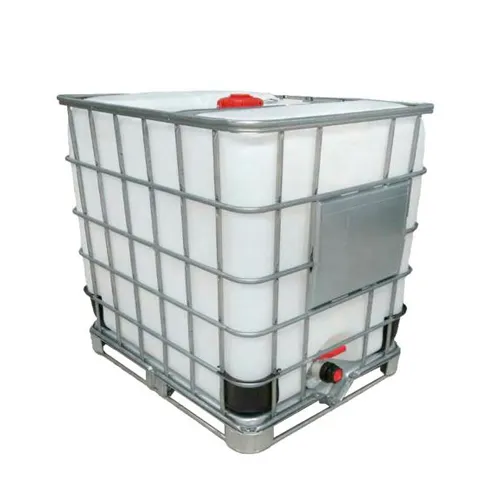
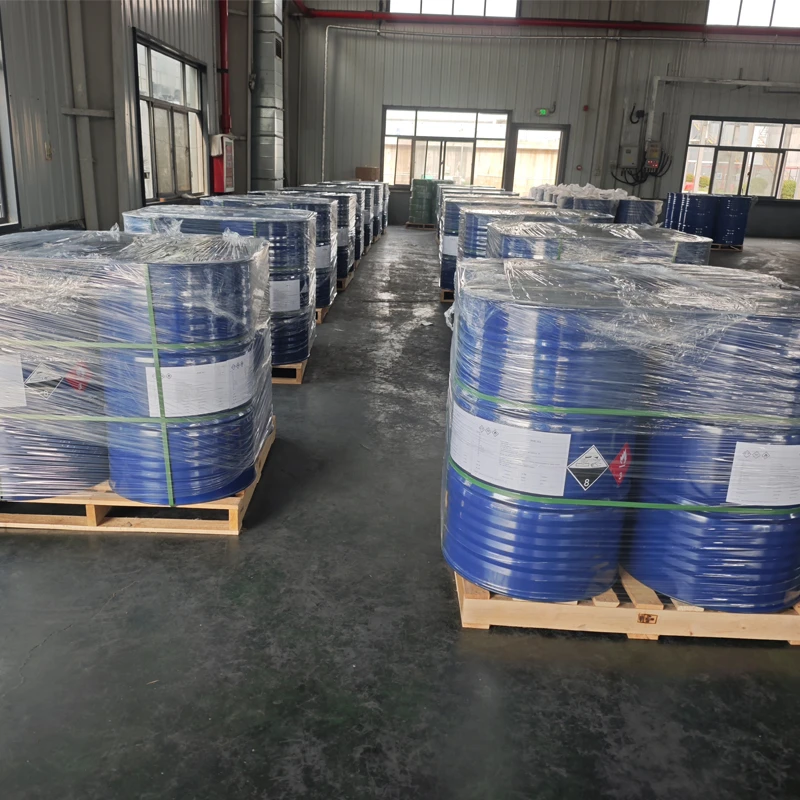
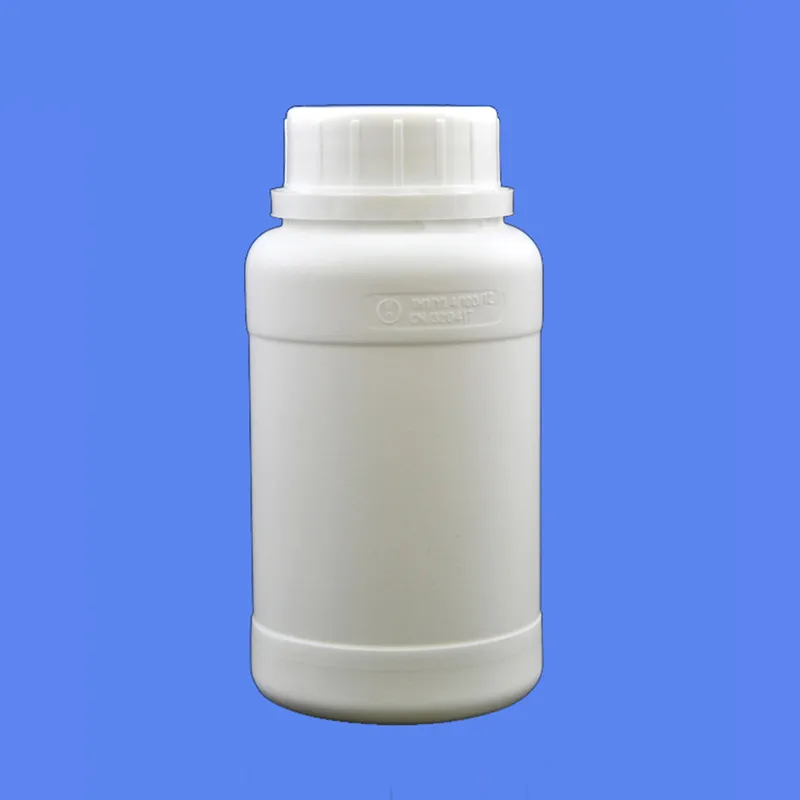
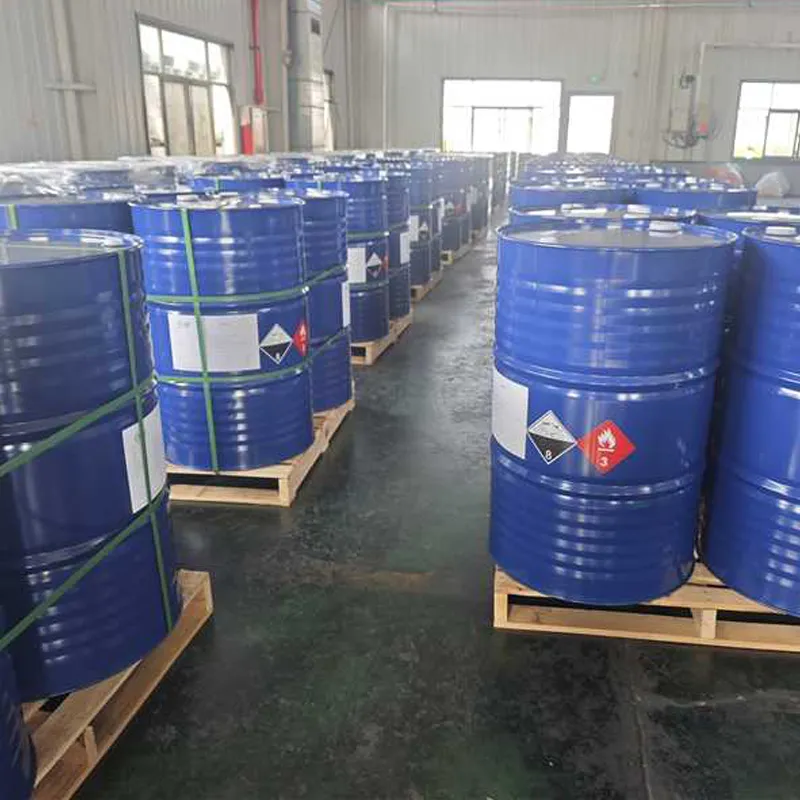
| Packaging Options | 25kg Drum / 200kg HDPE / 1000kg IBC | Storage Condition | Cool, Dry, Sealed |
Key Advantages
Ultra-Mild Profile
Minimizes skin irritation, making it ideal for sensitive or allergy-prone skin types.
Renewable Source
Derived from glucose and plant-based fatty alcohols for a sustainable footprint.
Clean Label Grade
Free from sulfates and PEGs, meeting the strictest organic certification requirements.
Versatile Solubilizer
Efficiently incorporates essential oils and active ingredients into aqueous phases.
Superior Texture
Improves the overall sensory feel and foam quality of cleansing formulations.
Broad Compatibility
Works seamlessly with a wide range of other surfactants and active cosmetic agents.
Product Gallery
Management Platforms
Bulk Supply Chain
Scalable delivery options from 25kg drums to 1000kg IBC containers for industrial needs.
Quality Assurance
Strict adherence to chemical purity standards for pharmaceutical and cosmetic grade reagents.
Regulatory Support
Comprehensive documentation ensuring compliance with international transport and safety laws.
Formulation Guide
Expert technical support for integrating APGs into water or final-stage phases.
Custom Packaging
Tailored packaging solutions available upon request for specialized industrial applications.
Global Logistics
Optimized distribution networks ensuring timely delivery of chemical raw materials worldwide.
Investment Return Comparison
| Performance Metric | Traditional Sulfates | Caprylyl Glucoside |
|---|---|---|
| Skin Irritation | High / Potentially Harsh | Ultra-Low / Mild |
| Biodegradability | Moderate | Excellent / Rapid |
| Market Appeal | Standard | Premium / Organic / Clean Label |
| Formulation Stability | Stable | High Stability / Synergistic |
| Environmental Impact | Higher Chemical Load | Eco-friendly / Renewable |
Frequently Asked Questions
Q: What are the primary benefits of using Caprylyl/Capryl Glucoside in skincare?
It offers an exceptionally mild cleansing action that preserves the skin barrier, making it ideal for sensitive skin, while being fully biodegradable and derived from renewable sources.
Q: Can this surfactant be used in organic-certified products?
Yes, as it is synthesized from glucose and fatty alcohols and is free from PEGs and sulfates, it is highly suitable for natural and organic cosmetic lines.
Q: How should Caprylyl/Capryl Glucoside be incorporated into a formula?
It can be added during the water phase or at the final stage of formulation, depending on whether it is acting as a primary cleanser or a solubilizer.
Q: What is the typical recommended concentration for personal care products?
The typical usage level ranges from 1% to 10%, depending on the specific product type and the desired level of performance or mildness.
Q: Is Caprylyl/Capryl Glucoside compatible with other surfactants?
Yes, it is compatible with a wide range of anionic, cationic, and non-ionic surfactants, often helping to reduce the overall irritation potential of the blend.
Q: What are the storage requirements to ensure product stability?
It should be stored in a tightly sealed container in a cool, dry environment, away from direct sunlight and moisture to maintain its chemical stability.
Ready to Elevate Your Formulation with High-Purity APGs?
Contact UsMore from this supplier
Hebei Hejia Pharmaceutical Technology Group Co., Ltd.