Image not available
Medical & life sciences
AE Active Ester CAS 53556751 China Suppliers and Factory for Peptide Synthesis
Looking for a reliable AE Active Ester factory in China? Our professional suppliers provide high-purity CAS 53556-75-1 for efficient peptide synthesis and pharmaceutical manufacturing under mild conditions.
SupplierHebei Hejia Pharmaceutical Technology Group Co., Ltd.www.hejiachemgroup.com
Source categories
About this product
Product information from the supplier.
AE Active Ester (CAS No.: 53556-75-1) is a high-performance chemical reagent specifically engineered for modern peptide synthesis. By offering exceptional reactivity toward amino groups, it facilitates the creation of stable peptide bonds while minimizing undesirable side reactions, making it an indispensable tool for producing therapeutic peptides, protein conjugates, and complex modified biomolecules.
Designed for versatility in both solid-phase and solution-phase procedures, this active ester is highly valued in pharmaceutical chemistry for its operational simplicity. It operates efficiently under ambient temperatures and neutral to slightly basic conditions, ensuring that delicate molecular structures remain intact while significantly reducing reaction times and increasing overall yields in both R&D and large-scale industrial production.
Detailed Parameters
| Product Name | AE Active Ester | CAS Number | 53556-75-1 |
|---|---|---|---|
| Application Area | Peptide Synthesis | Chemical Category | Active Esters / Reagents |
| Solubility | DMF, DCM, Acetonitrile | Reaction Conditions | Room Temperature |
| pH Compatibility | Neutral to Slightly Basic | Target Groups | Amino Groups |
| Storage Requirement | Cool, Dry, Light-protected | Primary Use | API Intermediates |
Key Advantages
High Selectivity
Ensures stable peptide bond formation with minimal side reactions, preserving the purity of complex biomolecules.
Rapid Reaction
Significantly reduces synthesis time and enhances yield, optimizing productivity in large-scale manufacturing.
Mild Conditions
Works at room temperature without harsh reagents, protecting the integrity of sensitive pharmaceutical substrates.
Excellent Solubility
Fully soluble in DCM, DMF, and acetonitrile, providing flexibility across various organic reaction systems.
High Purity Output
Ideal for the production of high-purity APIs and pharmaceutical intermediates in drug discovery processes.
Operational Ease
Simplified handling and compatibility with both solid-phase and solution-phase synthesis protocols.
Product Gallery
Management Platforms
Quality Control
Strict purity testing and batch consistency monitoring to ensure pharmaceutical grade standards.
Supply Chain
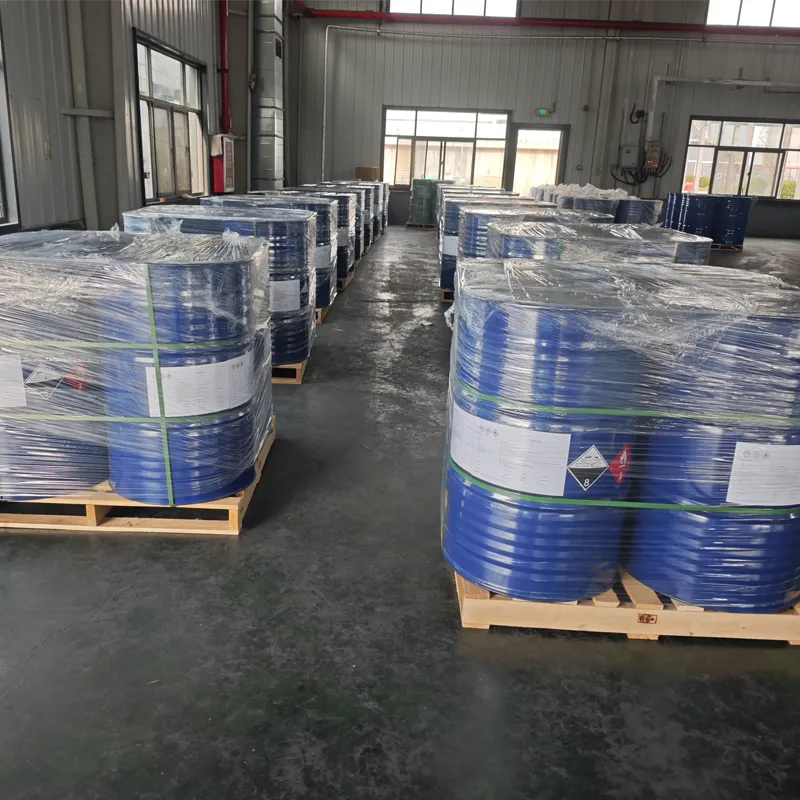
Optimized logistics for chemical reagents ensuring timely delivery and stability during transit.
Regulatory Compliance
Full adherence to international safety data sheets (SDS) and chemical manufacturing regulations.
R&D Support
Expert technical guidance for integrating active esters into your specific peptide synthesis workflow.
Inventory Management
Climate-controlled warehousing to preserve the reactivity and shelf-life of sensitive active esters.
Custom Synthesis
Ability to scale production from laboratory research quantities to commercial industrial volumes.
Investment Return Comparison
| Metric | Standard Reagents | AE Active Ester |
|---|---|---|
| Reaction Time | Extended/Slow | Rapid/Accelerated |
| Side Reaction Rate | Moderate to High | Minimal/Low |
| Operating Temp | Often requires Heat | Ambient/Room Temp |
| Product Yield | Standard Yield | Enhanced/High Yield |
| Processing Cost | High (due to energy) | Lower (mild conditions) |
Frequently Asked Questions
Q: What are the primary applications of AE Active Ester in chemical manufacturing?
It is primarily used in the synthesis of peptides, therapeutic proteins, and pharmaceutical APIs, specifically for forming stable peptide bonds in both solid-phase and solution-phase procedures.
Q: Which solvents are most compatible with AE Active Ester?
It exhibits excellent solubility in common organic solvents including Dimethylformamide (DMF), Dichloromethane (DCM), and Acetonitrile.
Q: How should AE Active Ester be stored to maintain its reactivity?
The product should be stored in a cool, dry environment, strictly protected from moisture and light to prevent degradation and ensure long-term stability.
Q: Does this reagent require high temperatures for activation?
No, one of its key advantages is the ability to perform efficiently at room temperature and under neutral to slightly basic conditions.
Q: How does AE Active Ester improve pharmaceutical development yields?
By reducing side reactions and operating under mild conditions, it preserves the integrity of sensitive substrates, resulting in higher purity and increased final yields of APIs.
Q: Is it suitable for large-scale industrial production?
Yes, its operational simplicity, reduced reaction times, and high efficiency make it highly suitable for transitioning from laboratory research to large-scale industrial production.
Ready to optimize your peptide synthesis?
Contact UsMore from this supplier
Hebei Hejia Pharmaceutical Technology Group Co., Ltd.