Image not available
Hardware & tools
Premium Bridge Noise Barriers China Factory | Professional Sound Insulation Suppliers
Leading China factory and suppliers of premium bridge noise barriers. Our composite sound insulation solutions are designed for roads, expressways, and elevated roads to ensure maximum noise reduction and durability.
SupplierAnPing Zhongtai Expanded Metal Mesh Co., Ltdwww.ztwiremesh.com
Source categories
About this product
Product information from the supplier.
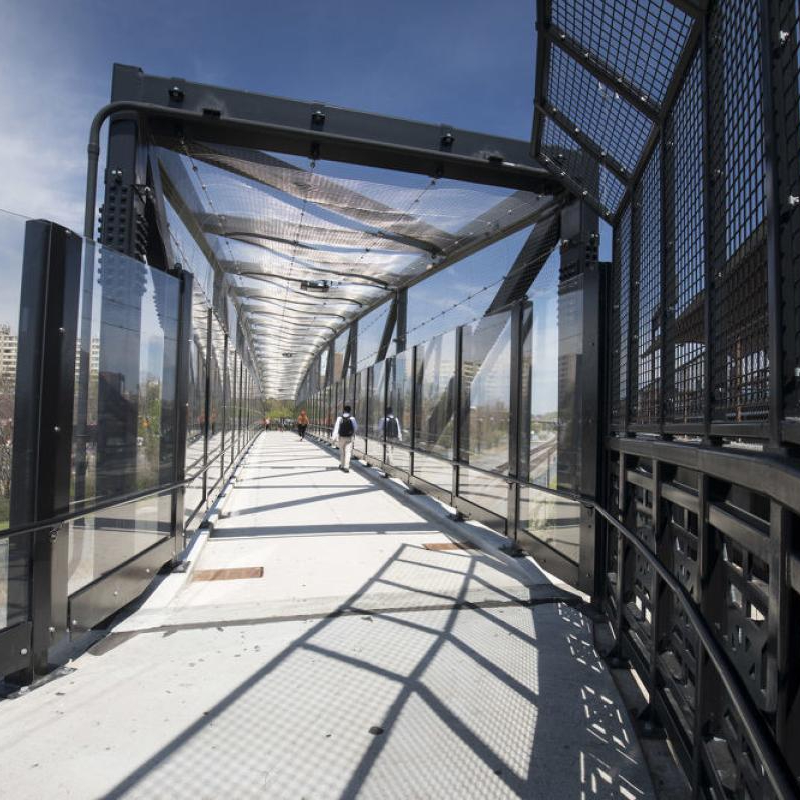
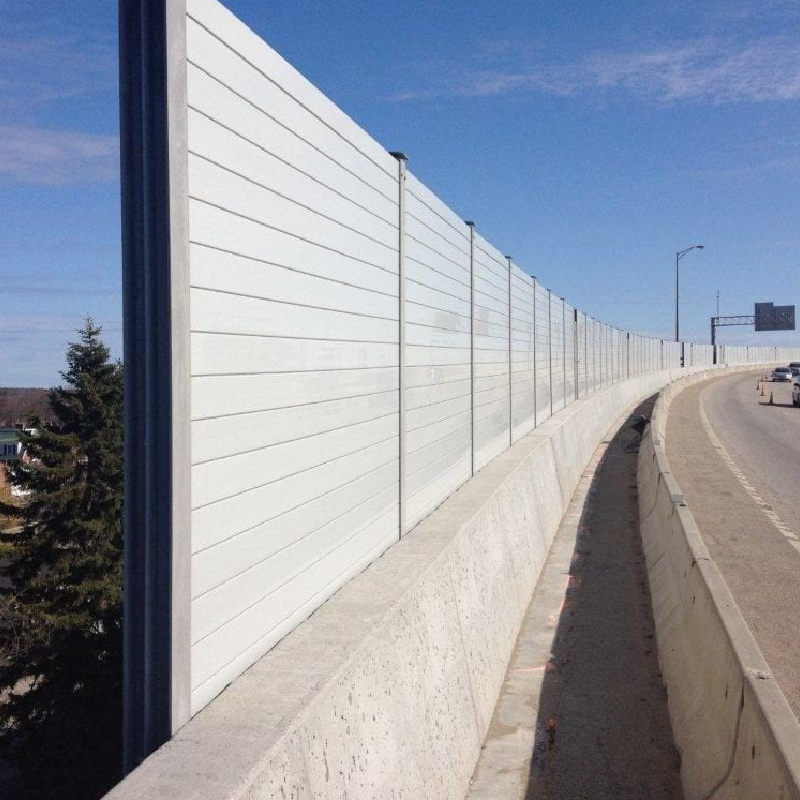
Our premium Bridge Noise Barriers are engineered to provide superior acoustic insulation for highways, railways, and urban infrastructure. By utilizing a sophisticated blend of reflective and composite sound insulation technologies, these barriers effectively mitigate traffic noise, protecting nearby residential areas and improving the overall quality of urban living environments.
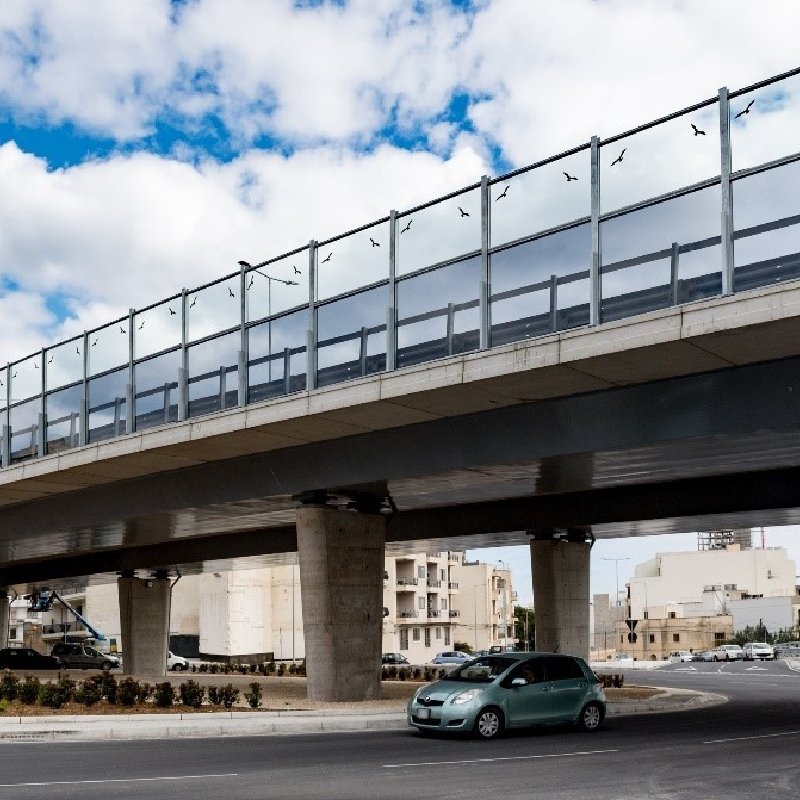
Designed for versatility and durability, our noise barriers are available in multiple materials including perforated aluminum, stainless steel, and acrylic. Whether you require a high-performance sound-absorbing core for industrial sites or a transparent aesthetic for municipal bridges, our customizable solutions ensure maximum noise reduction coefficients (NRC) and exceptional wind resistance for long-term stability.
Detailed Parameters
| Base Materials | Aluminum, Stainless Steel, Carbon Steel, Galvanized Steel | Metal Thickness | 0.5 mm - 1.2 mm |
|---|---|---|---|
| Barrier Thickness | 80 mm, 100 mm (Customizable) | Panel Dimensions | Length: 2.0-3.0m / Height: 0.5-1.0m |
| Filling Materials | EPDM, Fiberglass, Aluminum Foam, Sound-absorbing wool | Common Sizes | 2500x500x80mm, 2500x500x100mm |
| Hole Configurations | Round Hole, Louver design | Available Colors | Clear, Lake Blue, Green, Brown, Silvery Gray, Red, Opal |
| Performance (Rw) | Rw 32 dB (Weighted Sound Reduction Index) | NRC Range | Up to 0.84 (Depending on frequency) |
Key Advantages
High Durability
Utilizing galvanized and stainless steel ensuring corrosion resistance in harsh outdoor environments.
Long Service Life
Engineered for stability with high wind resistance and weather-proof materials for low maintenance.
Superior Absorption
Composite layers combining perforated sheets and absorbent infill for maximum noise attenuation.
Aesthetic Variety
Available in multiple colors and acrylic transparency to match urban architectural styles.
Custom Engineering
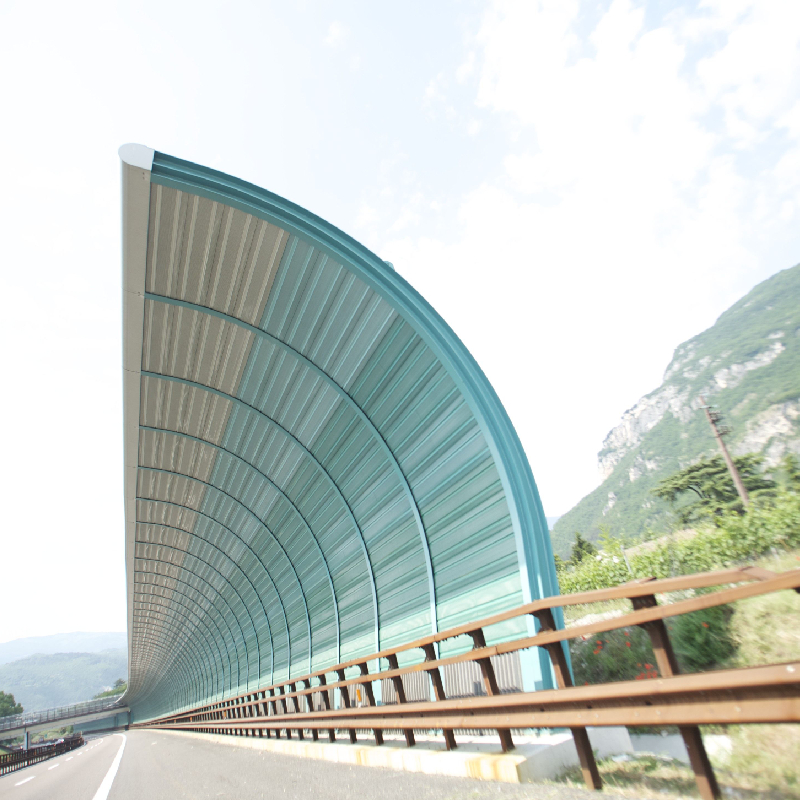
Fully customizable dimensions, thicknesses, and shapes (Arc, Vertical, Knuckling) to fit site needs.
Versatile Application
Ideal for highways, high-speed rails, subways, industrial factories, and luxury commercial sites.
Product Gallery
Management Platforms
Material Sourcing
Strict quality control on aluminum and steel grades to ensure structural integrity.
Precision Fabrication
Advanced punching and forming machines for exact perforated specifications.
Acoustic Testing
Rigorous NRC and Rw testing to verify sound reduction performance coefficients.
Customization Workflow
Seamless transition from client requirements to technical drawings and production.
Logistics Security
PE film and pallet packaging to ensure damage-free international delivery.
Quality Assurance
Comprehensive wind pressure and load-bearing inspections before shipping.
Investment Return Comparison
| Feature | Standard Reflective Barrier | Composite Sound Barrier |
|---|---|---|
| Noise Reduction | Moderate (Reflection only) | Excellent (Absorption + Reflection) |
| Installation Cost | Low | Medium |
| Life Cycle Value | Frequent replacement needed | High durability / Low maintenance |
| Environmental Impact | Noise bounce-back effect | Effective noise attenuation |
| Customization | Limited | Extensive (Material/Color/Shape) |
Frequently Asked Questions
Q: What is the difference between reflective and composite sound barriers?
Reflective barriers simply block and bounce sound back, while composite barriers combine a perforated outer layer with sound-absorbing infill to both absorb and block noise, providing a much more effective solution.
Q: Can these noise barriers be customized for specific project dimensions?
Yes, we offer full OEM/ODM customization. You can specify the metal thickness, panel height, length, color, and the specific shape (such as top arc or vertical) to meet your project requirements.
Q: Which materials are best for high-humidity or coastal areas?
For coastal or high-humidity areas, we recommend stainless steel or aluminum alloys due to their superior natural corrosion resistance compared to carbon steel.
Q: How is the wind resistance of the noise barrier measured?
Wind resistance is measured by calculating the vertical and horizontal force and the bending moment relative to wind pressure values (KN/M2) and the height of the installation.
Q: What is the Noise Reduction Coefficient (NRC)?
NRC is a scalar representation of the amount of sound energy absorbed by a surface. Our composite barriers achieve high NRC values (up to 0.84), meaning they absorb a significant portion of incident sound.
Q: Where are these barriers typically applied?
They are primarily used along expressways, elevated roads, urban light rails, subways, bridge edges, and industrial factory boundaries to reduce noise pollution for residents.
Ready to Reduce Noise Pollution for Your Project?
Contact UsMore from this supplier
AnPing Zhongtai Expanded Metal Mesh Co., Ltd