
Image not available

Building materials & furniture
316Ti Stainless Steel Pipe
<div class="listTxt cME7BUOA automatic" id="cME7BUO"><div class="textLineP" data-companylabeltext="" data-defaultvalue="Introduction" data-source="description"><strong data-start="0" data-end="30" data-is-only-node="">316Ti Stainless Steel Pipe</strong> from <strong data-start="36" data-end="52">SCT MATERIAL</strong> is a reliable piping solution designed for industries requiring superior corrosion resistance, high-…
SupplierShaanxi Shunchengtian Material Co., Ltd.www.chinasmls.com
Source categories
About this product
Product information from the supplier.
PRODUCT DETAILS
| Product Name | Stainless Steel Pipe |
| Material type | Stainless steel round/square tube/ pipe |
| Items | Square tubes, rectangular tubes, round tubes |
| Thickness | 0.5~75mm |
| Specifications | 1. Outer diameter (pipe): |
| 1) Round tube: 8mm to 680 mm | |
| 2) Square tube: 10x10mm to 300x300mm | |
| 3) Rectangular tube: 10x20mm to 120x180mm | |
| Thickness: 0.16mm to 4.0mm | |
| Surface | Polishing,annealing,pickling,bright |
| Technology | Cold/hot rolling |
| Steel Grade | 304,304L,309S,310S,316,316Ti,317,317L,321,347,347H,304N,316L, 316N,201,202 |
| Standard | ASTM A213,A312,ASTM A269,ASTM A778,ASTM A789,DIN 17456,DIN17457,DIN 17459,JIS G3459,JIS G3463,GOST9941,EN10216, BS3605,GB13296 |
| Tolerance | a) Outer Diameter: +/- 0.05mm |
| b) Thickness: +/- 0.01mm | |
| c) Length: +/- 5mm | |
| Test | Squash test, extended test, water pressure test, crystal rot test, heat |
| Packing | Standard export packing |
| Payment | T/T, L/C, Western Union |
| Delivery time | 10 working days upon receipt of the deposit |
| MOQ | 1 ton |
| Application | Pipe: Decoration, Construction, Upholstery, Water supplying… |
| handrail, railing, staircase, door, window, balcony, fence, bench, furniture etc, | |
| Machining | Custom, Kaiping, cutting, pattern |
| Used | Factory, decoration, food |
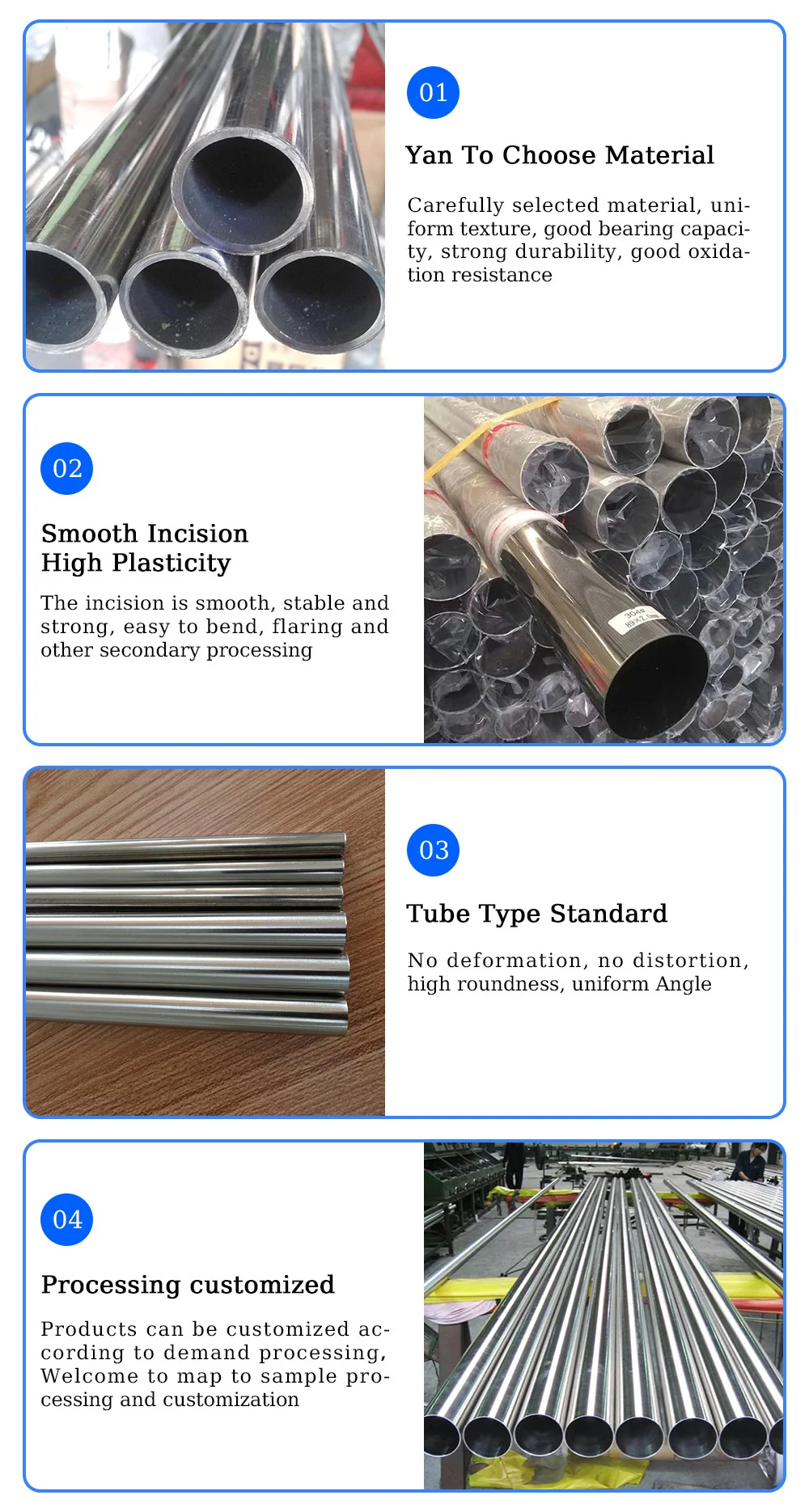
PRODUCT SHOW
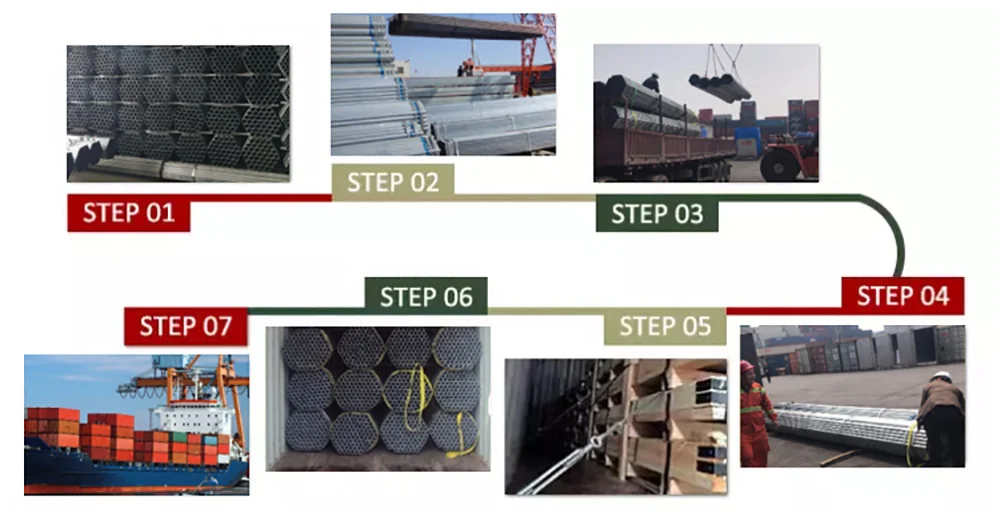
PACKING AND SHIPPING
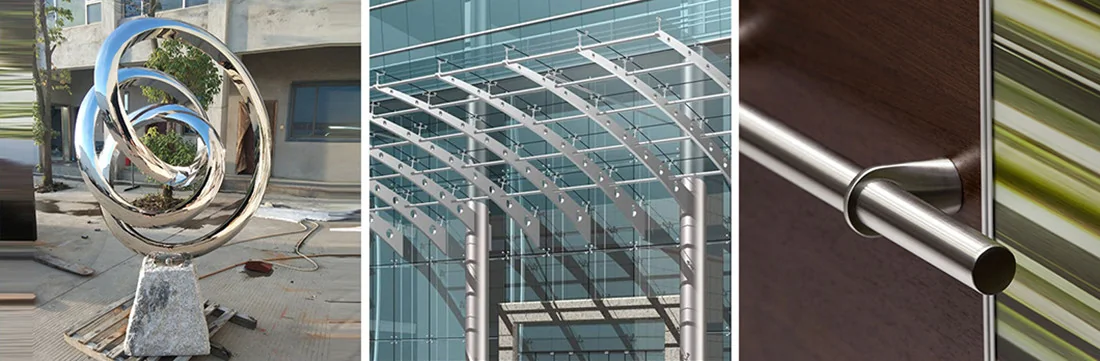
APPLICATION
Why Choose 316Ti Stainless Steel Pipe for High Temperature and Corrosive Environments?
316Ti stainless steel pipe is a titanium-stabilized austenitic stainless steel solution designed for applications where corrosion resistance and high-temperature performance are critical. Compared with standard 316 stainless steel, 316Ti contains titanium elements that improve resistance to intergranular corrosion caused by welding or prolonged exposure to elevated temperatures.
This makes 316Ti pipe particularly suitable for industries such as chemical processing, petrochemical, power generation, heat exchangers, and pharmaceutical manufacturing. In these environments, piping systems often face aggressive chemicals, high temperatures, and continuous operating conditions. A material with enhanced stability can significantly improve equipment reliability and service life.
SCT MATERIAL supplies high-quality 316Ti stainless steel pipes manufactured with strict quality control to ensure consistent mechanical properties, dimensional accuracy, and surface performance. The pipes are available for demanding industrial applications where ordinary stainless steel materials may not provide sufficient durability.
By selecting 316Ti pipe, engineers and buyers can reduce maintenance requirements and improve the long-term performance of piping systems. Its excellent corrosion resistance, weld stability, and heat resistance make it a preferred material choice for specialized industrial projects worldwide.
316Ti Stainless Steel Pipe vs 316 Stainless Steel Pipe: What Is the Difference?
When selecting stainless steel pipes for industrial applications, many buyers compare 316Ti stainless steel pipe with standard 316 stainless steel pipe. Both materials belong to the austenitic stainless steel family and provide excellent corrosion resistance, especially in environments exposed to chlorides and chemicals. However, their composition and performance characteristics are different.
The main difference is the addition of titanium in 316Ti stainless steel. Titanium helps stabilize the carbon content during welding and high-temperature operation, reducing the risk of chromium carbide precipitation. As a result, 316Ti pipe maintains better corrosion resistance after welding and during long-term exposure to elevated temperatures.
For industries involving continuous heating, welding processes, or harsh chemical conditions, 316Ti stainless steel pipe offers additional reliability compared with conventional 316 grades. It is commonly used in chemical plants, offshore equipment, industrial heat exchangers, and advanced manufacturing facilities.
SCT MATERIAL provides 316Ti pipes with reliable material quality and customized solutions for global industrial customers. By understanding the differences between 316Ti and 316 stainless steel, buyers can select the right piping material based on operating temperature, corrosion requirements, and project conditions.
Common Applications of 316Ti Stainless Steel Pipe in Industrial Projects
316Ti stainless steel pipe is widely used in industries that require strong corrosion resistance, excellent weldability, and stable performance under challenging operating conditions. Its unique material structure makes it suitable for applications where standard stainless steel pipes may experience performance limitations.
In the chemical processing industry, 316Ti pipes are used for transporting corrosive liquids, chemicals, and process materials due to their resistance to aggressive environments. In petrochemical and energy sectors, they are applied in equipment systems that require reliable performance under high temperatures and pressure conditions.
The pharmaceutical, food processing, and biotechnology industries also benefit from 316Ti stainless steel pipe because of its hygienic surface properties and resistance to chemical cleaning processes. Additionally, these pipes are used in heat exchangers, marine equipment, exhaust systems, and industrial machinery where durability is essential.
SCT MATERIAL understands that different projects require different material specifications. Therefore, we provide 316Ti pipe solutions according to customer requirements, including size, thickness, surface finish, and application conditions.
Choosing the right stainless steel pipe helps companies improve operational efficiency, reduce replacement costs, and maintain stable production performance. With its excellent corrosion resistance and temperature stability, 316Ti stainless steel pipe remains an important material choice for demanding industrial applications.
How to Select the Right 316Ti Pipe Supplier for Your Project?
Choosing a reliable 316Ti pipe supplier is an important step for ensuring project quality and long-term system performance. Industrial buyers need more than just stainless steel pipes; they need a supplier that can provide consistent material quality, accurate specifications, and professional support throughout the purchasing process.
A qualified supplier should have strict quality control procedures, complete material traceability, and experience serving different industrial sectors. Important factors include chemical composition verification, dimensional inspection, surface quality control, and compliance with international standards.
SCT MATERIAL focuses on providing dependable stainless steel pipe solutions for global customers. Our 316Ti stainless steel pipes are manufactured to meet demanding industrial requirements, helping customers achieve stable performance in applications involving corrosion, heat, and pressure.
Customization capability is also essential for industrial projects. Different applications may require specific pipe dimensions, wall thicknesses, lengths, or surface finishes. Working with an experienced supplier allows buyers to receive products that match their engineering requirements.
With professional manufacturing experience and a commitment to quality, SCT MATERIAL supports customers from material selection to final delivery. Whether for chemical equipment, energy projects, or industrial processing systems, choosing the right 316Ti pipe supplier ensures better reliability and project success.
316Ti Stainless Steel Pipe Sizes
316Ti stainless steel pipe sizes are available in a wide range of outside diameters, wall thicknesses, and lengths to meet the requirements of different industrial piping systems. 316Ti is a titanium-stabilized austenitic stainless steel based on 316 stainless steel. The addition of titanium helps improve resistance to sensitization during prolonged exposure to elevated temperatures, making this grade suitable for demanding thermal and corrosive environments.
Common 316Ti Stainless Steel Pipe Dimensions
The size of a 316Ti stainless steel pipe is normally specified by its nominal pipe size, outside diameter, wall thickness, and length. Common nominal sizes can range from small-diameter pipes used for instrumentation and fluid lines to large-diameter pipes used for industrial processing systems. Depending on the manufacturing standard, customers may select different wall thicknesses according to pressure, temperature, and mechanical requirements.
Pipe wall thickness is an important factor when selecting 316Ti stainless steel pipe sizes. Thin-wall pipes can be suitable for applications where weight reduction and efficient fluid flow are important, while thicker-wall pipes provide greater strength and pressure resistance. Standardized schedules such as SCH 5S, SCH 10S, SCH 40S, and SCH 80S may be available depending on the pipe size and applicable specification.
Seamless and Welded Pipe Sizes
316Ti stainless steel pipes are commonly manufactured as seamless or welded products. Seamless pipes are produced without a welded seam and are often selected for high-pressure or demanding applications. Welded pipes can be manufactured in larger diameters and offer cost-effective solutions for many industrial piping systems.
The available dimensions may vary according to manufacturing standards such as ASTM, ASME, or EN specifications. Buyers should confirm the required standard before ordering.
How to Choose the Right Size
Selecting the correct 316Ti stainless steel pipe size requires consideration of operating pressure, temperature, flow rate, corrosion conditions, connection method, and installation requirements. The outside diameter determines compatibility with fittings and equipment, while wall thickness affects pressure capacity and durability.
For a precise selection, buyers should provide the required pipe diameter, wall thickness or schedule, length, manufacturing standard, and application conditions. This information helps suppliers recommend the most suitable 316Ti stainless steel pipe for reliable and long-term industrial service.
What are the key differences between 304 and 316Ti stainless steel pipes?--H2
The key differences between 304 and 316Ti stainless steel pipes mainly involve chemical composition, corrosion resistance, high-temperature performance, and typical applications.
Chemical Composition
304 stainless steel primarily contains chromium and nickel, while 316Ti stainless steel contains chromium, nickel, molybdenum, and titanium. Molybdenum improves resistance to pitting and crevice corrosion, while titanium stabilizes the material against sensitization during prolonged heating.
Corrosion Resistance
316Ti generally offers better corrosion resistance than 304, especially in chloride-containing, chemical, and marine environments. 304 is suitable for many general-purpose applications but is less resistant to aggressive corrosive media.
High-Temperature Performance
316Ti stainless steel pipe is better suited to prolonged high-temperature service because its titanium stabilization helps reduce chromium carbide precipitation. 304 can also withstand elevated temperatures but is generally less suitable for long-term thermal exposure under demanding conditions.
Weldability
Both grades have good weldability. However, the titanium stabilization of 316Ti provides additional resistance to intergranular corrosion after welding and high-temperature exposure.
Applications
304 stainless steel pipe is commonly used in food processing, construction, water systems, kitchen equipment, and general industrial applications. 316Ti is more commonly selected for chemical processing, petrochemical equipment, heat exchangers, pharmaceutical facilities, and high-temperature industrial systems.
Cost
304 is generally more economical, while 316Ti usually costs more because of its molybdenum and titanium content.
In summary: choose 304 stainless steel pipe for economical, general-purpose corrosion-resistant applications, while 316Ti stainless steel pipe is a better choice for more corrosive environments and applications involving prolonged high-temperature exposure.
316 Stainless Steel Pipe Thickness
316 stainless steel pipe thickness is an important specification that directly affects pressure resistance, mechanical strength, durability, weight, and overall piping performance. 316 stainless steel is widely used in chemical processing, marine equipment, food processing, pharmaceutical facilities, and other applications where excellent corrosion resistance is required. Choosing the appropriate wall thickness ensures that the pipe can safely handle its operating conditions.
Common Wall Thickness Options
The thickness of a 316 stainless steel pipe can vary significantly depending on its nominal pipe size, manufacturing standard, and application requirements. Stainless steel pipes are commonly specified by wall thickness or schedule. Typical schedules may include SCH 5S, SCH 10S, SCH 40S, SCH 80S, and SCH 160, although the available thickness depends on the pipe diameter and applicable standard.
Thin-wall 316 stainless steel pipes are often selected for low-pressure fluid transportation, instrumentation, and applications where lightweight construction is important. Medium-wall pipes provide a balance between weight, strength, and pressure capacity, while heavy-wall pipes are preferred for high-pressure and demanding industrial applications.
Factors Affecting Pipe Thickness
Several factors should be considered when selecting 316 stainless steel pipe thickness. Operating pressure is one of the most important considerations because higher internal pressure generally requires a thicker pipe wall. Operating temperature can also affect material strength and should be included in engineering calculations.
Other factors include pipe diameter, fluid characteristics, corrosion allowance, external loads, installation conditions, and applicable design codes. For corrosive environments, engineers may select additional wall thickness to account for expected material loss over the service life.
How to Choose the Right Thickness
The correct thickness should be determined according to the actual working conditions rather than simply selecting the thickest available pipe. A suitable thickness provides sufficient pressure resistance while avoiding unnecessary material cost and weight.
When purchasing 316 stainless steel pipe, buyers should specify the nominal size, outside diameter, required wall thickness or schedule, length, manufacturing standard, and application conditions. Proper thickness selection helps improve safety, service life, and cost efficiency while ensuring reliable performance in demanding industrial piping systems.
316Ti Stainless Steel Pipe FAQs
What is 316Ti stainless steel pipe?
316Ti stainless steel pipe is a titanium-stabilized austenitic stainless steel pipe based on 316 stainless steel. The addition of titanium improves resistance to sensitization and intergranular corrosion during prolonged exposure to elevated temperatures.
What are the main advantages of 316Ti stainless steel pipe?
Key advantages include excellent corrosion resistance, good high-temperature performance, resistance to pitting and crevice corrosion, good weldability, and long-term durability in demanding industrial environments.
Where is 316Ti stainless steel pipe commonly used?
It is commonly used in chemical processing, petrochemical equipment, heat exchangers, power plants, pharmaceutical equipment, marine applications, and high-temperature piping systems.
What is the difference between 316 and 316Ti stainless steel pipe?
Both grades contain chromium, nickel, and molybdenum, but 316Ti contains titanium. Titanium helps stabilize the material against chromium carbide precipitation during prolonged heating, making 316Ti particularly suitable for certain high-temperature applications.
Is 316Ti stainless steel pipe suitable for high-temperature applications?
Yes. 316Ti is designed to provide stable performance during prolonged exposure to elevated temperatures. Its titanium stabilization helps maintain corrosion resistance after thermal exposure, making it suitable for high-temperature industrial piping.
How do I choose the right 316Ti stainless steel pipe?
Selection should consider pipe diameter, wall thickness, pressure rating, operating temperature, fluid characteristics, corrosion conditions, pipe length, and applicable standards. Seamless or welded construction should also be selected according to the specific application and engineering requirements.
More from this supplier
Shaanxi Shunchengtian Material Co., Ltd.


