

Image not available

Hardware & tools
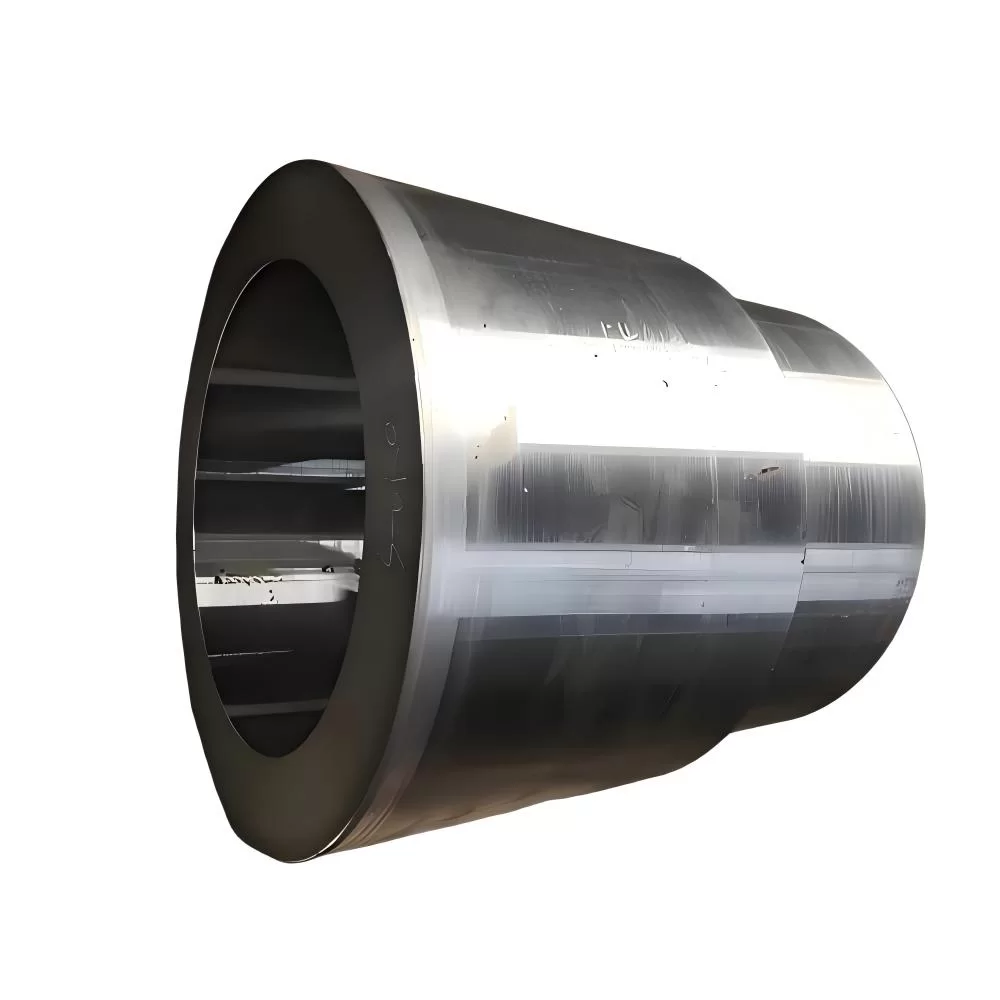
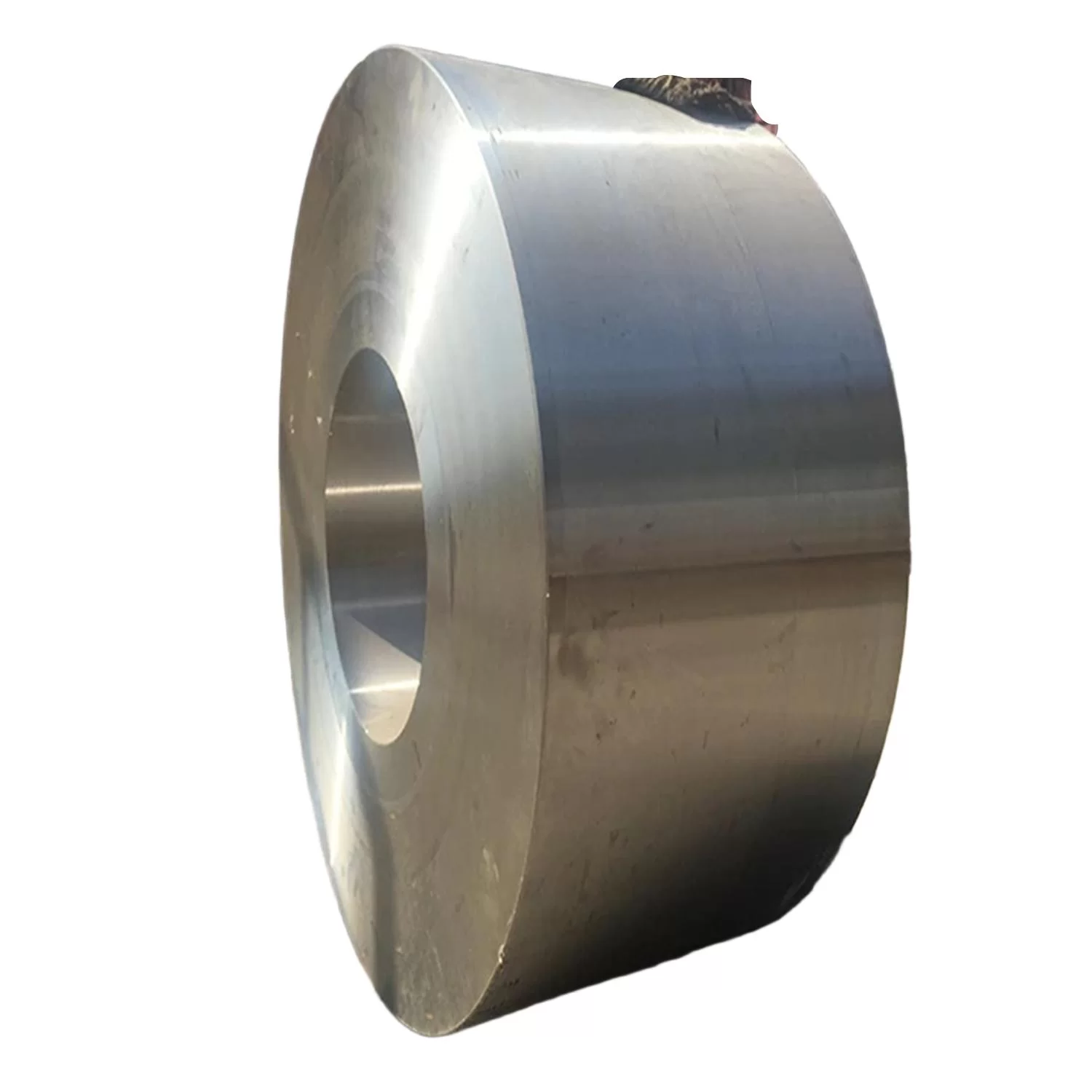
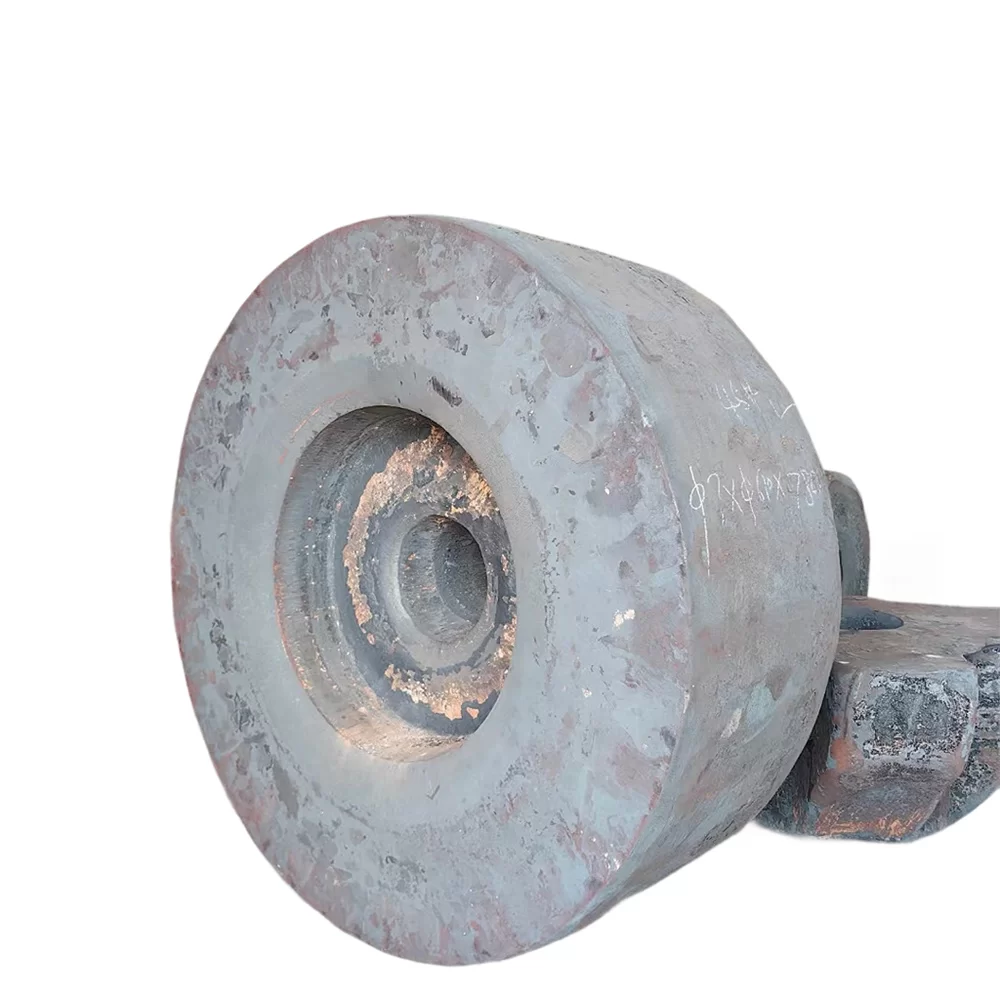
HeavyWall Forged Pipe Stub Factory Leading China Suppliers of HighPressure Forgings
Looking for reliable China suppliers? Our factory provides premium heavy-wall forged pipe stubs designed for demanding transition sections where high wall thickness, machining stock, and forged soundness are required for extreme pressure.
SupplierYongxin Sheng Heavy Industry International Co., Ltdwww.yxs-forging.com
Source categories
About this product
Product information from the supplier.
Our Heavy-Wall Forged Pipe Stubs are engineered for high-stress environments, providing critical structural reliability for pressure equipment and pipeline transitions. Unlike standard fabricated pieces, these forgings are designed for zones where extreme section thickness is required to withstand immense pressure, ensuring seamless material continuity and superior mechanical strength.
By utilizing a precision forging route, these short sections offer enhanced resistance to deformation and high-pressure fatigue. They are specifically developed for applications where cut pipe sections fail to meet the required wall thickness or machining allowances, allowing for custom dimensions, precise boring, and optimized welding-end preparation according to strict engineering drawings.
Detailed Parameters
| Key Features | Thick-wall control, high-pressure suitability, boring stock | Typical Materials | A105, A182 F22, A182 F91, 42CrMo4 |
|---|---|---|---|
| Outer Diameter (OD) | 100mm ~ 1200mm | Wall Thickness | 50mm ~ 300mm |
| Maximum Length | ≤ 1200mm | Typical Applications | High-pressure transitions, hydroprocessing stub ends |
| Supply Condition | Quenched & tempered / Normalized & tempered | Machining State | Rough machined (ID + faces) |
| Inspection Standards | UT 100%, Hardness/Mechanical testing | Documentation | PMI, EN 10204 3.1 Certification |
Key Advantages
Superior Integrity
Forged structure eliminates weld seams, significantly reducing the risk of leakage in high-pressure zones.
Extended Lifespan
Optimized heat treatment (Q&T) ensures exceptional fatigue resistance and long-term durability.
Custom Geometry
Tailored wall thickness and bore stock to match exact equipment drawings and machining sequences.
Precision Machining
Provided with precise rough machining on IDs and faces to streamline final installation and welding.
Full Traceability
Rigorous UT 100% inspection and EN 10204 3.1 documentation for complete quality assurance.
Material Versatility
Available in a wide range of alloy steels including A182 F91 and 42CrMo4 for specialized needs.
Product Gallery
Management Platforms
Material Control
Strict raw material verification and PMI testing to ensure alloy purity.
Forging Process
Advanced forging routes to optimize grain flow and structural reliability.
Heat Treatment
Precision quenching and tempering cycles for optimal hardness and toughness.
NDT Inspection
Comprehensive Ultrasonic Testing (UT) 100% for internal defect detection.
CNC Machining
High-precision machining of IDs and faces for perfect mating surfaces.
Quality Audit
Full compliance with international standards and EN 10204 3.1 certifications.
Investment Return Comparison
| Metric | Fabricated Pipe Section | Heavy-Wall Forging |
|---|---|---|
| Structural Strength | Moderate (Weld dependent) | Ultra-High (Integral Grain) |
| Pressure Tolerance | Standard limits | Extreme high-pressure capability |
| Machining Allowance | Limited | Customizable/Ample |
| Failure Risk | Higher at weld joints | Minimal (Homogeneous) |
| Long-term Maintenance | Frequent inspection needed | Low maintenance / High stability |
Frequently Asked Questions
Q: What is the primary advantage of a forged pipe stub over a cut pipe?
Forged stubs provide superior material continuity and higher wall thickness that cannot be achieved with standard pipes, significantly increasing safety in high-pressure transitions.
Q: Which material grades are most common for these forgings?
Commonly used grades include A105 for carbon steel, A182 F22 and F91 for alloy steels, and 42CrMo4 for high-strength mechanical requirements.
Q: What inspection methods are used to ensure quality?
We perform 100% Ultrasonic Testing (UT), Positive Material Identification (PMI), hardness testing, and provide EN 10204 3.1 certificates.
Q: Can the end preparation be customized for welding?
Yes, end preparation, including beveling and facing, is fully adjustable based on your final equipment drawings and machining sequence.
Q: What is the typical size range for heavy-wall forgings?
Our typical range covers outer diameters from 100mm to 1200mm, wall thicknesses from 50mm to 300mm, and lengths up to 1200mm.
Q: How does the heat treatment affect the product?
Quenching and tempering or normalizing are used to refine the grain structure, ensuring the optimal balance of yield strength and impact toughness.
Looking for High-Pressure Forging Solutions?
Contact UsMore from this supplier
Yongxin Sheng Heavy Industry International Co., Ltd


