
Image not available

Chemicals
Premium Aluminum Chloride AlCl3 China Factory and Reliable Suppliers
Looking for high-purity Aluminum Chloride (AlCl3)? As leading China suppliers and a professional factory, we provide premium AlCl3 powder for efficient water treatment, COD reduction, and heavy metal removal. High solubility and GBT 22627-2014 compliant.
SupplierShandong Jiuzhou chemical Co., Ltd.www.sdjz-chem.com
Source categories
About this product
Product information from the supplier.
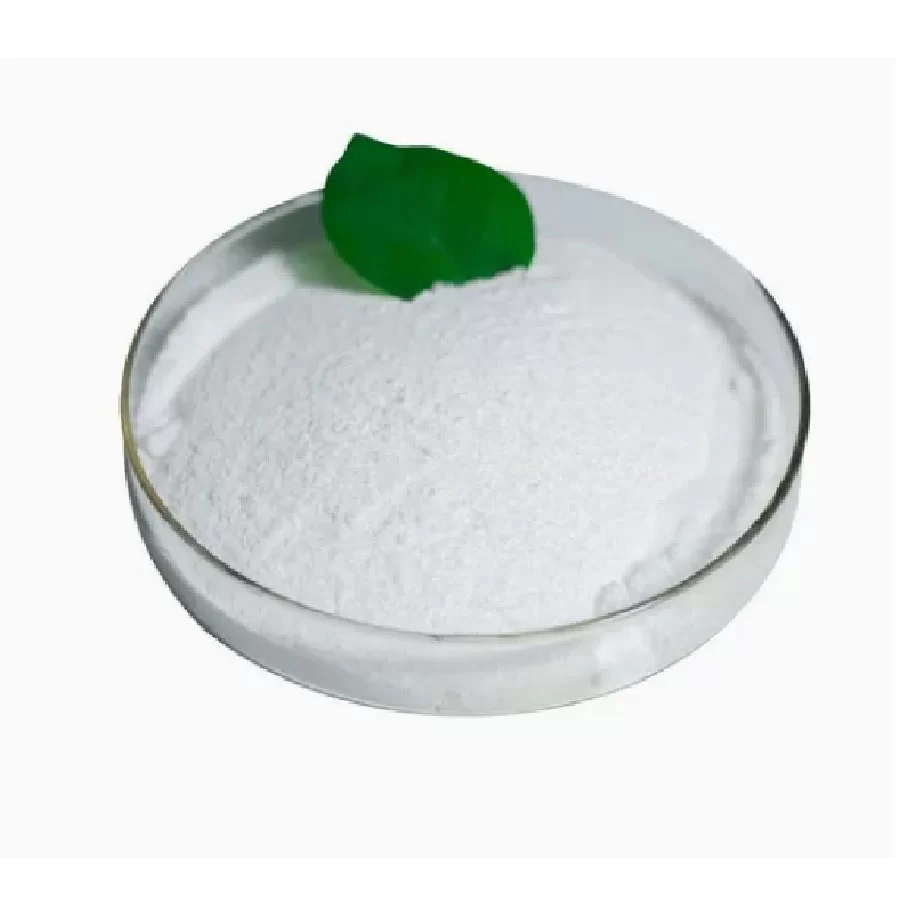
Aluminum Chloride (AlCl₃) is a premium inorganic chemical raw material engineered for high-performance water treatment. Appearing as a white or light yellow crystalline powder, it is highly soluble in water, ethanol, and ether. This powerful coagulant is specifically designed to tackle complex industrial wastewater and municipal water purification challenges with exceptional efficiency.
Operating through a rapid hydrolysis process, our Aluminum Chloride forms a high-capacity aluminum hydroxide colloid upon contact with water. This colloid exhibits an extraordinary adsorption capability, effectively neutralizing and aggregating suspended impurities, colloidal particles, and organic pollutants, ensuring a clear, stable, and high-quality water output that meets rigorous environmental standards.
Detailed Parameters
| Chemical Formula | AlCl₃ | Appearance | White or light yellow powder |
|---|---|---|---|
| Main Content | ≥98% | Compliance Standard | GB/T 22627-2014 |
| Solubility | Water, Ethanol, Ether | Physical State | Crystalline Powder |
| Impurity Level | Below Industry Limit | Primary Function | High-Efficiency Flocculant |
| Reactivity | Highly Hygroscopic | Application | Water Purification |
Key Advantages
Ultra-High Purity
Main content ≥98% with iron and heavy metal impurities kept far below industry limits for superior purity.
Rapid Dissolution
Advanced purification technology ensures the product dissolves quickly for immediate operational deployment.
Strong Adsorption
Hydrolysis forms a powerful colloid that efficiently traps suspended solids and colloidal particles.
COD Reduction
Highly effective in removing Chemical Oxygen Demand (COD) and organic color from industrial sewage.
Heavy Metal Removal
Capable of removing various heavy metal ions, ensuring treated water meets strict safety standards.
Stable Water Quality
Delivers consistent purification results, maintaining treated water stability across different batches.
Product Gallery


Management Platforms
Quality Control
Strict adherence to GB/T 22627-2014 standards for every production batch.
Process Optimization
Utilizing advanced purification technology to maximize solubility and efficacy.
Impurity Monitoring
Rigorous testing for heavy metals and iron to ensure low-residue output.
Stability Testing
Continuous monitoring of hydrolysis rates to ensure consistent adsorption capacity.
Storage Management
Specialized moisture-proof packaging to prevent deliquescence and HCl fumes.
Supply Chain Integrity
Reliable sourcing of inorganic raw materials to maintain chemical consistency.
Investment Return Comparison
| Performance Metric | Standard Grade AlCl₃ | Premium Grade AlCl₃ |
|---|---|---|
| Purity Level | 90% - 95% | ≥98% (Ultra-Pure) |
| Dissolution Speed | Moderate | Rapid / Immediate |
| COD Removal Rate | Average | High-Efficiency |
| Sludge Volume | Higher | Optimized/Lower |
| Treatment Cost | Low Initial / High Waste | Optimized Total Lifecycle Cost |
Frequently Asked Questions
Q: What makes Aluminum Chloride effective for water treatment?
It undergoes hydrolysis in water to form aluminum hydroxide colloids, which have a strong adsorption capacity to coagulate suspended impurities and colloidal particles, leading to rapid clarification.
Q: How should Aluminum Chloride be stored to avoid degradation?
Due to its strong hygroscopicity and tendency to produce hydrogen chloride fumes, it must be stored in a cool, dry, well-ventilated area in airtight containers.
Q: Can this product remove heavy metals from industrial sewage?
Yes, the high-efficiency adsorption capacity of the aluminum hydroxide colloid formed helps in removing various heavy metal ions from the wastewater.
Q: What is the difference between GB/T 22627-2014 and other standards?
GB/T 22627-2014 is a rigorous national standard specifically for aluminum chloride used as a water treatment agent, ensuring purity and performance consistency.
Q: Is Aluminum Chloride corrosive to equipment?
Yes, it has strong corrosiveness. It is recommended to use corrosion-resistant materials (such as plastic or lined steel) for storage and dosing equipment.
Q: How does this product affect the COD of treated water?
By aggregating organic pollutants and suspended solids into larger flocs, it significantly reduces the Chemical Oxygen Demand (COD), improving overall water quality.
Ready to Optimize Your Water Purification Process?
Contact UsMore from this supplier
Shandong Jiuzhou chemical Co., Ltd.


