
Image not available

Chemicals
HighPurity Anhydrous Sodium Sulfate CAS 7757826 China Factory Suppliers
Looking for reliable China suppliers? Our factory provides high-purity anhydrous sodium sulfate for detergents, glass manufacturing, pulp production, and textiles. A stable, neutral chemical agent ideal for industrial applications.
SupplierShandong Jiuzhou chemical Co., Ltd.www.sdjz-chem.com
Source categories
About this product
Product information from the supplier.
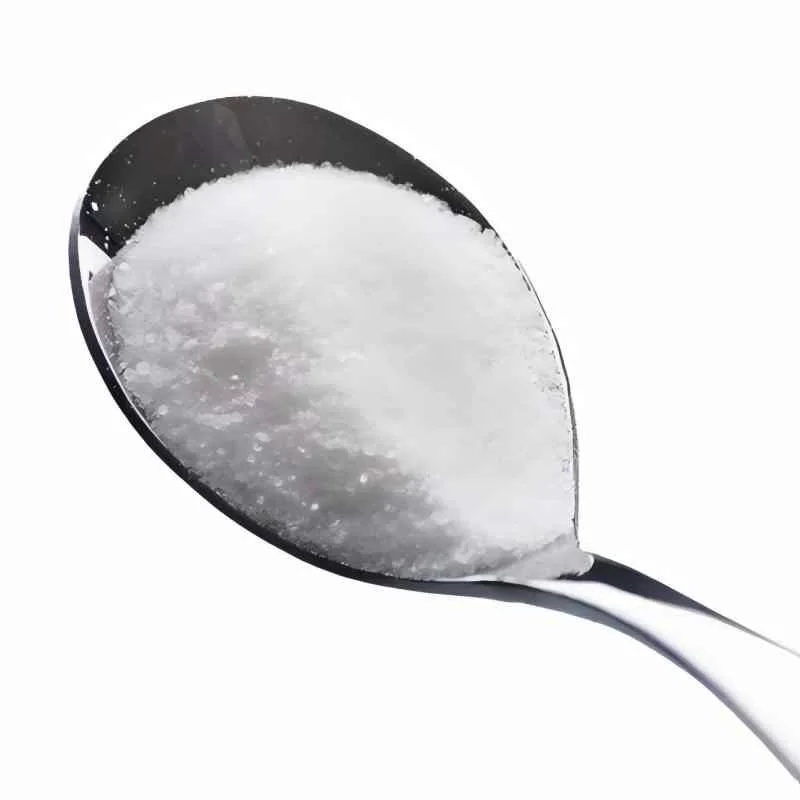
High-Purity Anhydrous Sodium Sulfate (Na₂SO₄), CAS 7757-82-6, is a premium inorganic salt recognized for its exceptional stability and versatility across diverse industrial applications. As a white, odorless, and fine-grained crystalline powder, it serves as a critical chemical agent in the manufacturing of glass, detergents, and cellulose products, offering superior purity and consistent chemical performance for high-demand industrial processes.
Our sodium sulfate is engineered to meet rigorous quality standards, ensuring optimal solubility and neutral pH levels. Whether utilized as a desiccant in organic synthesis laboratories or as a key raw material for sodium silicate and gypsum production, this product delivers the reliability and purity required to enhance production efficiency and final product quality in the chemical and pharmaceutical sectors.
Detailed Parameters
| Sodium Sulfate (Na2SO4) w/% | 99.6% (First-class) / 92.0% (Qualified) | Water Insoluble Matter w/% | ≤ 0.005% - 0.20% |
|---|---|---|---|
| Calcium & Magnesium (Mg) w/% | ≤ 0.15% - 0.6% | Calcium (Ca) w/% | 0.01% |
| Magnesium (Mg) w/% | 0.01% | Chloride (as CI) w/% | 0.05% - 2.0% |
| Iron (Fe) w/% | ≤ 0.0005% - 0.040% | Water Content w/% | 0.05% - 1.5% |
| Whiteness (R457) /% | ≥ 88% - 82% | pH (50 g/L aqueous, 25 ºC) | 6 - 8 |
Key Advantages
Ultra-High Purity
Available in purity grades up to 99.6%, minimizing impurities for sensitive chemical reactions.
Superior Desiccation
Highly effective as a post-treatment desiccant in organic synthesis laboratories.
Optimized Solubility
Excellent water solubility with a neutral pH, ensuring seamless integration into aqueous solutions.
Detergent Efficiency
Reduces surface tension and increases the solubility of synthetic detergents.
Industrial Grade Quality
Perfect for glass, porcelain glaze, and pulp production with consistent whiteness.
Versatile Application
Suitable for dye dilution, pharmaceuticals, and feed additives across various industries.
Product Gallery


Management Platforms
Quality Control
Strict adherence to purity standards using advanced analytical testing methods.
Supply Chain
Integrated raw material sourcing from sulfuric acid and caustic soda suppliers.
Logistics Hub
Optimized distribution networks for rapid delivery of bulk inorganic salts.
Compliance
Full compliance with international chemical safety and transport regulations.
Inventory Mgmt
State-of-the-art warehousing to prevent moisture absorption and maintain quality.
Technical Support
Professional guidance on integrating Na2SO4 into your specific production line.
Investment Return Comparison
| Feature | Standard Grade | Our High-Purity Grade |
|---|---|---|
| Production Yield | Average | Significantly Increased |
| Impurity Rate | Moderate (0.5%+) | Ultra-Low (≤0.005% insoluble) |
| Product Stability | Variable | High Consistency |
| Process Speed | Standard | Faster Reaction Times |
| Final Quality | Standard Grade | Premium Grade (High Whiteness) |
Frequently Asked Questions
Q: What is the primary use of Sodium Sulfate in the detergent industry?
In synthetic detergents, it acts as a neutral salt that reduces surface tension and enhances the solubility of the detergent, improving overall cleaning efficiency.
Q: How does anhydrous sodium sulfate function as a desiccant?
It is widely used in organic synthesis laboratories as a post-treatment desiccant to remove trace amounts of water from organic solvents.
Q: Which industries rely most heavily on Sodium Sulfate?
The papermaking and cellulose industries are the largest consumers, accounting for approximately 70% of total usage, followed by glass and chemical manufacturing.
Q: Is Sodium Sulfate suitable for pharmaceutical applications?
Yes, our high-purity anhydrous sodium sulfate meets the strict requirements for use in pharmaceuticals and analytical chemical reagents.
Q: How should anhydrous sodium sulfate be stored to maintain purity?
It should be stored in a cool, dry place in sealed containers, as it is prone to absorbing moisture from the air and forming sodium sulfate decahydrate.
Q: What are the raw materials used to produce Sodium Sulfate?
The primary upstream raw materials used in the manufacturing process include sulfuric acid and caustic soda.
Ready to optimize your production with High-Purity Sodium Sulfate?
Contact UsMore from this supplier
Shandong Jiuzhou chemical Co., Ltd.


