
Image not available

Textiles & apparel
Premium Hydroxypropyl Methylcellulose HPMC Factory and Suppliers in China
High-quality Hydroxypropyl Methylcellulose HPMC from a leading China factory. Available in hot-dissolving and instant-dissolving types for construction, food, and pharma. Trust the top suppliers for non-toxic, stable viscosity cellulose ethers.
SupplierHebei Tjin Technology Co., Ltd.www.tjhpmc.com
Source categories
About this product
Product information from the supplier.
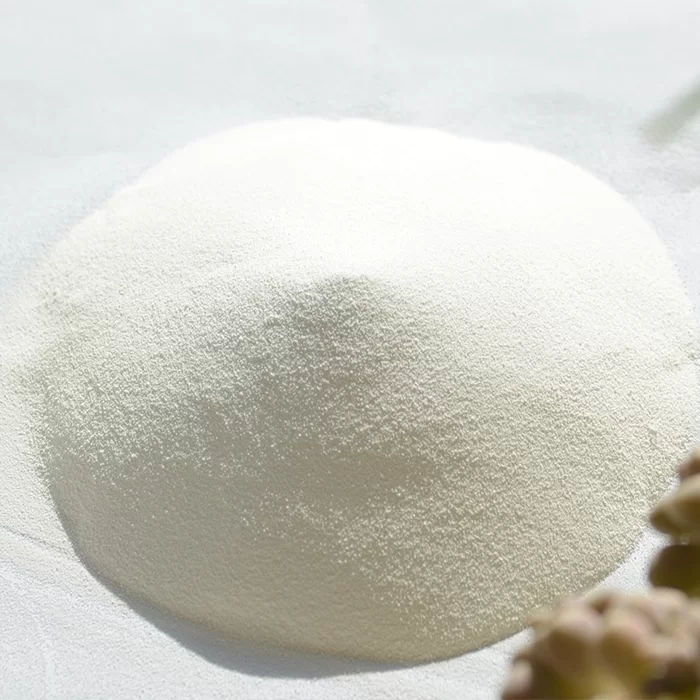
Hydroxypropyl Methylcellulose (HPMC) is a high-performance, non-ionic cellulose ether derived from natural polymer cellulose through a sophisticated etherification process. As a versatile chemical additive, it appears as an odorless, tasteless, and non-toxic white powder that transforms into a clarified or slightly turbid colloidal solution upon contact with water.
Engineered for versatility, HPMC excels in providing critical functional properties including thickening, dispersing, emulsifying, and film-forming capabilities. Its superior water retention and surface activity make it an indispensable component across pharmaceutical, food processing, and daily chemical industries, ensuring stability and quality in final product formulations.
Detailed Parameters
| Hydroxypropyl Content | 4% - 12% | Methoxy Content | 19% - 30% |
|---|---|---|---|
| Moisture Content | ≤ 5% | Viscosity Range | 1,700 - 200,000 mPa.s |
| pH Value (1% Sol.) | 5.0 - 8.0 | Ash Content | ≤ 3% |
| Gel Temperature | 60°C - 70°C | Appearance | White Powder |
| Solubility | Water-Soluble | Toxicity | Non-toxic |
Key Advantages
Premium Purity
Strict quality control ensures pharmaceutical and food-grade purity for safe application.
Water Retention
Exceptional ability to retain moisture, improving consistency and prolonging product shelf-life.
Stable Viscosity
Consistent thickening power across various batches to ensure standardized production.
Film Forming
Creates a durable, clear film essential for coatings and sustained-release drug delivery.
High Dispersion
Easy to mix and disperse, preventing agglomeration in industrial chemical processes.
Versatile Application
Optimized for use in toothpaste, cosmetics, detergents, and food additives.
Product Gallery


Management Platforms
Viscosity Measurement
Precision testing to ensure exact rheological properties for every grade.
Water Retention Testing
Quantitative analysis of moisture holding capacity for industrial efficiency.
Whiteness Detection
Optical assessment to guarantee pure white powder appearance and consistency.
Methyl Content Analysis
Chemical verification of substitution levels to ensure performance stability.
Quality Control
Rigorous multi-stage inspection from raw cellulose to final etherification.
Custom Solutions
Tailored specification adjustments to meet specific client application needs.
Investment Return Comparison
| Performance Metric | Standard Grade | Premium HPMC Grade |
|---|---|---|
| Product Stability | Moderate | High Consistency |
| Water Retention | Standard | Superior / Extended |
| Production Yield | Average | Increased Efficiency |
| Application Range | Limited | Pharmaceutical/Food/Industrial |
| Quality Assurance | Basic | Full Lab Certified |
Frequently Asked Questions
Q: What are the primary applications of Pharmaceutical grade HPMC?
Pharmaceutical grade HPMC is primarily used as a hydrophilic gel skeleton material, a pore-causing agent, and a high-quality coating agent for the preparation of sustained-release medication preparations.
Q: How does HPMC function in food processing?
In food processing, HPMC acts as a multipurpose agent for adhesion, emulsification, film formation, thickening, suspension, dispersion, and water retention to enhance food texture and stability.
Q: Can HPMC be used in personal care products?
Yes, the daily chemical grade HPMC is an essential additive for toothpaste, cosmetics, and detergents, providing the necessary viscosity and stability to these products.
Q: What is the significance of the gel temperature in HPMC?
The gel temperature (typically 60-70°C) determines the point at which the HPMC solution forms a gel, which is critical for controlling the release rates in pharmaceutical coatings and the texture in food products.
Q: What makes HPMC a non-ionic cellulose ether?
Being non-ionic means it does not carry an electrical charge in solution, making it highly compatible with other ionic or non-ionic surfactants and additives without reacting negatively.
Q: How is the quality of HPMC ensured during production?
Quality is ensured through rigorous testing of viscosity, water retention capacity, whiteness value, and chemical analysis of hydroxypropyl and methoxyl content.
Ready to Optimize Your Formulas with Premium HPMC?
Contact UsMore from this supplier
Hebei Tjin Technology Co., Ltd.


