
Image not available
Chemicals
PACAP (1-38), human, ovine, rat CAS NO.137061-48-4
<p><div class="ybc-p"></div></p><div class="ybc-p">PACAP (1-38), human, ovine, rat is a highly conserved 38-amino acid neuropeptide that functions as the primary endogenous ligand for pituitary adenylate cyclase-activating polypeptide (PACAP) receptors. This amidated peptide exhibits potent neuroprotective, vasodilatory, and metabolic regulatory activities, making it an essential research tool for studying neuroendo…
SupplierGlobal Technology Co., Ltd.www.hqtechtirz.com
Source categories
About this product
Product information from the supplier.
TECHNICAL SPECIFICATIONS
| Item | Specification |
|---|---|
| Product Name | PACAP (1-38), human, ovine, rat |
| CAS NO. | 137061-48-4 |
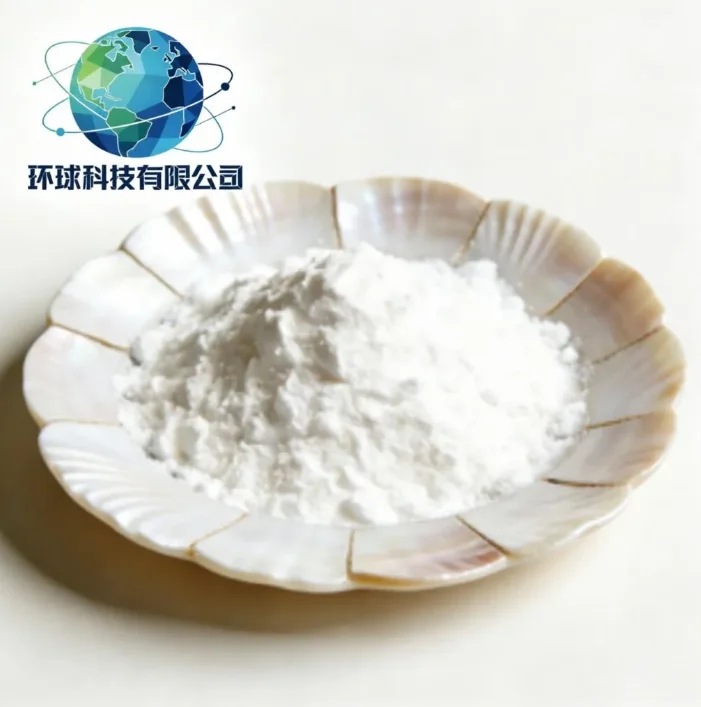
| Appearance | White to off-white lyophilized powder |
| Molecular Formula | C203H331N63O53S |
| Molecular Weight | 4534.36g/mol |
| Purity (RP-HPLC) | ≥ 95.0% |
| Solubility | Soluble in water, phosphate‑buffered saline (PBS), or dilute acetic acid (e.g., 0.1% v/v). It is recommended to first dissolve in a small volume of 0.1% acetic acid or sterile water to prepare a 0.1–1.0 mg/mL stock solution. |
| Endotoxin | < 1.0 EU/mg (typical for high‑purity research peptides). |
| Biological Activity | Binds to PAC1 and VPAC2 receptors with high affinity, stimulating adenylate cyclase activity and increasing intracellular cAMP levels. Exhibits neuroprotective, vasodilatory, and metabolic regulatory effects in vitro and in vivo models. |
| Storage Conditions | Store at -20°C. For long‑term storage, store at -80°C. Lyophilized peptide is stable for 12 months at -20°C. Reconstituted solution should be aliquoted and stored at -20°C for up to 1 month or -80°C for up to 6 months to prevent degradation. |
| Stock Location | Stock in USA |
| MOQ | 1g |
1.MECHANISM OF ACTION
The peptide exerts its biological effects by binding with high affinity to G protein-coupled PAC1 and VPAC2 receptors, primarily activating the Gs/adenylyl cyclase pathway to significantly elevate intracellular cAMP levels. This activation triggers downstream protein kinase A (PKA) signaling and CREB-mediated gene transcription, while also engaging additional pathways including MAPK/ERK and PI3K/Akt, collectively modulating neuronal excitability, neurotransmitter release, hormone secretion, and promoting cell survival and anti-inflammatory responses.
2.PRODUCT INDICATIONS
PACAP (1-38) is indicated for research applications in neuroscience, endocrinology, and pharmacology, including studies of neuroprotection in models of stroke and neurodegeneration, regulation of circadian rhythms and stress adaptation, metabolic control of glucose homeostasis, and modulation of inflammatory processes. It serves as a critical reagent for in vitro receptor binding and functional assays (cAMP accumulation, calcium imaging) and in vivo investigations of learning, memory, pain perception, and autonomic function.
3.CLINICAL EFFICACY OF PRODUCT
While PACAP (1-38) itself is not an approved therapeutic, compelling preclinical evidence demonstrates its efficacy in improving outcomes after traumatic brain injury, reducing infarct volume in stroke models, and showing promise in migraine and neurodegenerative disease models. These findings have driven the development of PACAP-based analogs, with one (e.g., a PACAP38 derivative) approved for treating acute migraine attacks, highlighting its validated clinical potential as a therapeutic target.
4.DELIVERY & SHIPPING
We specialize in global logistics for various cosmetic peptides. Your order will be handled with the utmost care, ensuring safe, reliable, and intact delivery.
Professional and Secure Packaging
Each bottle of peptide is protected with a special packaging solution to ensure stability and integrity during transportation.
We can also customize packaging according to customer needs.
Shipping Methods
Main Method: International Air Freight
We primarily use DHL, FedEx, UPS, and TNT because of their global reliability, speed, and advanced tracking systems. Air freight ensures the fastest transit time and minimizes the impact of environmental factors on the product.

More from this supplier
Global Technology Co., Ltd.


