
Image not available
Chemicals
Melanocyte Protein PMEL 17 (44-59) (human, bovine, mouse) CAS NO.195523-86-5
<p>MSH Release Inhibiting Factor, amide (CAS NO.: 195523-86-5 ), also known as MIF-1. With a molecular formula of C<span style="font-size: 10px;">95</span>H<span style="font-size: 10px;">137</span>N<span style="font-size: 10px;">27</span>O<span style="font-size: 10px;">29</span> and a molecular weight of 2105.32 g/mol, this naturally occurring peptide is a key modulator of melanocyte-stimulating hormone (MSH) secret…
SupplierGlobal Technology Co., Ltd.www.hqtechtirz.com
Source categories
About this product
Product information from the supplier.
TECHNICAL SPECIFICATIONS
| Item | Specification |
|---|---|
| Product Name | Melanocyte Protein PMEL 17 (44-59) (human, bovine, mouse) |
| CAS NO. | 195523-86-5 |
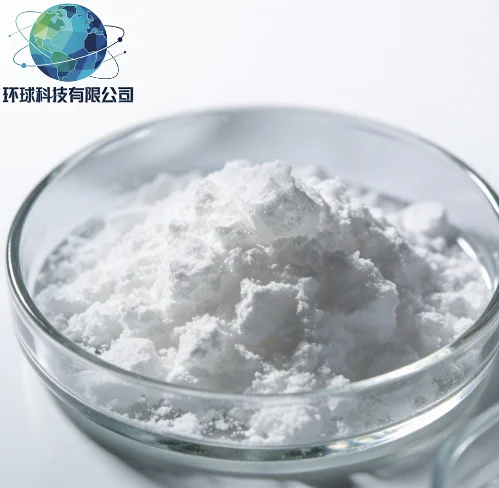
| Appearance | White to off-white lyophilized powder |
| Molecular Formula | C95H137N27O29 |
| Molecular Weight | 2105.32g/mol |
| Purity (RP-HPLC) | ≥ 95.0% |
| Solubility | Soluble in water (≥1 mg/mL), PBS buffer (pH 7.2–7.4), and DMSO; slightly soluble in methanol |
| Endotoxin | < 1.0 EU/mg |
| Biological Activity | Immunogenic peptide for PMEL17 antibody production; recognized by anti-PMEL17 monoclonal antibodies; used in melanoma antigen detection and melanin granule biogenesis studies |
| Storage Conditions | -20°C for long-term storage (stable for 2 years); avoid repeated freeze-thaw cycles; store desiccated |
| Stock Location | Stock in USA |
| MOQ | 1g |
1.MECHANISM OF ACTION
The biological activity of MSH Release Inhibiting Factor, amide is centered on its dual regulatory effects on the hypothalamic-pituitary-adrenal (HPA) axis and central nervous system. As a potent MSH inhibition peptide, it binds to specific receptors on pituitary melanotroph cells, suppressing α-MSH and β-MSH release by inhibiting cAMP-dependent signaling pathways—directly regulating downstream melanin synthesis and skin pigmentation processes.
2.PRODUCT INDICATIONS
Neuroendocrine regulation studies: Exploring HPA axis function, MSH secretion mechanisms, and hypothalamic-pituitary signaling pathways with the aid of this MSH inhibition peptide.
Neuroscience research: Investigating neurotransmitter modulation, mood disorders, pain management, and neuroprotective strategies using its neuroprotective tripeptide properties.
Skin pigmentation research: Studying melanin synthesis regulation as a tool for hyperpigmentation disorder investigations.
3.CLINICAL EFFICACY OF PRODUCT
MSH Release Inhibiting Factor, amide (CAS 2002-44-0) is in preclinical and early clinical exploration, with promising results from in vitro and in vivo models. As an MSH inhibition peptide, it has demonstrated significant ability to suppress pituitary MSH release in rodent studies, reducing skin pigmentation—laying a research foundation for hyperpigmentation disorders like melasma.
4.DELIVERY & SHIPPING
We specialize in global logistics for various cosmetic peptides. Your order will be handled with the utmost care, ensuring safe, reliable, and intact delivery.
Professional and Secure Packaging
Each bottle of peptide is protected with a special packaging solution to ensure stability and integrity during transportation.
We can also customize packaging according to customer needs.
Shipping Methods
Main Method: International Air Freight
We primarily use DHL, FedEx, UPS, and TNT because of their global reliability, speed, and advanced tracking systems. Air freight ensures the fastest transit time and minimizes the impact of environmental factors on the product.

More from this supplier
Global Technology Co., Ltd.


