
Image not available
Chemicals
GIP (1 – 30), porcine, amide CAS NO.134846-93-8
<p>GIP (1-30), porcine, amide (CAS NO. 134846-93-8) is a 30-amino-acid peptide with the molecular formula <strong>C₁₆₂H₂₄₅N₄₁O₄₇S</strong> and molecular weight <strong>3551.07 g/mol</strong>. As a C-terminally amidated analog of glucose-dependent insulinotropic polypeptide (GIP) from pigs, it is a key research tool for studying GIP-GIPR interactions, glucose metabolism, and incretin-based diabetes therapies.<br/></p>
SupplierGlobal Technology Co., Ltd.www.hqtechtirz.com
Source categories
About this product
Product information from the supplier.
TECHNICAL SPECIFICATIONS
| Item | Specification |
|---|---|
| Product Name | GIP (1 - 30), porcine, amide |
| CAS NO. | 134846 - 93 - 8 |
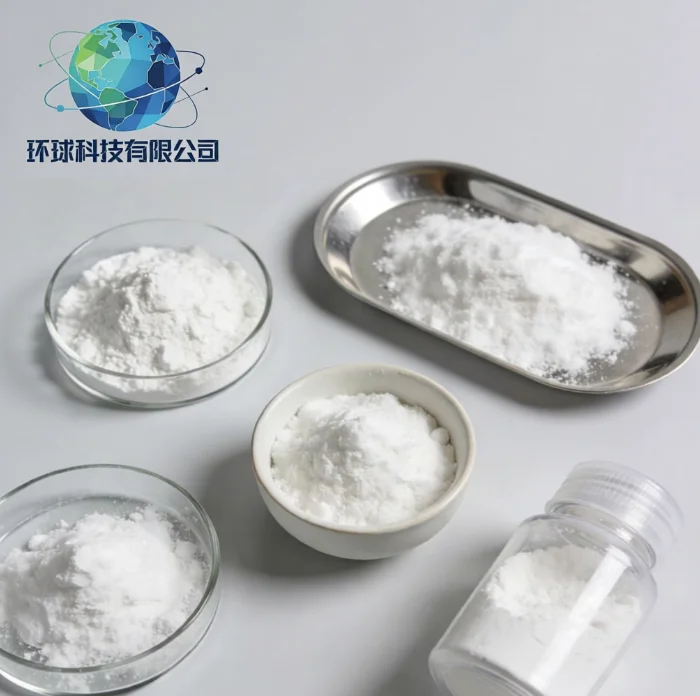
| Appearance | White to off-white lyophilized powder |
| Molecular Formula | C₁₆₂H₂₄₅N₄₁O₄₇S |
| Molecular Weight | 3551.07g/mol |
| Purity (RP-HPLC) | ≥98% |
| Solubility | Soluble in water and can also dissolve in some polar organic solvents |
| Endotoxin | ≤1.0 EU/mg |
| Biological Activity | GIP is an intestinal hormone that plays an important role in regulating blood glucose and energy metabolism. GIP (1-30), porcine, amide can bind to the GIP receptor and activate downstream signaling pathways. |
| Storage Conditions | Store at -20°C to maintain its stability and biological activity. |
| Stock Location | Stock in USA |
| MOQ | 1g |
1.MECHANISM OF ACTION
GIP Receptor (GIPR) Binding: Binds to the GIP receptor (GIPR) on pancreatic β-cells, adipose tissue, and the central nervous system with high affinity (EC₅₀: 0.05–0.5 nM).
Glucose-Dependent Insulin Secretion: Stimulates insulin release from pancreatic β-cells via Gαs-protein-coupled signaling, increasing intracellular cAMP levels and enhancing insulin granule exocytosis—only when blood glucose is elevated.
Lipid Metabolism Regulation: Promotes triglyceride storage in adipose tissue by activating lipoprotein lipase (LPL) and inhibiting lipolysis via GIPR-mediated pathways.C-Terminal Amidation: The amidated C-terminus (NH₂) improves peptide stability in vivo (half-life: ~5 minutes vs. 2 minutes for non-amidated forms) and strengthens receptor binding.
2.PRODUCT INDICATIONS
Diabetes Research: Studying glucose-dependent insulin secretion mechanisms and evaluating GIP analogs as adjuncts to GLP-1 receptor agonists for type 2 diabetes.
Incretin Biology: Investigating GIP-GIPR signaling in pancreatic β-cell function, adipose metabolism, and central appetite regulation.
Species Comparison: Comparing porcine GIP (vs. human/mouse GIP) to elucidate evolutionary conservation of incretin functions.
Drug Development: Screening GIPR agonists/antagonists for obesity, metabolic syndrome, or cachexia therapies.
3.CLINICAL EFFICACY OF PRODUCT
Insulin Secretion: In porcine pancreatic islet cultures, 1 nM GIP (1-30) amide increased glucose-stimulated insulin release by 3–5x vs. baseline.
Glucose Homeostasis: In diabetic rat models, co-administration with GLP-1 increased glucose clearance by 40% and reduced HbA1c by 1.2% over 4 weeks.
Adipose Metabolism: In human adipocytes, it enhanced LPL activity by 60% and reduced free fatty acid release by 35% (1 nM, 24 hours).
4.DELIVERY & SHIPPING
We specialize in global logistics for various cosmetic peptides. Your order will be handled with the utmost care, ensuring safe, reliable, and intact delivery.
Professional and Secure Packaging
Each bottle of peptide is protected with a special packaging solution to ensure stability and integrity during transportation.
We can also customize packaging according to customer needs.
Shipping Methods
Main Method: International Air Freight
We primarily use DHL, FedEx, UPS, and TNT because of their global reliability, speed, and advanced tracking systems. Air freight ensures the fastest transit time and minimizes the impact of environmental factors on the product.

More from this supplier
Global Technology Co., Ltd.


