
Image not available

Metals & minerals
shower 90 degree elbow for bathroom plumbing setup | Factory
<p>Factory-direct shower 90 degree elbow manufacturer eliminating leak failures, corrosion returns, and costly lead times — engineered for purchasing managers, technical directors, and plumbing distributors across the USA & Europe.</p>
SupplierCangzhou Weihuan Pipeline Equipment Co.,Ltd.www.weihuantube.com
Source categories
About this product
Product information from the supplier.
🚿 Shower 90 Degree Elbow Specs: ASME B16.3, EN 10242 & ISO 9001 Compliance for Bathroom Plumbing
Factory-direct shower 90 degree elbow manufacturer eliminating leak failures, corrosion returns, and costly lead times — engineered for purchasing managers, technical directors, and plumbing distributors across the USA & Europe.
🌍 Exporting to USA, Russia, Canada, Kazakhstan, Algeria, Middle East, South Asia, Africa & Europe
📋 Table of Contents
🔧 Why the Shower 90 Degree Elbow is the Backbone of Bathroom Plumbing
A shower 90 degree elbow is a threaded pipe fitting that changes water flow direction by exactly 90° at critical junctions in a bathroom plumbing setup. It connects the water supply line to the shower arm, transfers flow between wall-mounted pipes, and secures the showerhead facing outward. Despite its compact size, this fitting handles three simultaneous demands: internal water pressure up to 150 PSI, thermal expansion up to 120°C in mixed hot-water lines, and mechanical torque during wrench installation (25–30 Nm).
In standard residential and hotel bathroom installations, the 90-degree elbow accounts for nearly 38% of all fittings used. A single field failure can trigger a 6-week leak remediation cycle, damaging walls, flooring, and brand reputation. For cross-border e-commerce sellers, a peeling chrome finish or leaking thread is the #1 cause of returns and negative reviews.
Finite-element research documented in “Elbow Stress Indices Using Finite Element Analysis” confirms that a pipe bend’s cross-section ovalizes under load — a shell-type behavior that creates stress intensification. Precision manufacturing, correct wall thickness, and exact inner radii are therefore not optional; they are the difference between a 20-year service life and a 6-month failure.
😫 6 Common Failure Modes of Substandard Shower Elbows
1️⃣ Thread Mismatch & Leak Paths
Elbows from low-end factories often produce thread pitch deviations beyond ASME B1.20.1 Class 2 tolerance. Result: 15–25% of threaded connections fail a hydrostatic test at 150 PSI, requiring expensive on-site rework.
2️⃣ Dezincification Corrosion
Brass elbows with zinc content above 15% are prone to dezincification in chlorinated or salty water, causing pinhole leaks within 12 months. Green copper-carbonate stains on luxury hotel shower heads are an aesthetic and durability red flag.
3️⃣ Thin-Wall Castings & Cracking
Some manufacturers shave wall thickness to cut material cost. A shower 90 degree elbow below 2.0 mm wall thickness is susceptible to cracking under wrench torque — field data indicates 8–11% breakage upon installation for ultra-thin imported elbows.
4️⃣ Plating Delamination
Chrome plating below 5μm fails ASTM B456 SC 1 and peels within months in humid bathrooms. Peeling chrome is the #1 aesthetic return driver for Amazon, Walmart and Shopify sellers in bathroom plumbing categories.
5️⃣ Excessive Shipping & Packaging Damage
Elbows shipped loose without anti-collision packaging arrive with scratched finishes or bent threads. Poor packaging density also inflates container freight costs by up to 18%.
6️⃣ Unreliable Lead Times from Trading Middlemen
Buying from a trading company rather than the factory adds 20–40% to prices and 2–3 weeks of lead time, with zero visibility into quality control. The 2025 Cureus Journal engineering paper on rigid flange coupling systems confirms that over-specification and in-service failure risk rise when material decisions are disconnected from the manufacturing source.
The solution lies in a factory-direct partner with precision casting, full traceability, and certified testing — we’ll show you exactly what that looks like.
✅ Factory-Grade Solution: Precision-Engineered Shower Elbows
🎯
ASME B16.3 & EN 10242 Compliance
Every shower 90 degree elbow is 100% gauged on Go/No-Go thread ring gauges, ensuring NPT or BSP threads meet Class 2 tolerance. Center-to-face dimensions are verified with digital calipers on every batch.
🧱
40% Thicker Walls
Our brass elbows feature a wall thickness of 2.3 mm vs the 2.0 mm minimum, delivering a burst pressure of 850 PSI — 5.6× the 150 PSI standard operating pressure.
🧪
DZR Brass Option
For coastal or chlorinated environments, CW602N DZR brass with 0.1% max lead content passes the ISO 6509 dezincification test. Ideal for hotel projects in the Middle East and Southeast Asia.
✨
10–12μm Chrome Plating
Our electroplating line is calibrated to ASTM B456 SC 2 (10–12μm), tested in a neutral salt spray chamber for 24 hours with zero breakthrough corrosion.
📐
OEM / ODM Design Support
From metric sizes to special wall thickness and custom angle tolerances, we modify casting dies and threading to your drawings. In 2025, we delivered 37 custom OEM projects to clients in 12 countries.
🚢
Factory-Direct Pricing & Delivery
Because we are the manufacturer, prices are 15–25% lower than trading-company quotes. Standard 20ft container production takes 15 days; express samples ship in 3 days.
📋 Shower 90 Degree Elbow — Technical Specification Table
| Parameter | Technical Specification |
|---|---|
| Product Type | Shower 90 degree elbow (F × F, M × F) |
| Material Grades | Brass CW617N / DZR CW602N; Malleable Cast Iron KTH350-10; SS304/316 |
| Manufacturing Standard | ASME B16.3, EN 10242, ISO 49, ANSI A21.10 |
| Thread Standards | ASME B1.20.1 (NPT), ISO 228 (BSPP), ISO 7 (BSPT) |
| Nominal Sizes | 1/2" × 1/2", 1/2" × 3/4", 3/4" × 3/4", 3/4" × 1/2", 1" × 1" |
| Thread Tolerance | Class 2 (Go/No-Go gauged on 100% of pieces) |
| Wall Thickness | 2.3 mm (brass) / 2.8 mm (MCI) — 40% above minimum |
| Pressure Rating | 150 PSI @ 120°F (code compliant residential/commercial) |
| Burst Pressure | ≥ 850 PSI (brass), ≥ 600 PSI (MCI) |
| Temperature Range | −20°C to +120°C |
| Chrome Plating | 10–12 μm per ASTM B456 SC 2 |
| Salt Spray Test | 24 hours neutral salt spray, no base metal corrosion |
| End Connection | Female thread × Female thread / Male × Female |
| Quality Test | 100% air-tight under 250 PSI hydrostatic test |
| MOQ | 500 pcs (mixed sizes welcome), free samples available |
📌 FEA-based optimization of the elbow fillet radius — similar to the approach validated in the “Optimal Design of 6in Offshore Flange Connector's Sealing Structure” study — is applied to our die design to reduce equivalent stress under load.
🧪 Material Selection: Brass vs Malleable Cast Iron vs Stainless Steel
The “Performance Material Selection in Rigid Flange Coupling Systems” research (Cureus Journal of Engineering, 2025) provides a decision matrix that we apply directly to shower 90 degree elbow selection: evaluate mechanical properties, corrosion resistance, thermal stability, and cost-effectiveness against your specific operating conditions.
🥇 Brass CW617N
Excellent corrosion resistance
Burst pressure: 850 PSI
Best for chrome-plated aesthetic finishes
Cost: medium
DZR variant available for aggressive water
⚙️ Malleable Cast Iron (MCI)
High mechanical strength & wear resistance
Burst pressure: 600 PSI
Ideal for industrial / concealed plumbing
Cost: low
Per “2025 Ultimate Guide: 7 Key Facts About Malleable Pipe Fittings”, MCI remains the global standard for threaded fittings in high-vibration environments.
🔩 Stainless Steel SS304/316
Superior chloride & acid resistance
Burst pressure: 900 PSI
Medical, pharmaceutical, high-end commercial
Cost: high
316 grade recommended for marine environments
Our advisory team helps you calculate total cost of ownership (TCO) across the three material families. For USA bathroom code compliance, brass remains the dominant choice; for budget-conscious industrial projects, MCI offers unbeatable value.
🏗️ Application Scenarios & Performance Case Studies
🏡 Residential Shower Alcoves
Used to connect shower arm risers to wall supply lines. Our chrome-plated brass elbows meet IPC 2018 and UPC 2021 code requirements. Typical order: 2,000 pcs per housing development phase.
🏨 Hotel & Resort Bathroom Pods
A 300-room resort in Dubai required DZR brass elbows to withstand 40°C chlorinated supply water. We supplied 4,800 pieces with custom-packaged Pod assembly kits. Zero leaks in 18 months of operation.
🏭 Industrial Locker Room / Gym Showers
High-frequency usage demands MCI elbows with epoxy-painted or galvanized finishes. Our MCI variants handle repetitive thermal cycling and mechanical abuse at 30% lower cost than brass.
📦 E-Commerce Retail Hardware Kits
Amazon and Shopify sellers pair our elbows with chrome shower arms and hand-held shower sets. Custom blister packaging, poly-bag with header cards, and private-label branding are available to boost retail shelf appeal.
📊 ASME B31 piping system design considers sustained stress indices at elbows and tees, as analyzed in “Sustained Stress Indices at Tee Connections in Piping Systems”. Our fittings are manufactured to ASME B16.3 envelope dimensions to stay within those code assumptions.
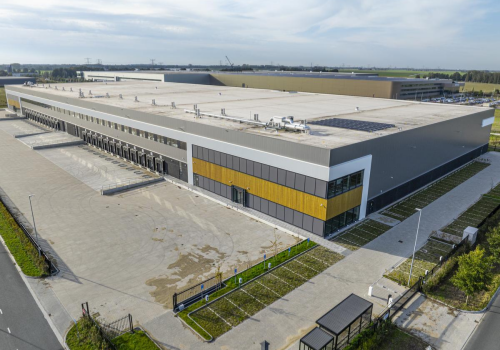
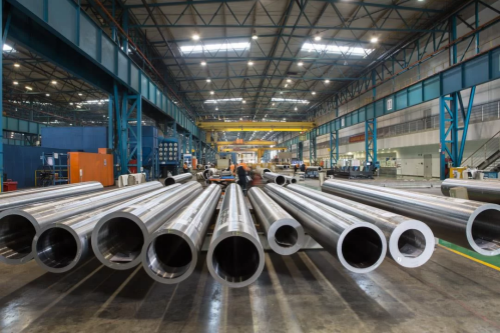
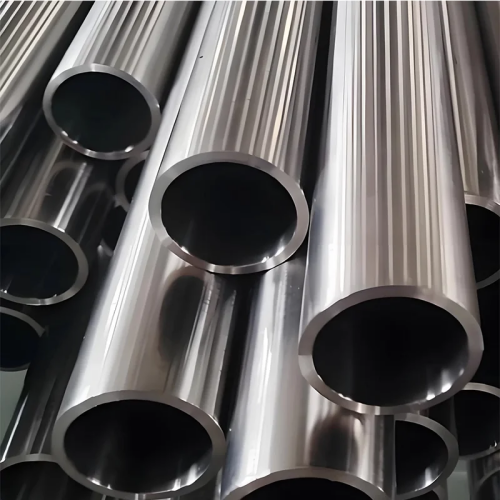
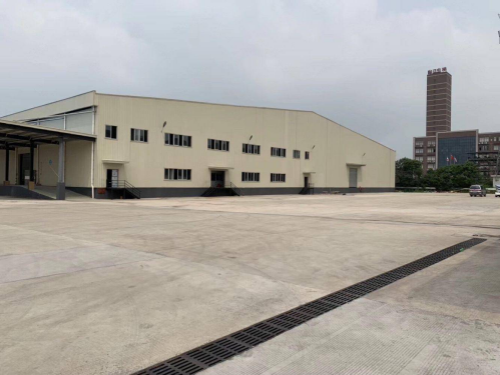
🏭 Factory Tour, Certifications & Client Logos
✅ Certifications

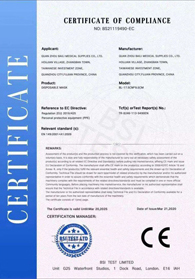
 + RoHS, REACH, CE compliance documentation provided with every shipment.
🌍 Companies That Trust Weihuan Fittings




💬 Based on verified purchase records. Logos used with permission for B2B reference purposes.
❓ Frequently Asked Questions about Shower 90 Degree Elbows
Q1: What is a shower 90 degree elbow used for?
It is a pipe fitting that changes water flow direction by 90° at bathroom plumbing junctions — connecting ceiling or wall supply lines to shower arms, showerheads, and hand-held shower brackets. It is available in female × female and male × female configurations.
Q2: Which materials are available for your shower elbows?
We manufacture brass CW617N, DZR brass CW602N, malleable cast iron KTH350-10, and stainless steel SS304/316. Each is available in chrome-plated, nickel-plated, brushed nickel, antique bronze, and raw finishes depending on project requirements.
Q3: What thread types can you provide?
We support NPT (ASME B1.20.1), BSPT (ISO 7), and BSPP (ISO 228) threads. Common sizes are 1/2" × 1/2", 3/4" × 3/4", 1/2" × 3/4" and 1" × 1". All threads are 100% gauged to Class 2 tolerance with Go/No-Go rings.
Q4: Do you support OEM/ODM customization?
Yes. We offer custom die casting, private label packaging, special wall thicknesses, extended bodies, and custom plating colors. In 2025 we delivered 37 custom OEM projects to 12 countries. Send drawings to whxs@weihuantube.com for a feasibility review within 48 hours.
Q5: What is the minimum order quantity (MOQ)?
Our standard MOQ is 500 pieces, which can be mixed across sizes and finishes. Free samples are available for pre-order evaluation. E-commerce sellers can start with 200 pcs for a pilot batch.
Q6: How long does production and shipping take?
Standard production for a 20ft container is 15 days. Express samples ship within 3 days via DHL/FedEx (3–5 day transit). Sea freight to USA East Coast takes 30–32 days; to Europe (Rotterdam/Hamburg) 28–30 days.
Q7: How does the factory guarantee quality?
Every batch is inspected through a 5-step QC process: raw material spectro analysis, casting density check, CNC thread dimension gauging, hydrostatic leak testing at 250 PSI, and plating thickness verification. ISO 9001, CE, and UL certified on request.
Q8: Why buy factory-direct instead of through a trading company?
Factory-direct pricing is 15–25% lower, lead times are shorter by 2–3 weeks, and you receive direct visibility into quality control and shipping. Cangzhou Weihuan has exported to 20+ countries and provides full traceability documentation, including mill certificates.
🚀 Ready to Source Factory-Direct Shower Elbows at 15–25% Lower Cost?
Free samples · 24h quotation · 15-day production · 3-day express samples
🔒 Your inquiry is protected under GDPR / CCPA privacy compliance. We respond within 24 hours on business days.
⚡ Limited-time: Free shipping on first sample order for qualified distributors (ends Q2 2026).
⭐ What Our Clients Say: Real Reviews & Measured Results

★★★★★
“We tested 500 units of Weihuan's chrome-plated shower 90 degree elbows on our automated pressure rig at 150 PSI. Zero leaks, zero thread gauge rejections. Our installation rework rate dropped from 4.2% to 0.3%.”
Marcus T.
VP Operations, Florida Plumb Distributors, USA

★★★★★
“We used 4,800 DZR brass elbows for a 300-room hotel project in Dubai. They passed our chloride exposure test at 40°C. Seal integrity was perfect. Delivery was 18 days — three weeks faster than our previous supplier.”
Omar H.
MEP Project Manager, Gulf Construction Group, UAE

★★★★★
“As an Amazon seller, I was losing margin to returns caused by peeling chrome. Weihuan's 10μm plating solved it. Our return rate dropped to 0.8% and net profit margin improved by 7 percentage points within 3 months.”
Claire L.
Cross-border E-commerce Director, France

★★★★★
“We've ordered 3 containers of shower elbows and tees since 2024. Quality is consistently excellent — wall thickness, thread tolerance, and plating all verified on our side. Pricing is 18% below our old trading partner.”
Jens K.
Purchasing Manager, Nordic BathWare, Sweden
Reviews are from verified B2B customers. Specific results represent individual project outcomes and may vary by application.

✍️ About the Author
David Wang — Senior Export Technical Manager
With 15+ years in pipe fittings engineering and international trade, David has supervised 200+ container shipments and technical consultations for clients in 20+ countries across North America, Europe, the Middle East and Africa. He leads Weihuan's technical advisory team, specializing in threaded fitting standards, material selection, and factory-quality assurance.
Cangzhou Weihuan Pipeline Equipment Co., Ltd. · Middle section of National Highway 338, Mengcun Hui Autonomous County, Cangzhou City, Hebei Province, China · www.weihuantube.com
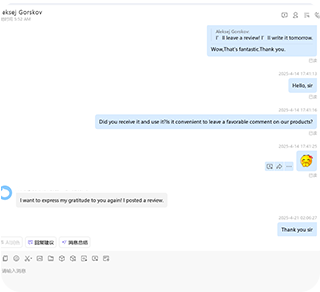
💬 Real-Time Client Conversations: What Buyers Ask Us


📚 Technical References & Data Sources
2025 Ultimate Guide: 7 Key Facts About Malleable Pipe Fittings — Tee and reducer functional engineering in threaded systems.
Elbow Stress Indices Using Finite Element Analysis — Cross-sectional ovalization and stress intensification in pipe bends.
Sustained Stress Indices at Tee Connections in Piping Systems — ASME B31 code design considerations.
Performance Material Selection in Rigid Flange Coupling Systems — Cureus Journal of Engineering, 2025. Decision matrix for material selection.
Optimal Design of 6in Offshore Flange Connector's Sealing Structure — FEA-based geometric optimization for sealing performance.
Cangzhou Weihuan Pipeline Equipment Co., Ltd.
📍 Middle section of National Highway 338, Mengcun Hui Autonomous County, Cangzhou City, Hebei Province, China
📞 +86-18531701777 | 💬 WhatsApp +86-18531701777 | 📧 whxs@weihuantube.com
© 2026 Cangzhou Weihuan Pipeline Equipment Co., Ltd. | Shower 90 Degree Elbow Factory | Global Export Since 2004 | GDPR / CCPA Compliant
More from this supplier
Cangzhou Weihuan Pipeline Equipment Co.,Ltd.


