
Image not available

Metals & minerals
Slip On Flange ASME B16.5 China Factory and Reliable Suppliers
Leading China factory and suppliers of ASME B16.5 and B16.47 Slip On Flanges. Offering Class 150 to 2500 in ASTM A105 carbon steel, A182 F304/F316 stainless, and A350 LF2 alloy steel for industrial piping systems.
SupplierCangzhou Weihuan Pipeline Equipment Co.,Ltd.www.weihuantube.com
Source categories
About this product
Product information from the supplier.
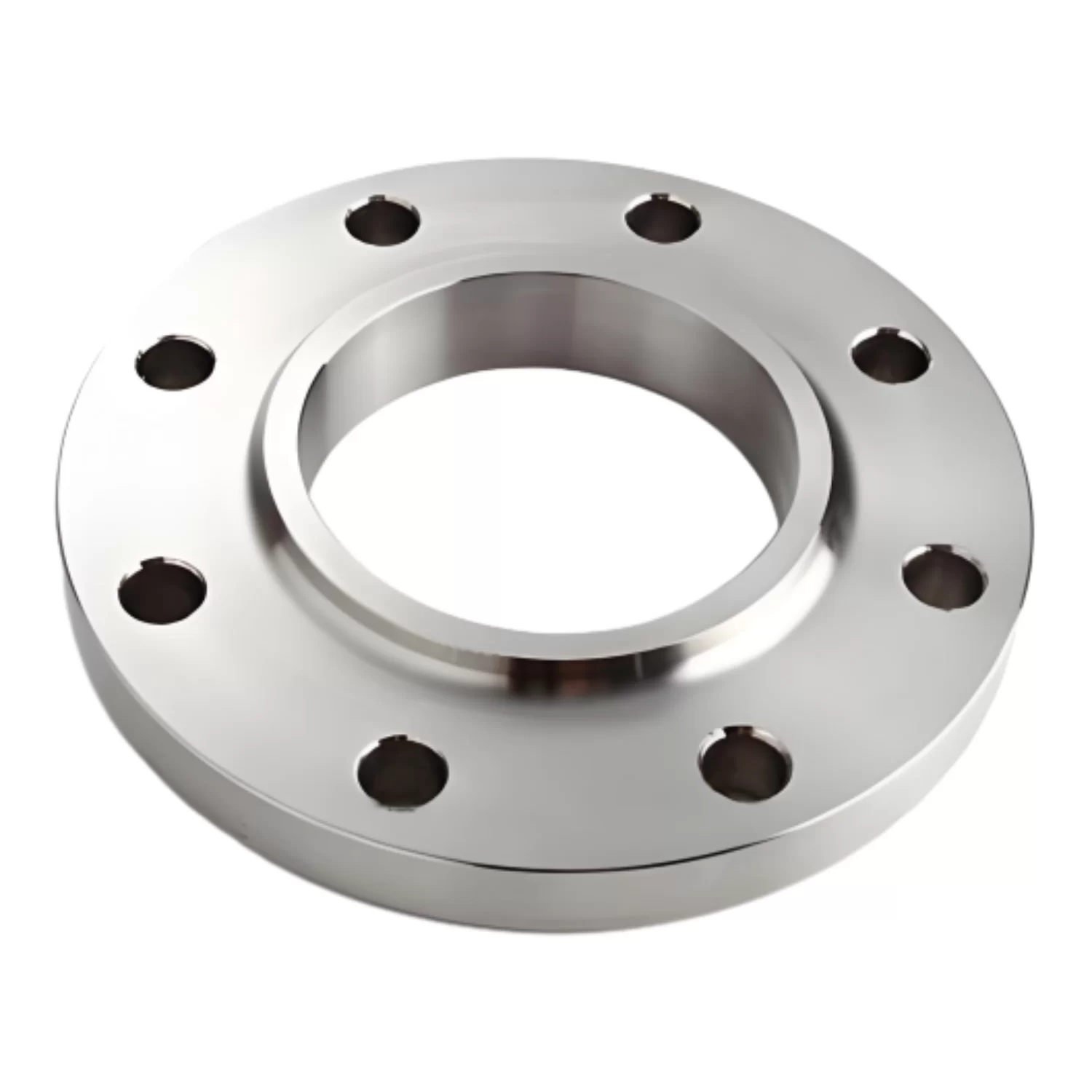
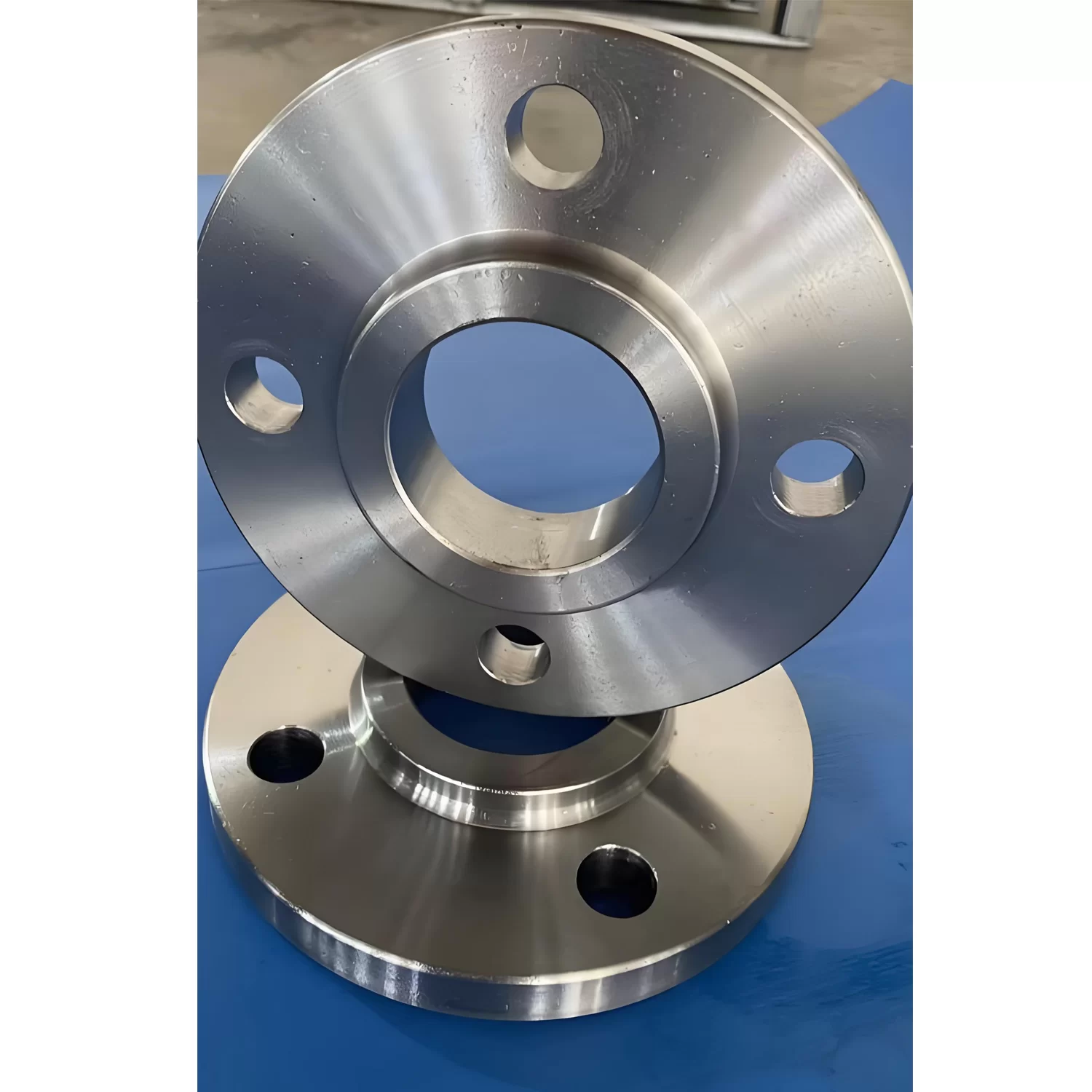
The Slip-On Flange (SO) according to ANSI/ASME B16.5 is a critical structural metal component designed for seamless integration into piping systems. Engineered for versatility and ease of installation, these flanges slide over the pipe and are secured with fillet welds on both the inner and outer surfaces, providing a reliable seal for a wide range of industrial fluid transport applications.
Manufactured from high-grade carbon steel, stainless steel, and alloy steel, our SO flanges ensure exceptional durability and corrosion resistance. By adhering to rigorous ASME B16.5 and B16.47 standards, we provide precision-engineered solutions that balance cost-efficiency with high mechanical performance, making them ideal for low to medium pressure systems across the oil, gas, and chemical sectors.
Detailed Parameters
| Executive Standards | ANSI/ASME B16.5 (Class 150-2500), ASME B16.47 (Class 75-900) | Nominal Pipe Size | 1/2" (15mm) to 60" (1500mm) |
|---|---|---|---|
| Pressure Ratings | Class 150 (PN2.0MPa) to Class 2500 | Material Options | ASTM A105, A182 F304/F316, A350 LF2 |
| Sealing Face Types | Flat Face (FF), Raised Face (RF), MFM, Tongue-Groove (TG) | Thickness (NPS 4") | Class 150: 12.7mm | Class 300: 19.1mm |
| Temperature Range | Carbon Steel: -29℃ to 427℃ | Stainless: up to 870℃ | Machining Tolerance | Flatness ≤0.05mm/m | Hole Position ±0.3mm |
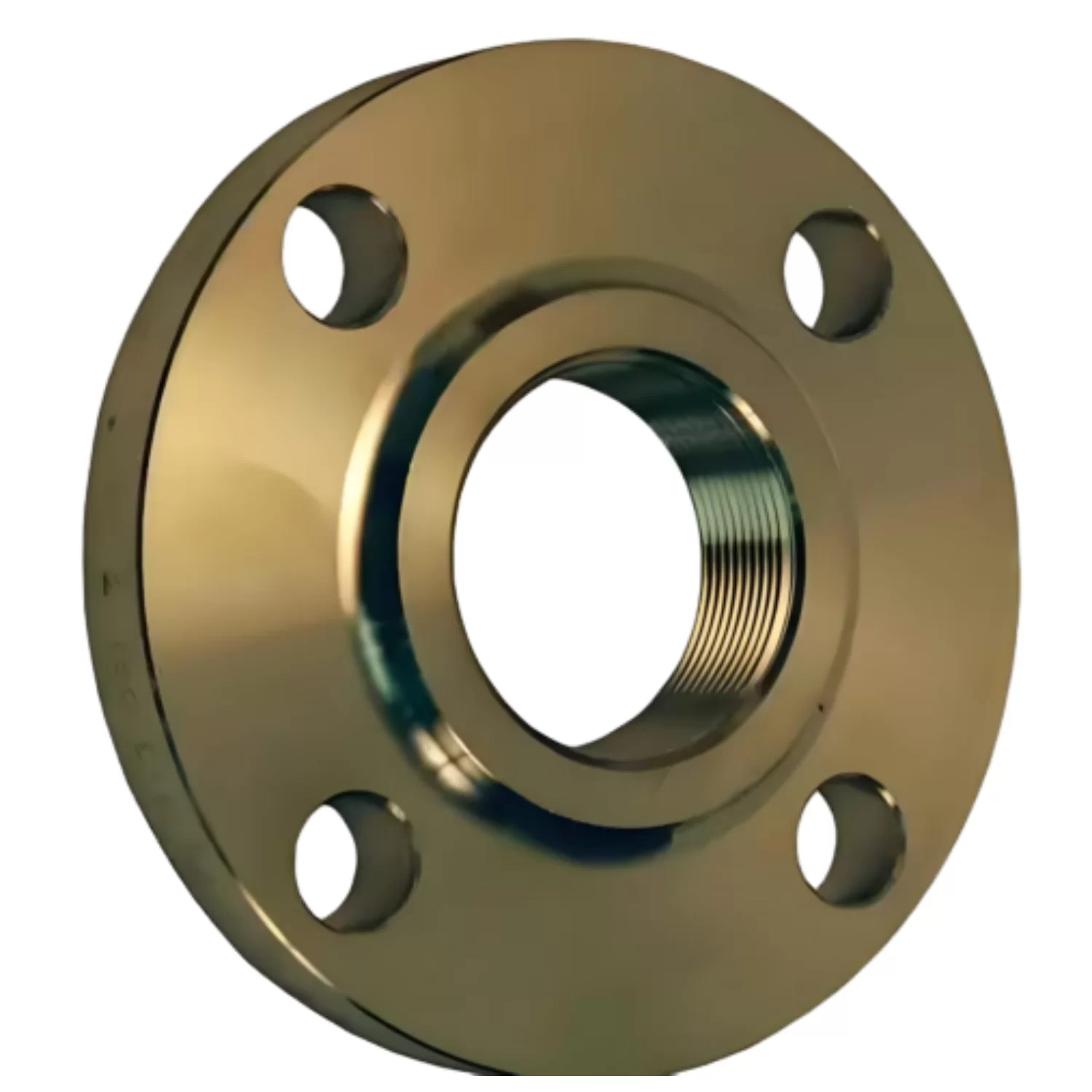
| Testing Protocols | 100% MT for neck welds, UT for Class 1500, Hydrostatic Test | Thread Standard | ASME B1.1 Unified National Coarse (UNC) |
Key Advantages
Superior Corrosion Resistance
Using ASTM A182 F304/F316 stainless steel ensures stability in pH 2-12 environments and seawater treatment systems.
Rapid Installation
The slip-on design allows for faster alignment and simpler outer fillet welding compared to weld-neck types.
Low-Temp Toughness
Alloy Steel (A350 LF2) provides excellent impact energy (≥27J at -46℃) for LNG and liquid nitrogen pipelines.
CNC Precision Machining
Advanced CNC processing ensures extreme flatness and precise bolt circle diameters for leak-proof sealing.
Rigorous NDT Quality
100% Magnetic Particle and Ultrasonic testing eliminates internal defects and welding cracks.
Cost-Effective Solution
Reduced material usage and simplified processing make SO flanges the economical choice for Class 600 and below.
Product Gallery
Management Platforms
Raw Material Traceability
Spectral analysis to verify Cr/Ni content and material grade before production.
Forging Process Control
Open die forging for NPS ≤12" to ensure no folding defects in the flange neck.
Thermal Treatment Management
Normalization at 890-920℃ for carbon steel to eliminate welding stress.
Precision CNC Monitoring
Real-time monitoring of sealing face flatness and bolt hole positional tolerance.
Non-Destructive Testing
Integrated MT and UT inspection platforms for high-pressure safety certification.
Pressure Validation System
Hydrostatic testing at 1.5x design pressure with 30-minute leak-free holding.
Investment Return Comparison
| Comparison Index | Slip-On Flange (SO) | Weld Neck Flange (WN) |
|---|---|---|
| Welding Difficulty | Low (Outer Fillet Weld) | High (Full Penetration Groove) |
| Applicable Pressure | ≤ Class 600 (PN11MPa) | Up to Class 2500 |
| Material & Process Cost | Low (Efficient Production) | High (Complex Neck Structure) |
| Sealing Performance | Medium (Gasket Dependent) | High (Fused Pipe Connection) |
| Typical Application | Water/Air Systems | High-Pressure Oil & Gas |
Frequently Asked Questions
Q: What is the primary difference between Slip-On and Weld Neck flanges?
Slip-On flanges slide over the pipe and use fillet welds, offering lower costs and easier installation, whereas Weld Neck flanges are butt-welded for higher pressure and temperature resistance.
Q: Which material is best for seawater treatment systems?
Stainless Steel (ASTM A182 F304/F316) is highly recommended due to its Cr-Ni alloy composition, which resists acid and alkali corrosion across a pH range of 2 to 12.
Q: How do you ensure the quality of high-pressure flanges?
We employ 100% Magnetic Particle Testing (MT) for neck welds and Ultrasonic Testing (UT) for Class 1500 flanges, combined with hydrostatic pressure tests at 1.5x design pressure.
Q: Can Slip-On flanges be used in cryogenic applications like LNG?
Yes, provided they are manufactured from Alloy Steel (ASTM A350 LF2), which offers the necessary low-temperature toughness (impact energy ≥27J at -46℃).
Q: What are the common sealing face types for ASME B16.5 flanges?
Common types include Flat Face (FF) and Raised Face (RF). For Class 600 and above, Male-Female (MFM) or Tongue-Groove (TG) faces are used to enhance sealing.
Q: How is the material composition verified for stainless steel flanges?
We use spectral analysis on raw materials to ensure precise alloy percentages, such as verifying that Chromium content is ≥18% for Grade 304 stainless steel.
Ready to optimize your piping system with high-precision flanges?
Contact UsMore from this supplier
Cangzhou Weihuan Pipeline Equipment Co.,Ltd.


