
Image not available

Metals & minerals
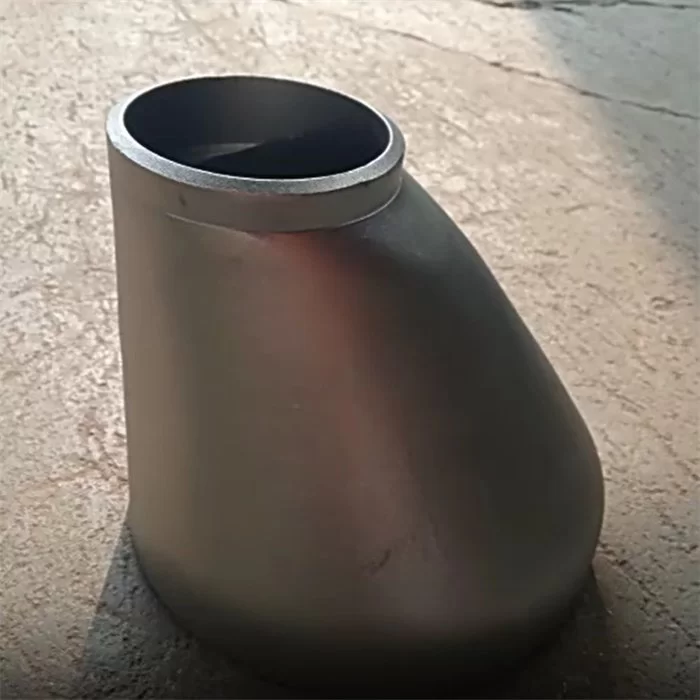
Industrial Eccentric Reducer Pipe Fittings Leading China Factory Suppliers
High-performance Eccentric Reducers from a premier China factory. Our expert suppliers provide precision pipe fittings to prevent cavitation and gas trapping in oil, chemical, and power industries. Compliant with ASME B16.9 standards for global industrial use.
SupplierCangzhou Weihuan Pipeline Equipment Co.,Ltd.www.weihuantube.com
Source categories
About this product
Product information from the supplier.
The Eccentric Reducer is a precision-engineered pipe fitting designed to connect pipelines of differing diameters. Unlike concentric reducers, it features an offset centerline that creates an eccentric structure, making it indispensable for industrial systems where fluid dynamics and pipe positioning are critical. It is widely deployed across the oil, chemical, natural gas, water treatment, and power generation industries to ensure seamless transitions and optimal flow efficiency.
Engineered for high-performance environments, the Eccentric Reducer serves two primary strategic functions: facilitating a smooth transition of fluid media and eliminating problematic accumulation. Depending on the installation, "Concentric at Top" (COT) configurations prevent gas trapping, while "Concentric at Bottom" (COB) designs eliminate liquid pooling, effectively preventing cavitation in pumps and reducing water hammer in steam systems.
Detailed Parameters
| Manufacturing Standard | ANSI/ASME B16.9 Wrought Steel Fittings | Pressure Ratings | ASME B16.5 (Class 150 to 2500) |
|---|---|---|---|
| Size Range | DN15 (1/2") to DN1200 (48") | Wall Thickness | Sch 10, 20, 40, 80, 160, XXS |
| Carbon Steel | ASTM A234 WPB, A105, 20# | Stainless Steel | ASTM A403 304/304L, 316/316L, 321 |
| Alloy Materials | ASTM B366 Cr-Mo, Monel, Inconel, Titanium | Connection Types | Butt Weld (BW), Socket Weld (SW), NPT |
| Bevel Angle | 37.5° ± 2.5° (per ASME B16.25) | Eccentricity (e) | Calculated as (D - d) / 2 |
Key Advantages
Cavitation Prevention
COB-type designs eliminate liquid accumulation at pump inlets, protecting equipment from destructive cavitation.
Gas Venting Efficiency
COT configurations prevent gas trapping at the top of the pipeline, ensuring uninterrupted fluid conveyance.
Low Pressure Loss
Conical transition surfaces minimize eddy currents and turbulence, reducing overall system energy loss.
High-Rigidity Joints
Precision beveled ports ensure superior butt-welding strength for high-pressure industrial applications.
Material Versatility
Available in Carbon, Stainless, and Alloy steels to resist corrosion and withstand extreme temperatures.
Standard Compliance
Strict adherence to ASME and ANSI standards ensures global interoperability and safety certification.
Product Gallery
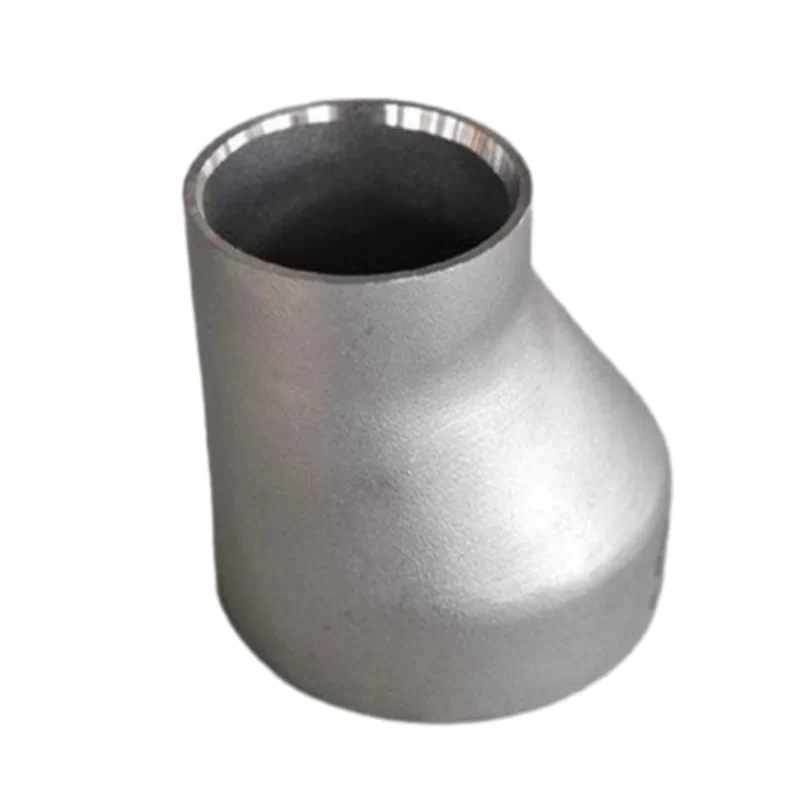
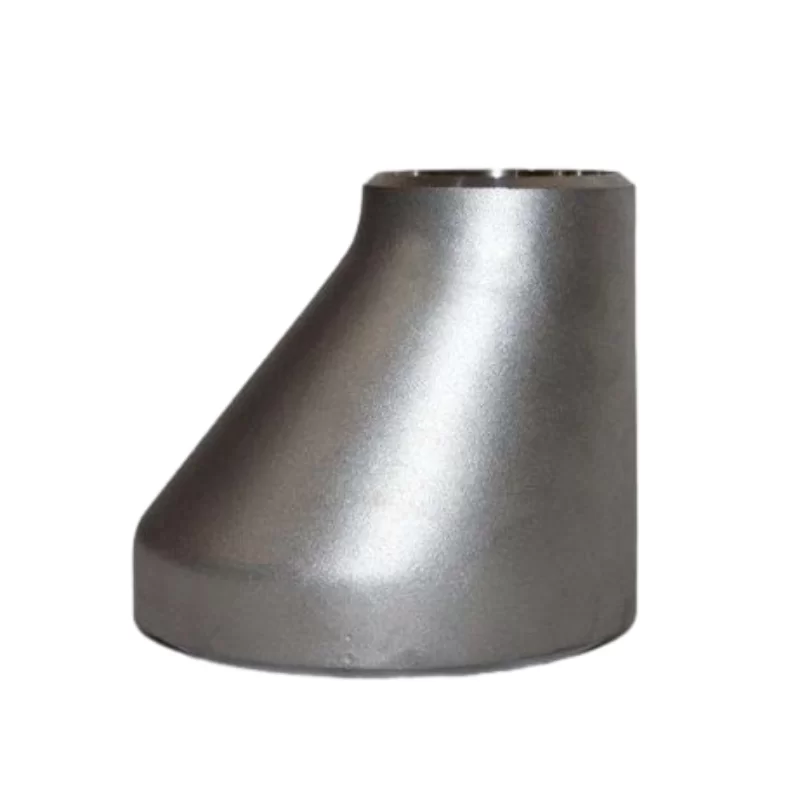
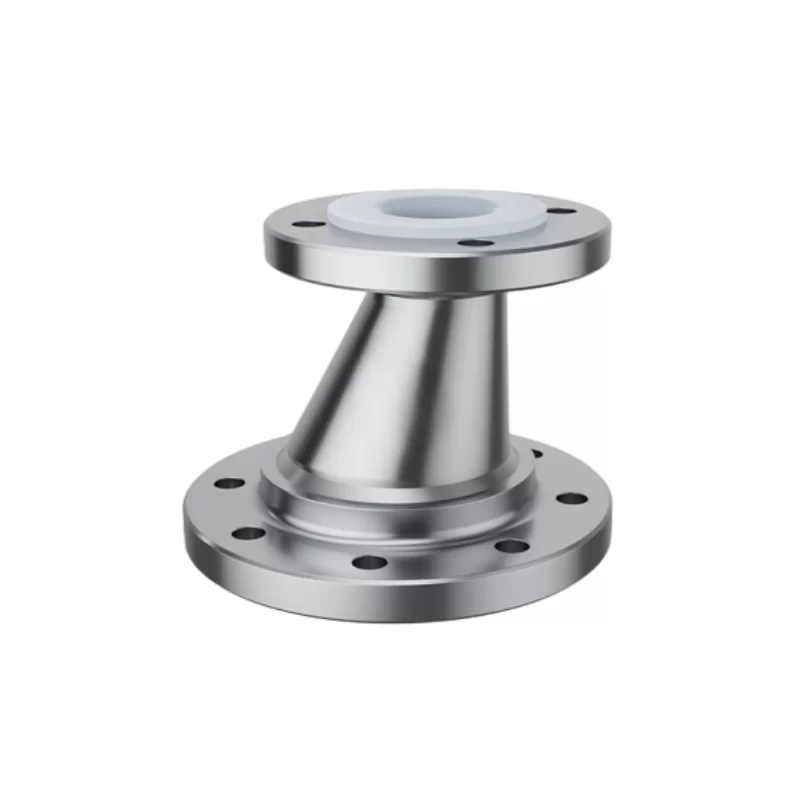
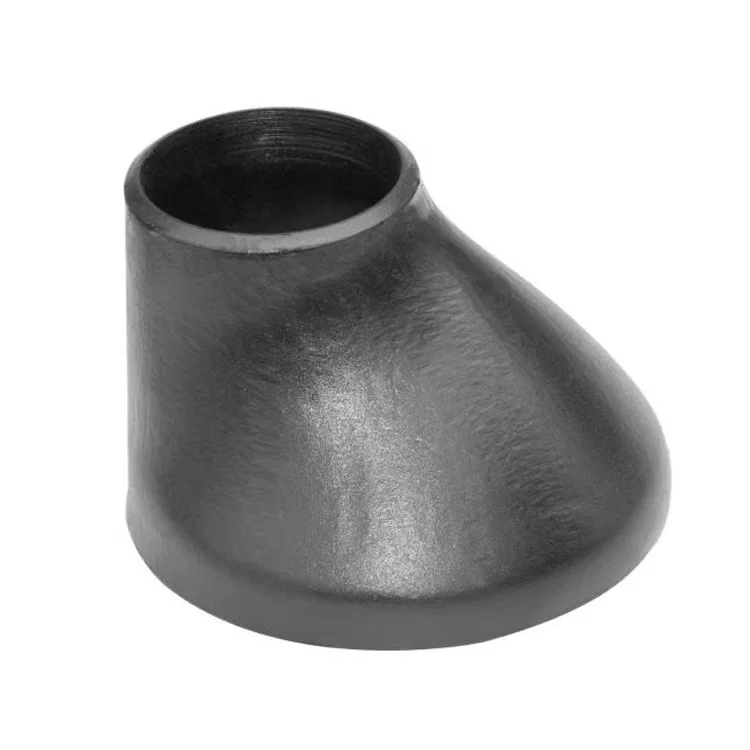
Management Platforms
Inventory Control
Real-time tracking of sizes from DN15 to DN1200 to ensure rapid project deployment.
Quality Assurance
Strict dimensional inspection following ASME B16.9 to ensure zero-defect delivery.
Standard Compliance
Certified material traceability for ASTM A234 and A403 grade specifications.
Custom Engineering
Tailored eccentricity and length parameters for specialized petrochemical units.
Logistics Optimization
Global shipping solutions for heavy-duty structural metal components.
Technical Support
Professional guidance on COT vs COB selection for pump inlet installations.
Investment Return Comparison
| Performance Metric | Standard Reducer | Eccentric Reducer |
|---|---|---|
| Air Pocket Risk | High (Trapping common) | Very Low (COT Optimized) |
| Pump Lifespan | Moderate (Cavitation risk) | Extended (COB Optimized) |
| Fluid Velocity | Variable/Turbulent | Stable/Controlled |
| Maintenance Cost | Higher (Due to vibration) | Lower (Reduced Water Hammer) |
| System Efficiency | Standard | High-Performance |
Frequently Asked Questions
Q: What is the main difference between a concentric and eccentric reducer?
A concentric reducer shares the same centerline for both ends, whereas an eccentric reducer has an offset centerline. This offset allows one side to remain flat, which is critical for preventing gas pockets or liquid accumulation in horizontal pipelines.
Q: When should I choose a COB (Concentric at Bottom) reducer?
A COB reducer should be used at pump suction inlets. By keeping the bottom flat, it prevents liquid from pooling at the bottom of the pipe, which eliminates the risk of cavitation and protects the pump's impeller.
Q: Which materials are best for corrosive chemical environments?
For corrosive media, ASTM A403 Stainless Steel (304L or 316L) is highly recommended. For extreme conditions, we offer nickel-based alloys such as Inconel 600 or Monel 400.
Q: Does the Eccentric Reducer comply with ASME standards?
Yes, our products are manufactured according to ANSI/ASME B16.9 for dimensions and ASME B16.25 for beveling, ensuring they meet international safety and quality benchmarks.
Q: How is the eccentricity (e) calculated for these fittings?
The eccentricity is calculated as e = (D - d) / 2, where 'D' is the outer diameter of the large end and 'd' is the outer diameter of the small end.
Q: Can I use these reducers for high-temperature steam systems?
Absolutely. Our alloy steel options (ASTM B366 Cr-Mo) are specifically designed for high-temperature and high-pressure steam systems to prevent water hammer and vibration.
Ready to Optimize Your Pipeline Efficiency?
Contact UsMore from this supplier
Cangzhou Weihuan Pipeline Equipment Co.,Ltd.


