
Image not available
Plastics & rubber
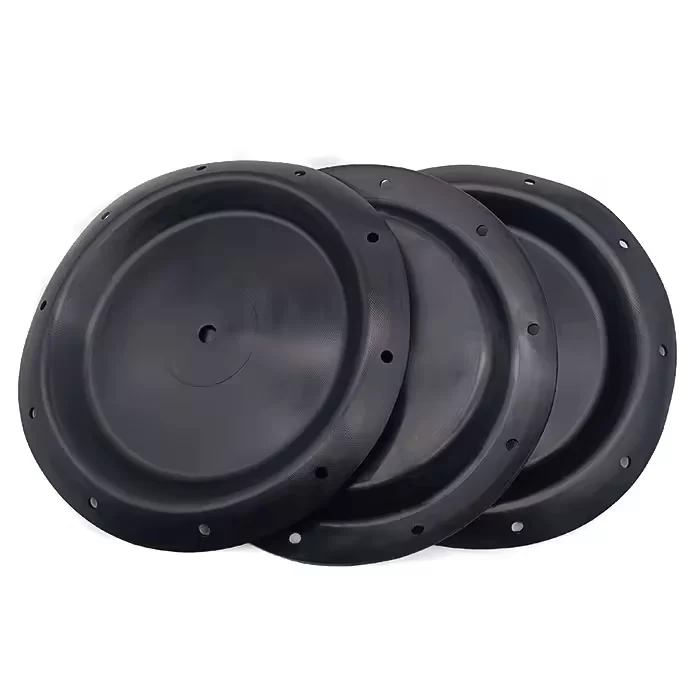
Long Service Life Pneumatic Diaphragm Pump Silicone Rubber Diaphragm
<p>sealing component designed for stable and efficient fluid transfer in pneumatic diaphragm pump systems. Made from premium silicone rubber, it offers excellent flexibility, chemical stability, and resistance to aging, ensuring reliable performance even under continuous operation.</p><p>This diaphragm is ideal for applications requiring clean, non-reactive, and durable material performance, such as food processing,…
SupplierShenZhen GuangYuFeng Rubber Co., Ltd.www.gyfsilicone.com
Source categories
About this product
Product information from the supplier.
The Long Service Life Pneumatic Diaphragm Pump Silicone Rubber Diaphragm is a high-performance sealing and pumping component designed for use in pneumatic diaphragm pumps. It is manufactured from premium-grade silicone rubber, offering excellent flexibility, chemical stability, and long-term durability under continuous working conditions.
High-Quality Silicone Material
This diaphragm is made from carefully selected silicone rubber, known for its outstanding resistance to aging, oxidation, and temperature variations. Compared with conventional rubber materials, silicone maintains stable physical properties even after long periods of operation, ensuring reliable pump performance and reduced downtime.
Excellent Flexibility and Sealing Performance
The diaphragm is engineered with superior elasticity, allowing smooth reciprocating motion during pump operation. This flexibility ensures consistent sealing performance, preventing fluid leakage and maintaining stable pressure within the system. It also helps reduce mechanical wear, extending the overall service life of the pump.
Wide Chemical and Temperature Resistance
Silicone rubber offers strong resistance to a wide range of chemicals, water-based fluids, and mild corrosive media. It also performs well in both high and low temperature environments, making it suitable for demanding industrial applications where stable performance is required across varying conditions.
Long Service Life and Low Maintenance
One of the key advantages of this diaphragm is its long operational lifespan. Its wear-resistant and fatigue-resistant properties significantly reduce the frequency of replacement, helping to lower maintenance costs and improve overall system efficiency. This makes it a cost-effective solution for continuous production environments.
Wide Range of Applications
This silicone rubber diaphragm is widely used in industries such as chemical processing, food and beverage production, pharmaceuticals, water treatment, and general industrial fluid transfer systems. Its clean and stable material properties make it especially suitable for applications requiring high purity and reliability.
The Long Service Life Pneumatic Diaphragm Pump Silicone Rubber Diaphragm combines durability, flexibility, and chemical resistance in one reliable component. It is an ideal choice for operators seeking stable pump performance, reduced downtime, and extended service life in a wide range of industrial applications.
Product Advantage
Long Service Life: Made from high-quality silicone rubber, the diaphragm offers excellent fatigue resistance, ensuring stable performance during long-term reciprocating operation and reducing replacement frequency.
Excellent Temperature Resistance: Performs reliably under both high and low temperature conditions while maintaining elasticity and sealing performance, suitable for demanding working environments.
Superior Chemical Stability: Resistant to a wide range of media, including water-based fluids, mild corrosive liquids, and various industrial chemicals, ensuring safe and stable operation.
High Flexibility & Strong Sealing Performance: The silicone material provides excellent elasticity, ensuring tight sealing during pump operation and effectively preventing leakage to improve pumping efficiency.
Reduced Maintenance Cost: Its outstanding wear resistance and anti-aging properties significantly reduce downtime and maintenance frequency, lowering overall operational costs.
Wide Application Range: Suitable for chemical processing, food and beverage, pharmaceuticals, water treatment, and industrial fluid transfer systems, offering strong versatility across industries.
Why Does Silicone Rubber Diaphragm Offer a Longer Service Life in Pneumatic Pumps?
Silicone rubber diaphragms are widely used in pneumatic diaphragm pumps because they provide a longer service life, stable performance, and reliable sealing capability under continuous working conditions. Compared with many traditional elastomer materials, silicone rubber stands out due to its unique molecular structure and excellent physical properties, making it highly suitable for long-term industrial fluid handling applications.
One of the main reasons for the extended service life is silicone’s excellent flexibility and fatigue resistance. Pneumatic diaphragm pumps rely on continuous reciprocating motion, which places repeated stress on the diaphragm. Silicone rubber maintains its elasticity even after millions of cycles, reducing the risk of cracking, deformation, or permanent set. This ensures consistent pump operation over long periods.
Another key factor is its superior temperature resistance. Silicone rubber can typically perform in a wide temperature range, from very low to relatively high operating conditions, without losing its mechanical stability. This makes it ideal for environments where temperature fluctuations are frequent, helping prevent premature material degradation.
Silicone also offers strong aging resistance, including resistance to ozone, UV exposure, and oxidation. These factors are common causes of deterioration in many rubber materials, but silicone maintains its structure and performance over time, contributing directly to a longer service life.
In addition, silicone rubber provides good chemical stability when handling water-based fluids, mild chemicals, and certain industrial media. This reduces swelling, hardening, or material breakdown, which are common failure modes in diaphragm applications.
From a maintenance perspective, the durability of silicone diaphragms helps reduce downtime and replacement frequency. This not only improves system efficiency but also lowers overall operational costs in long-term use.
Silicone Rubber vs EPDM vs PTFE: Which Diaphragm Material Performs Best?
Choosing the right diaphragm material—silicone rubber, EPDM, or PTFE—depends on the specific working conditions of the pneumatic diaphragm pump, including temperature, chemical exposure, and mechanical stress.
Silicone Rubber
Silicone rubber is valued for its flexibility, temperature stability, and long service life. It performs well in applications requiring clean, stable, and elastic materials. It is commonly used in food processing, pharmaceutical, and general industrial systems. However, its resistance to strong chemicals and abrasive media is moderate compared to PTFE.
EPDM (Ethylene Propylene Diene Monomer)
EPDM is known for its excellent resistance to water, steam, and weathering effects. It performs particularly well in outdoor or water-based applications such as wastewater treatment and cooling systems. However, EPDM is not suitable for petroleum-based fluids or strong oil environments, which limits its use in certain industrial hydraulic or chemical systems.
PTFE (Polytetrafluoroethylene)
PTFE is considered the top performer in chemical resistance. It can handle highly corrosive chemicals, strong acids, and aggressive solvents, making it ideal for demanding chemical processing environments. Its main drawbacks are lower elasticity and higher cost. PTFE diaphragms are less flexible and may require reinforcement to handle repeated mechanical stress.
There is no single “best” diaphragm material. Silicone rubber is best for flexible, long-life, and moderate chemical environments, EPDM is ideal for water-based and weather-resistant applications, while PTFE is the best choice for extreme chemical resistance. Selecting the correct material ensures optimal pump performance, reduced maintenance, and longer equipment lifespan.
More from this supplier
ShenZhen GuangYuFeng Rubber Co., Ltd.


