
Image not available
Plastics & rubber
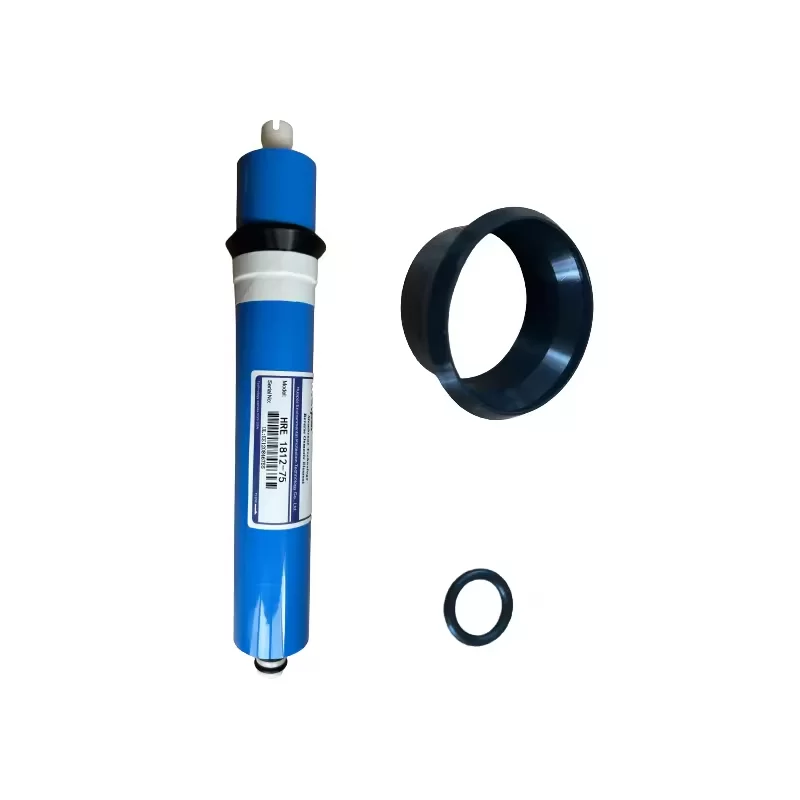
Rubber Sealing Ring Silicon Ring for RO Membrane Elements O-rings
<p>Rubber Sealing Ring Silicone O-Ring for RO Membrane Elements is designed to provide reliable sealing performance in reverse osmosis systems. Made from high-quality silicone rubber, it offers excellent resistance to water, chemicals, and aging, ensuring long-term durability and stable operation. With precise dimensions and strong elasticity, it effectively prevents leakage and maintains efficient filtration perfor…
SupplierShenZhen GuangYuFeng Rubber Co., Ltd.www.gyfsilicone.com
Source categories
About this product
Product information from the supplier.
The Rubber Sealing Ring Silicone O-Ring is specially designed for RO (Reverse Osmosis) membrane elements, providing a secure and reliable sealing solution in water treatment systems. Manufactured from high-quality silicone rubber material, it ensures excellent elasticity, durability, and long-term stability under continuous operating conditions.
This O-ring is engineered to maintain a tight seal between membrane components, effectively preventing water leakage and ensuring consistent filtration efficiency. Its superior resistance to water, chemicals, temperature variations, and aging makes it suitable for demanding industrial and residential RO applications.
With precise dimensional control and smooth surface finishing, the sealing ring guarantees easy installation and a perfect fit with RO membrane housings. It helps reduce maintenance frequency and improves the overall lifespan of the filtration system.
Key Features
High-quality silicone rubber material
Excellent sealing and leak prevention performance
Strong resistance to chemicals, water, and aging
Stable performance in long-term operation
Precise sizing for easy installation
Application
Widely used in RO water purification systems, water treatment equipment, and filtration membrane assemblies, ensuring safe and efficient system performance.
RO Membrane O-Rings: High Performance Silicone Rubber Sealing Solutions
Reverse osmosis (RO) systems rely heavily on precise sealing components to maintain operational efficiency and prevent leakage under high-pressure conditions. Among these components, O-rings play a critical role in ensuring the integrity of RO membrane elements. High performance silicone rubber O-rings have become a preferred sealing solution due to their excellent flexibility, durability, and resistance to a wide range of environmental factors.
Silicone rubber O-rings are particularly well-suited for RO membrane applications because of their superior temperature resistance. They can maintain elasticity and sealing performance across a broad temperature range, typically from -60°C to 200°C. This makes them ideal for both standard and variable operating environments, including systems exposed to fluctuating temperatures or sterilization processes.
In addition to thermal stability, silicone O-rings offer excellent resistance to water, ozone, and UV exposure. In RO systems, where components are constantly in contact with purified or treated water, material stability is essential to prevent degradation. Unlike some traditional rubber materials, silicone does not easily harden, crack, or lose its sealing properties over time, ensuring long-term reliability and reduced maintenance costs.
Another important advantage of silicone rubber sealing rings is their compliance with food-grade and medical-grade standards. Many RO systems are used in drinking water treatment, food processing, and pharmaceutical industries, where material safety is a top priority. High-quality silicone O-rings can meet FDA, NSF, and other regulatory requirements, making them suitable for sensitive applications.
From a design perspective, O-rings used in RO membrane elements must provide a tight seal within membrane housings, preventing bypass flow and ensuring proper filtration efficiency. Precision manufacturing and consistent material quality are essential to achieve optimal compression set and sealing force. Custom sizing options are often available to match different membrane standards such as 4040 and 8040 elements.
Furthermore, silicone O-rings can be engineered with specific formulations to enhance properties such as tear resistance, compression set, and chemical compatibility. This allows manufacturers to tailor sealing solutions based on system requirements, including exposure to cleaning chemicals or varying pressure conditions.
In conclusion, high performance silicone rubber O-rings offer a reliable, durable, and compliant sealing solution for RO membrane systems. Their combination of flexibility, environmental resistance, and safety makes them an ideal choice for modern water treatment applications. By selecting the right O-ring material and design, system operators can significantly improve performance, extend equipment lifespan, and reduce the risk of leakage or failure.
Silicone O-Ring Material Performance in RO Membrane Applications
The performance of sealing materials is a key factor in the efficiency and reliability of reverse osmosis (RO) membrane systems. Among various elastomer options, silicone rubber has gained significant attention due to its unique material properties. Understanding the performance characteristics of silicone O-rings in RO membrane applications is essential for selecting the right sealing solution.
Silicone rubber is known for its outstanding flexibility and elasticity, which enables O-rings to maintain an effective seal even under dynamic pressure conditions. In RO systems, where high pressure is required to drive water through semi-permeable membranes, maintaining consistent sealing force is critical. Silicone O-rings exhibit low compression set, meaning they can return to their original shape after prolonged compression, ensuring long-term sealing performance.
One of the most notable properties of silicone material is its excellent thermal stability. RO systems may operate in environments where temperatures fluctuate or require periodic hot water sanitization. Silicone O-rings can withstand these conditions without significant degradation, maintaining both mechanical integrity and sealing capability.
Chemical compatibility is another important aspect of material performance. In RO membrane applications, O-rings may be exposed to various cleaning agents, disinfectants, and water treatment chemicals. Silicone offers good resistance to many of these substances, although compatibility should always be evaluated based on specific chemical exposure. For applications involving aggressive chemicals, modified silicone compounds or alternative materials may be considered.
Silicone also performs well in terms of environmental resistance. It is highly resistant to ozone, UV radiation, and moisture, making it suitable for both indoor and outdoor RO systems. This stability reduces the likelihood of material aging and cracking, which can compromise sealing effectiveness over time.
In addition to physical and chemical properties, silicone O-rings are valued for their safety and compliance. High purity silicone materials can meet stringent regulatory standards such as FDA and NSF, making them suitable for potable water systems. This is particularly important in applications where water quality and safety are critical.
However, it is important to note that silicone rubber has relatively lower mechanical strength and abrasion resistance compared to some other elastomers like EPDM or NBR. Therefore, in applications involving high mechanical stress or frequent movement, careful design considerations must be made to prevent damage or premature wear.
Overall, silicone O-rings provide a balanced combination of flexibility, thermal resistance, and environmental stability, making them a strong candidate for RO membrane sealing applications. By understanding their material performance characteristics and limitations, engineers and system designers can make informed decisions to optimize system reliability and efficiency.
More from this supplier
ShenZhen GuangYuFeng Rubber Co., Ltd.


