
Image not available
Non-metallic minerals
Low Density Hollow Glass Microspheres Factory Leading China Suppliers
Premium low density hollow glass microspheres from a leading China factory. Our professional suppliers provide high-strength borosilicate glass particles for coatings, oilfield cementing, and aerospace composites, offering exceptional thermal insulation and chemical stability.
SupplierShijiazhuang Fengersheng Mining Co., Ltd.www.fesmining.com
Source categories
About this product
Product information from the supplier.
Product Overview
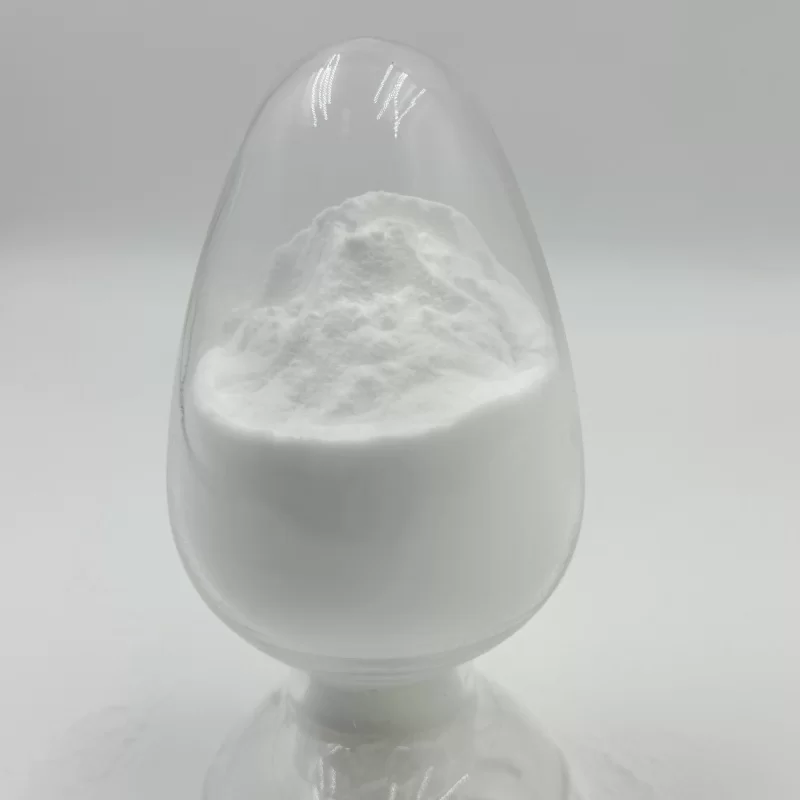
Our Low-Density Hollow Glass Microspheres are high-performance, micro-scale hollow particles composed of alkali-lime borosilicate glass. Featuring a brilliant shiny surface and an engineered internal void, these microspheres provide a critical balance of ultra-low density and high mechanical strength, making them indispensable for advanced industrial lightweighting.
Engineered for versatility, these spheres offer exceptional thermal insulation, outstanding electrical resistivity, and superior resistance to acids, alkalis, and high temperatures. They are widely integrated into syntactic foams, anti-corrosion coatings, oilfield cementing, and lightweight transportation components to optimize material efficiency and structural performance.
Detailed Parameters
| True Density (g/cm³) | 0.58 - 0.62 | Compressive Strength (psi) | 12,000 / Qualified |
|---|---|---|---|
| Particle Size D50 (μm) | 40 / 33.09 | Particle Size D90 (μm) | 70 / 62.11 |
| Bulk Density (g/cm³) | 0.29 - 0.34 | Floatation Rate (%) | ≥95% / 98% |
| Moisture Content (%) | ≤0.3% / 0.15% | Common Size Range | 2 - 130 μm |
| Chemical Composition | Alkali-lime borosilicate glass | Customization | Available upon request |
Key Advantages
Chemical Stability
Exceptional resistance to acid and alkali environments ensures long-term durability in harsh industrial applications.
Thermal Resistance
High-temperature stability and low thermal conductivity make it ideal for insulation and energy-saving projects.
Ultra-Low Density
Significantly reduces the overall weight of composite materials without sacrificing critical structural integrity.
Electrical Insulation
Outstanding electrical insulation performance prevents leakage and protects sensitive electronic components.
Superior Fluidity
Excellent flow characteristics ensure easy mixing and uniform distribution within resins and coatings.
Mechanical Strength
High compressive strength allows the spheres to maintain their shape under significant industrial pressure.
Product Gallery


Management Platforms
Quality Control
Strict adherence to borosilicate glass purity standards for every production batch.
Custom Sizing
Tailored particle size distributions from 2μm to 130μm to meet specific project needs.
Supply Chain
Optimized logistics for global delivery of fragile mineral and glass materials.
Tech Support
Professional guidance on integrating microspheres into epoxy or resin systems.
Inventory Mgmt
Large-scale warehousing ensuring steady supply for high-volume industrial orders.
R&D Innovation
Continuous improvement in compressive strength and density ratios.
Investment Return Comparison
| Performance Metric | Standard Fillers | Hollow Glass Microspheres |
|---|---|---|
| Material Weight | Heavy / High Density | Ultra-Lightweight |
| Thermal Conductivity | Moderate to High | Very Low (Insulating) |
| Structural Volume | Standard | Optimized (Low Shrinkage) |
| Chemical Resistance | Variable | High (Acid/Alkali Proof) |
| Energy Efficiency | Baseline | Significantly Enhanced |
Frequently Asked Questions
Q: What are the primary benefits of using hollow glass microspheres in coatings?
They provide significant weight reduction, improve thermal insulation, and enhance the anti-corrosion properties of the coating while maintaining high mechanical strength.
Q: Can these microspheres be customized for specific particle sizes?
Yes, while common sizes range from 2-130 µm, we accept customization requests to match your specific technical requirements.
Q: How do these spheres perform in oilfield cementing operations?
Their low density and high compressive strength allow for the creation of lightweight cements that reduce hydrostatic pressure on the formation without losing structural integrity.
Q: Are hollow glass microspheres chemically stable?
Yes, they are made from alkali-lime borosilicate glass, which provides excellent stability and resistance to most acids and alkalis.
Q: What is the difference between true density and bulk density in these products?
True density refers to the density of the material itself (including the hollow core), while bulk density includes the air space between the particles in a container.
Q: Which industries benefit most from these low-density materials?
Industries focusing on lightweight transportation, aerospace, high-end construction (energy saving), and marine syntactic foams benefit the most.
Ready to Optimize Your Material Performance?
Contact UsMore from this supplier
Shijiazhuang Fengersheng Mining Co., Ltd.


