Image not available
Metals & minerals
FeC Composite Pellets for BOF China Suppliers and Factory
High-performance Fe-C composite pellets for BOF from a leading China factory. Our professional suppliers provide spherical alloy materials to reduce tap-to-tap time and production costs while ensuring clean steel quality.
SupplierXingtai Luxi Environmental Protection Technology Co., Ltd.www.xingtailuxi.com
Source categories
About this product
Product information from the supplier.
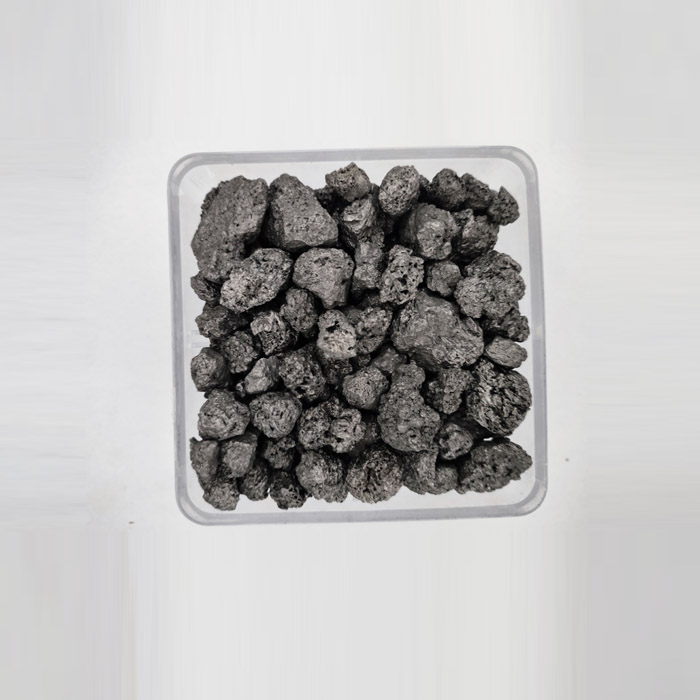
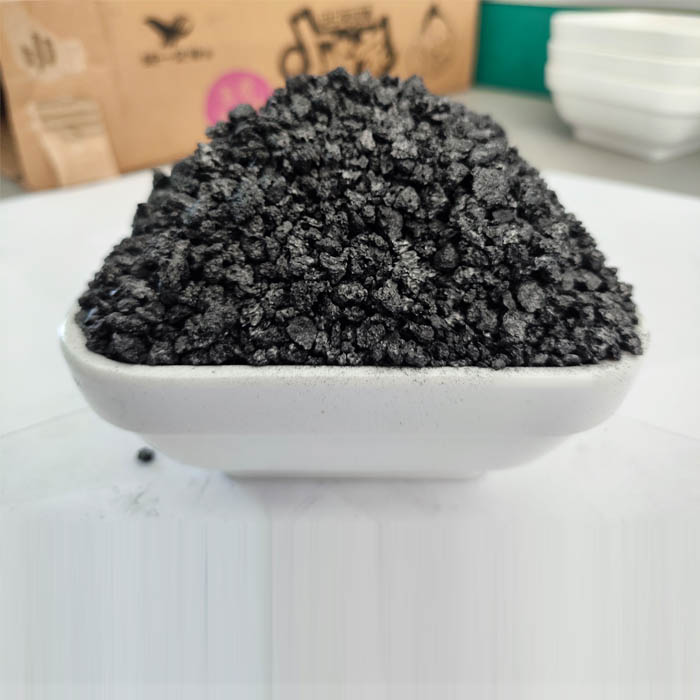
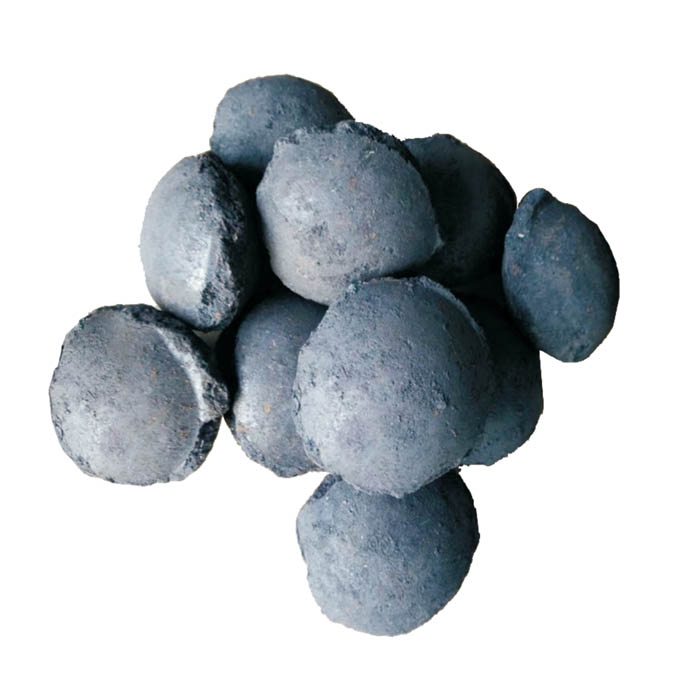
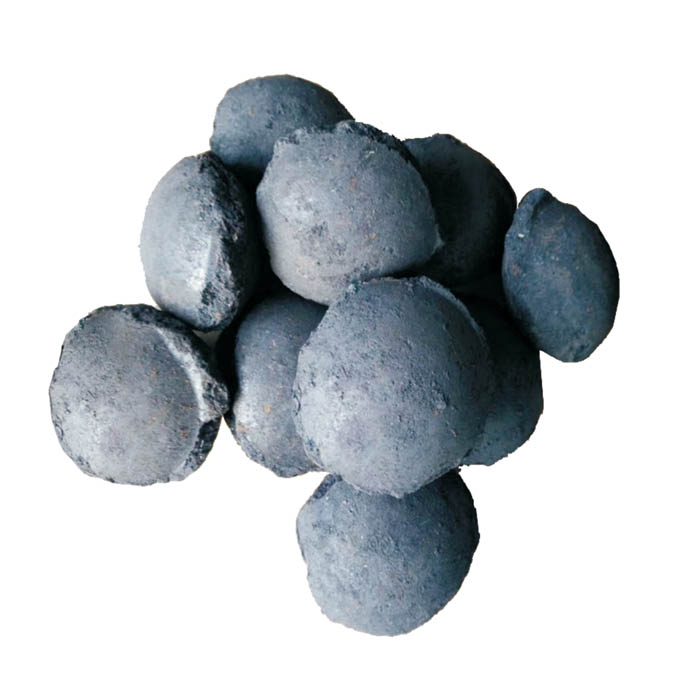
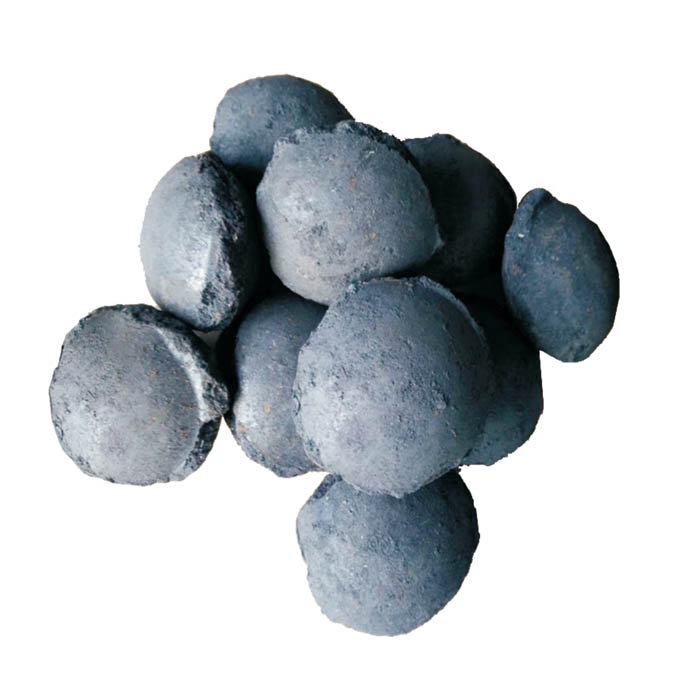
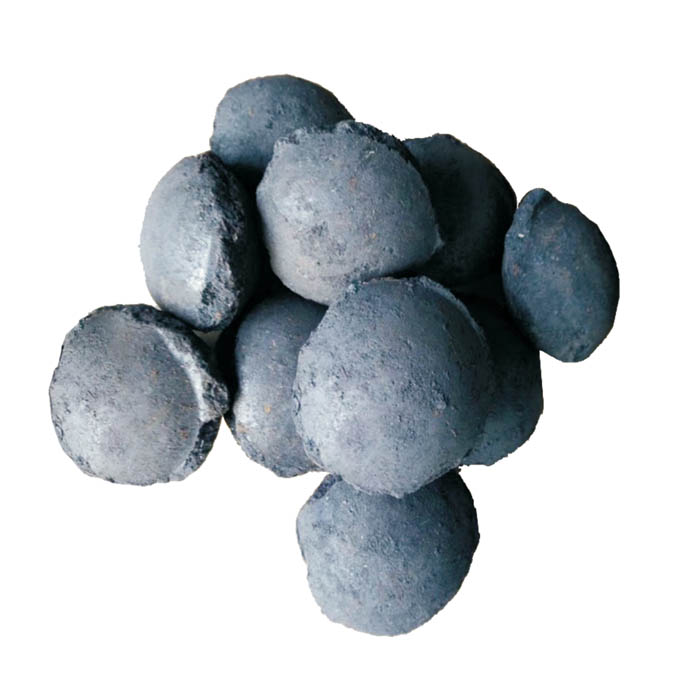
Fe-C Composite Pellets for BOF (Basic Oxygen Furnace) are high-performance spherical alloy materials engineered using advanced composite technology. By precisely blending iron powder and carbon powder, these pellets offer superior oxidation and corrosion resistance, along with excellent elasticity and extensibility, making them an essential additive for modern steel-making processes.
Designed to optimize the efficiency of steel production, Fe-C composite pellets significantly reduce tap-to-tap time and production costs while enhancing the overall safety and quality of the final steel products. Their low trace element profile ensures the production of clean, high-grade steel tailored to rigorous industrial standards.
Detailed Parameters
| Grade Model | LXTHJ45 / LXTHJ40 | Iron Content (Fe) | ≥45% / ≥40% |
|---|---|---|---|
| Carbon Content (C) | ≥22% / ≥25% | Silica (SiO2) | ≤15% / ≤10% |
| Sulfur (S) | ≤0.2% / ≤0.4% | Phosphorus (P) | ≤0.08% / ≤0.1% |
| Material Form | Spherical Pellets | Customization | Available upon request |
| Delivery Port | Xingang Port / Qingdao Port | Packaging | As per customer requirements |
Key Advantages
Oxidation Resistance
Advanced composite structure prevents premature carbon loss and oxidation during charging.
Reduced Cycle Time
Significantly shortens tap-to-tap time, increasing the overall throughput of the converter.
Thermal Efficiency
Increases BOF end-point temperature by approximately 1.4°C per 1kg/ton added.
Cost Optimization
Reduces steel material consumption by about 1.2kg/ton for every 1kg/ton of pellets used.
Clean Steel Production
Ultra-low trace element content ensures high purity and superior quality of finished steel.
Enhanced Safety
Optimized physical properties improve the stability and safety of the steel-making process.
Product Gallery
Management Platforms
Loading Control
Maintain standard loading protocols for molten iron and scrap for optimal balance.
Charging Sequence
Add pellets after scrap loading and before blowing to maximize alloy recovery.
Dosage Management
Recommended total addition ≥15kg/ton, distributed in 2-3kg/ton batches.
Slag Monitoring
Adjust addition frequency based on real-time temperature and slag melting status.
Material Integration
Seamlessly integrate with existing bulk material addition schedules.
Performance Tracking
Conduct rigorous data statistics to optimize loading times and amounts.
Investment Return Comparison
| Performance Indicator | Traditional Methods | Fe-C Composite Pellets |
|---|---|---|
| Thermal Gain | Baseline | +1.4°C / 1kg/ton |
| Material Savings | Standard Loss | -1.2kg/ton Steel |
| Production Cycle | Longer Tap-to-Tap | Shortened Cycle Time |
| Steel Purity | Variable Trace Elements | High-Grade Clean Steel |
| Operational Cost | Higher Unit Cost | Reduced Production Costs |
Frequently Asked Questions
Q: What are Fe-C composite pellets primarily used for?
They are used as alloy materials in Basic Oxygen Furnaces (BOF) to improve steel-making efficiency, reduce production costs, and enhance the quality of the resulting steel.
Q: How do these pellets affect the end-point temperature of the BOF?
Adding 1kg of Fe-C composite pellets per ton of steel can increase the end-point temperature by approximately 1.4 degrees Celsius.
Q: Can these pellets help in producing clean steel?
Yes, due to their low content of trace elements, Fe-C composite pellets are ideal for the production of high-purity, clean steel.
Q: What is the recommended addition amount in the converter?
The total amount added should not be less than 15kg/ton, typically added in batches of 2-3kg/ton depending on temperature and slag conditions.
Q: When should the pellets be added during the steel-making process?
They should be added after the loading of scrap and before the blowing process begins.
Q: Are custom specifications available for Fe-C alloy products?
Yes, we can provide high-grade, low-trace element products customized according to specific customer requests.
Optimize Your Steel Production Efficiency Today
Contact UsMore from this supplier
Xingtai Luxi Environmental Protection Technology Co., Ltd.