Image not available
Metals & minerals
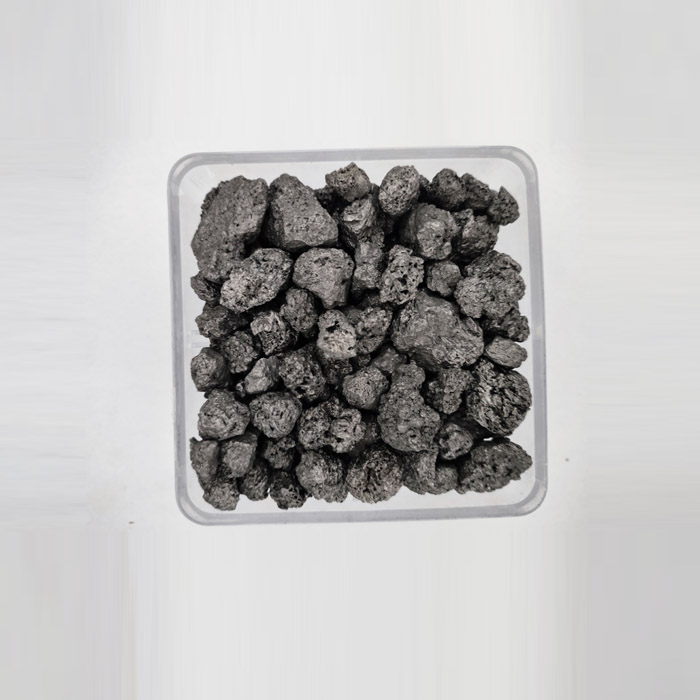
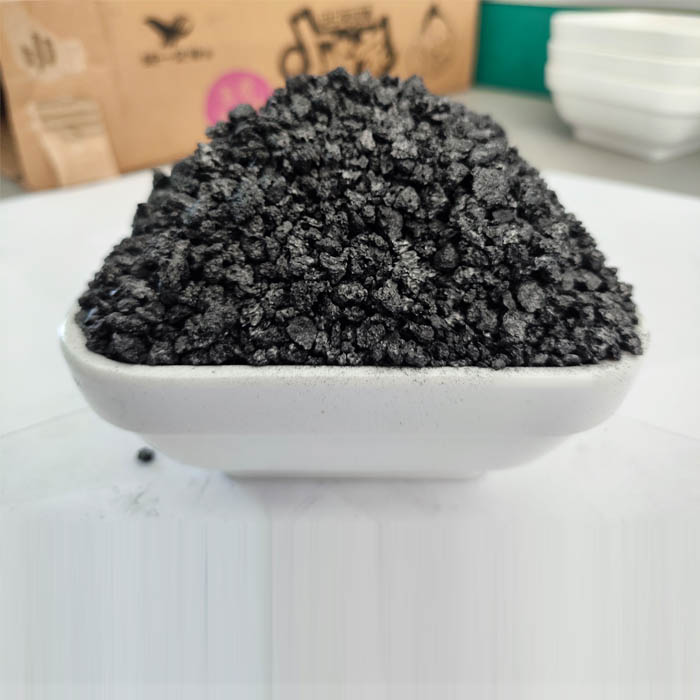
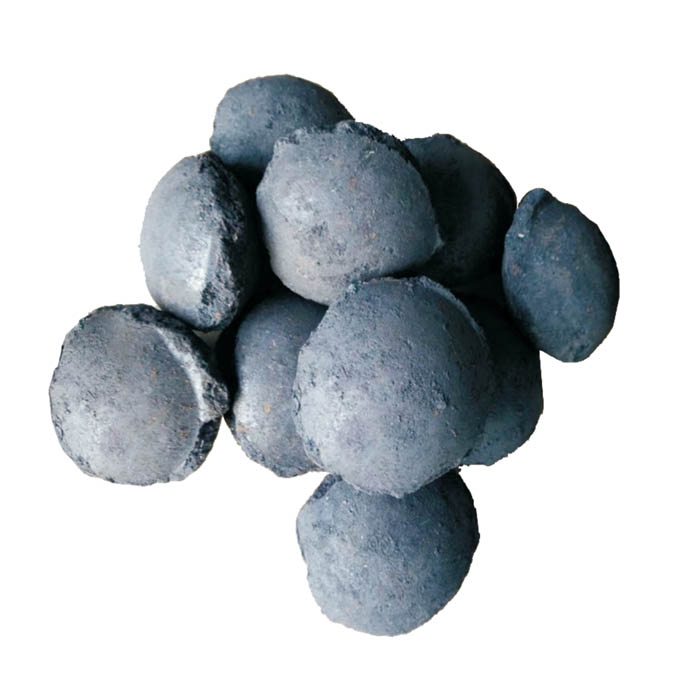
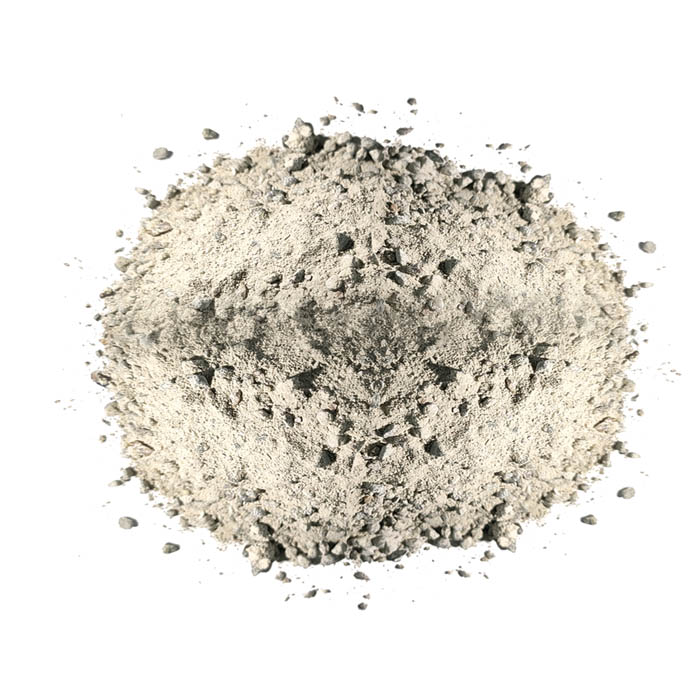
High Performance Tundish Dry Vibration Material China Suppliers Factory
Premium non-toxic Tundish Dry Vibration Material from leading China suppliers factory. High efficiency reduces labor intensity and cost per ton with continuous casting over 35 hours, superior erosion resistance, and easy decoating.
SupplierXingtai Luxi Environmental Protection Technology Co., Ltd.www.xingtailuxi.com
Source categories
About this product
Product information from the supplier.
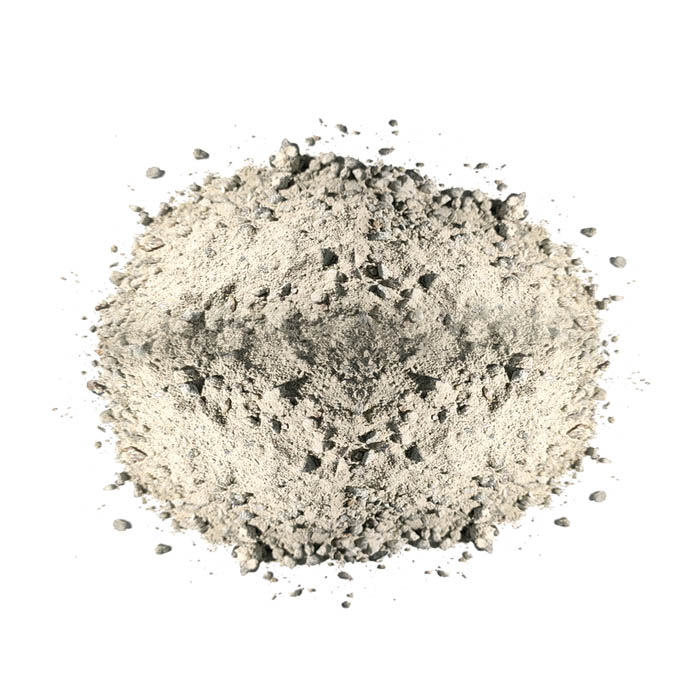
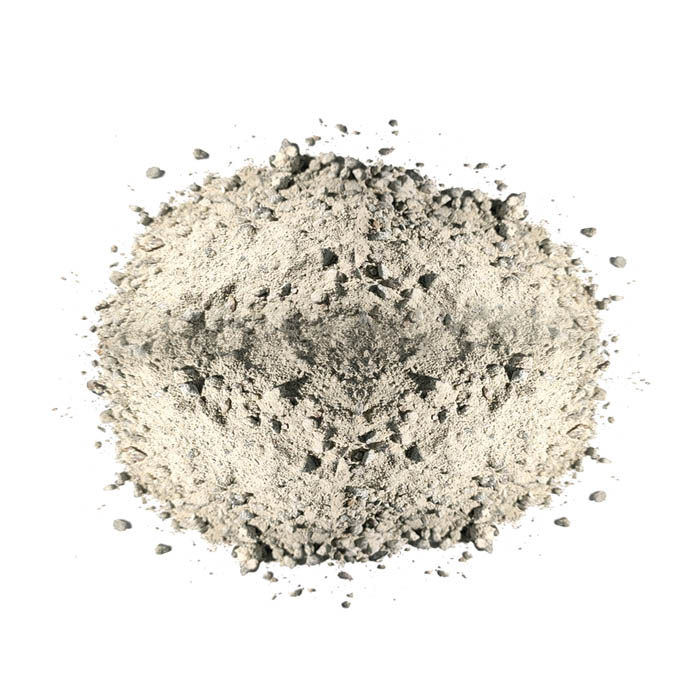
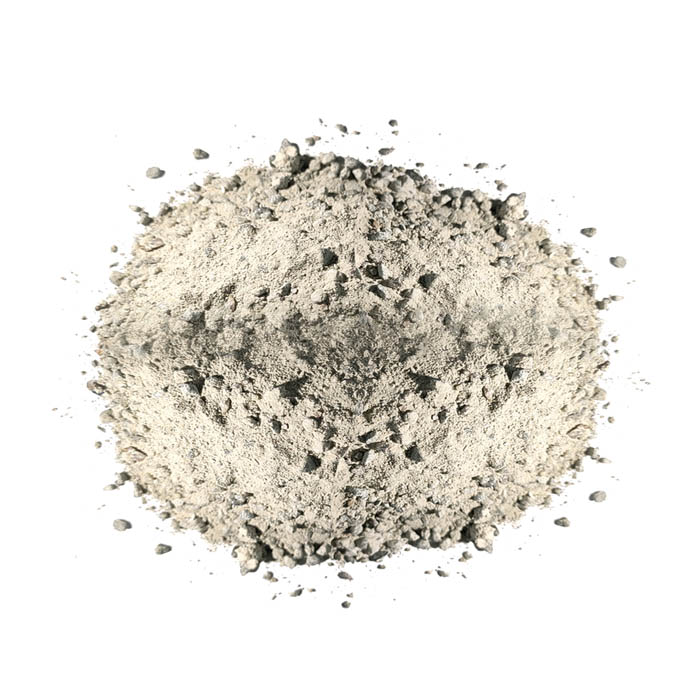
Our Tundish Dry Vibration Material is a high-performance refractory solution engineered specifically for the rigorous demands of continuous casting in the steel industry. Designed to optimize the interface between the permanent lining and the tundish, this non-toxic, high-efficiency material significantly reduces labor intensity while maximizing thermal efficiency and operational safety.
By implementing our advanced vibration technology, steel mills can achieve extended continuous casting times exceeding 35 hours, coupled with exceptional erosion resistance and effortless decoating. This professional-grade material not only lowers the cost per ton of steel but also purifies molten steel by reducing slagging rates, ensuring superior quality for continuous casting billets.
Detailed Parameters
| MgO Content (Magnesia) | ≥75% (Magnesia Grade) / ≥60% (Mg-Siliceous) | SiO2 Content | ≥20% (Mg-Siliceous Grade) |
|---|---|---|---|
| Bulk Density (250°C x 3h) | ≤2.5 g/cm³ | Withstand Pressure (250°C x 3h) | ≥5.0 MPa |
| Linear Change (1500°C x 3h) | -0.2% to 0 (Magnesia) / -0.3% to 0 (Mg-Siliceous) | Max Casting Time | 35+ Hours |
| Baking Temperature | 250°C - 400°C | Baking Duration | 1 - 2 Hours |
| Toxicity Level | Non-toxic | Customization | Available upon request |
Key Advantages
Superior Erosion Resistance
High-grade MgO composition ensures the lining withstands extreme molten steel temperatures and chemical erosion.
Extended Service Life
Capable of continuous casting for over 35 hours, significantly reducing downtime and refractory replacement frequency.
Enhanced Steel Purity
Low tundish slagging rate effectively purifies molten steel, improving the final quality of casting billets.
Energy Efficient Baking
Short baking times and high thermal efficiency lead to substantial energy savings during the preparation phase.
Easy Decoating
Designed for easy flipping and removal, reducing the labor cost and time associated with tundish cleaning.
Safe & Non-Toxic
Eco-friendly composition ensures a safer working environment for operators and reduces environmental impact.
Product Gallery
Installation Guidelines
Membrane Placement
Position the metal tire membrane in the tundish, leaving a precise working gap of 5-12cm from the permanent lining.
Material Filling
Manually flow the dry vibrating material into the void and vibrate the membrane to ensure a dense structure.
Initial Heating
Heat the membrane to 250°C-400°C using a heater for 1-2 hours to stabilize the material.
Pack Removal
Once cooling is complete, carefully lift and remove the pack tire to prepare for the final stage.
Final Baking
Apply medium-low heat for 1 hour, followed by high heat until red-hot before pouring steel.
Critical Caution
Do not cool the cladding wall after red-baking to prevent structure loosening and operational failure.
Performance Comparison
| Feature Metric | Standard Vibrating Material | Our Premium Dry Vibrator |
|---|---|---|
| Service Life | 20-25 Hours | 35+ Hours |
| Baking Energy | Standard Consumption | High Thermal Efficiency |
| Decoating Ease | Moderate Effort | Easy Flipping/Removal |
| Billet Quality | Standard Purity | Enhanced (Low Slagging) |
| Labor Intensity | High | Low (Simplified Process) |
Frequently Asked Questions
Q: What is the main advantage of using dry vibrating material in ferroalloy smelting?
The primary advantage is the significant extension of the continuous casting time (up to 35+ hours) and the reduction of steel production costs through higher thermal efficiency and easier maintenance.
Q: How does this material improve the quality of continuous casting billets?
It maintains a very low slagging rate within the tundish, which prevents impurities from entering the molten steel, thereby enhancing the purity and structural integrity of the billets.
Q: What precautions should be taken during the baking process?
It is critical that the cladding wall is not cooled after it has been baked red. Cooling at this stage can cause the cladding structure to loosen, which may lead to operational failures during pouring.
Q: Can the physical and chemical indicators be customized for specific smelting needs?
Yes, while we provide standard Magnesia and Magnesium Siliceous grades, all chemical compositions and physical indicators can be adjusted based on your specific metallurgical requirements.
Q: Why is it important to increase the molten steel temperature in the first pour?
Increasing the temperature slightly during the first furnace pour helps avoid "junction accidents" and ensures a smooth thermal transition between the material and the molten metal.
Q: Is the material safe for workers to handle?
Absolutely. Our Tundish Dry Vibrating material is non-toxic and designed to reduce labor intensity, ensuring a safer and more efficient environment for steel mill personnel.
Ready to Optimize Your Continuous Casting Efficiency?
Contact UsMore from this supplier
Xingtai Luxi Environmental Protection Technology Co., Ltd.