Image not available
Metals & minerals
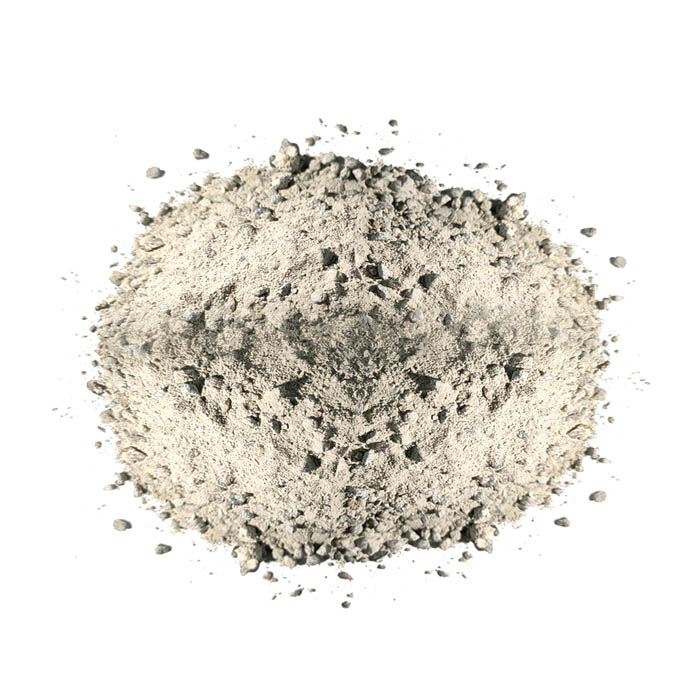
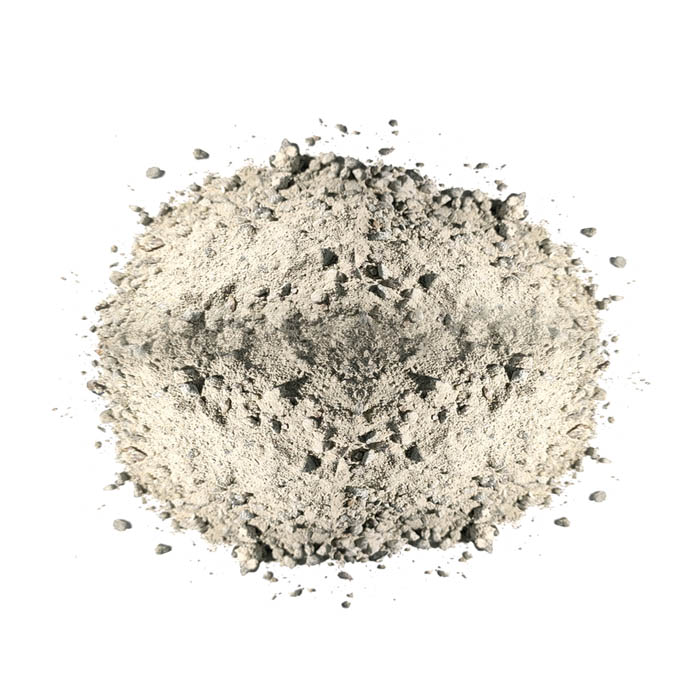
High Performance Tundish Dry Vibration Material China Factory Suppliers
Get high efficiency Tundish Dry Vibration Material from leading China factory suppliers. Non-toxic, simple construction, and reduces labor intensity. Offers erosion resistance and over 35 hours continuous casting time to reduce operational costs.
SupplierXingtai Luxi Environmental Protection Technology Co., Ltd.www.xingtailuxi.com
Source categories
About this product
Product information from the supplier.
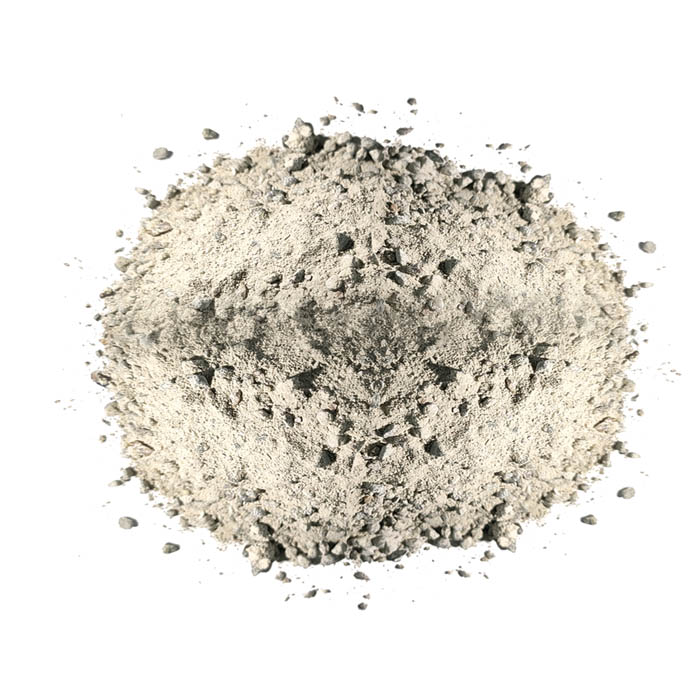
Our Tundish Dry Vibration Material is a high-performance refractory solution engineered specifically for the demanding environment of continuous casting. By utilizing a specialized dry-vibration installation process, this material ensures a dense, uniform lining that significantly enhances thermal efficiency and structural stability during steel production.
Designed to meet the rigorous standards of modern metallurgy, our material minimizes labor intensity through a simplified construction process while maximizing the service life of the tundish. With a proven track record in numerous steel plants, it serves as a critical barrier against erosion, helping to purify liquid steel and elevate the overall quality of the resulting steel billets.
Detailed Parameters
| Material Type | Magnesia Vibrating Material | MgO Content | ≥75% |
|---|---|---|---|
| SiO2 Content | ≤2.5% | Bulk Density | ≥5.0 g/cm³ |
| Linear Change (250°C) | -0.2 to 0% | Pressure Resistance | ≥5.0 MPa |
| Alternative Type | Magnesium Siliceous Material | MgO (Siliceous) | ≥60% |
| SiO2 (Siliceous) | ≥20% | Bulk Density (Sil) | ≤2.5 g/cm³ |
Key Advantages
Superior Erosion Resistance
Engineered to withstand harsh molten steel conditions, ensuring a long service life and reducing frequent maintenance downtime.
Extended Casting Time
Supports continuous casting for over 35 hours, significantly improving production efficiency and throughput.
Enhanced Steel Purity
Low slagging rates help purify liquid steel, directly resulting in higher quality and more consistent steel billets.
Energy Efficient Baking
Optimized for short baking times and high thermal efficiency, reducing total energy consumption per cycle.
Easy Decoating
Features excellent flipping and decoating properties, reducing labor costs and simplifying the cleaning process.
Non-Toxic & Safe
Environmentally friendly, non-toxic composition ensuring a safer working environment for plant operators.
Product Gallery
Management Platforms
Membrane Placement
Installation of metal membrane with a precise 5-12cm working gap from permanent lining.
Vibration Filling
Manual pouring of dry material followed by mechanical vibration for maximum density.
Initial Heating
Controlled heating at 250°C-400°C for 1-2 hours to set the material structure.
Membrane Removal
Careful lifting of the metal membrane after cooling to expose the vibration lining.
Final Baking
Two-stage baking: medium-low heat for 1 hour, followed by high-heat red baking.
Tapping Control
Adjusted hot steel temperature during first tapping to prevent nozzle clogging.
Investment Return Comparison
| Metric | Standard Material | Our Vibration Material |
|---|---|---|
| Service Life | Under 24 Hours | Over 35 Hours |
| Labor Intensity | High (Manual Casting) | Low (Dry Vibration) |
| Baking Time | Standard Cycle | Shortened / Efficient |
| Steel Quality | Standard Purity | High (Low Slagging) |
| Cost per Ton | Higher Maintenance | Reduced Operational Cost |
Frequently Asked Questions
Q: What is the primary advantage of using dry vibration material over traditional casting?
Dry vibration material offers simplified construction, significantly reduced labor intensity, and creates a denser structure that extends the tundish service life to over 35 hours.
Q: How does this material affect the quality of the steel billets?
The material maintains a very low tundish slagging rate, which helps in purifying the liquid steel and improving the overall chemical and physical quality of the steel billets.
Q: What are the available packaging options for international shipping?
We offer flexible packaging: 1-ton Jumbo Bags, or 10kg and 25kg small bags within Jumbo Bags. Custom packaging is also available upon request.
Q: Why is the baking temperature critical for the tundish wall?
After red baking, the wall must not be cooled down rapidly to avoid a loose cladding structure, which ensures the material maintains its intended performance and erosion resistance.
Q: Which ports do you typically use for export deliveries?
Our standard delivery ports in China are Xingang Port and Qingdao Port, ensuring efficient logistics for global shipments.
Q: What is the difference between Magnesia and Magnesium Siliceous vibrating materials?
Magnesia material has higher MgO (≥75%) and higher bulk density (≥5.0 g/cm³), whereas Magnesium Siliceous material contains more SiO2 (≥20%) and has a lower bulk density (≤2.5 g/cm³), allowing for different thermal expansion requirements.
Ready to Optimize Your Continuous Casting Efficiency?
Contact UsMore from this supplier
Xingtai Luxi Environmental Protection Technology Co., Ltd.