
Image not available

Electronics & appliances
Bookshelf Box Crossover Manufacturer HighFidelity Audio Suppliers Factory in China
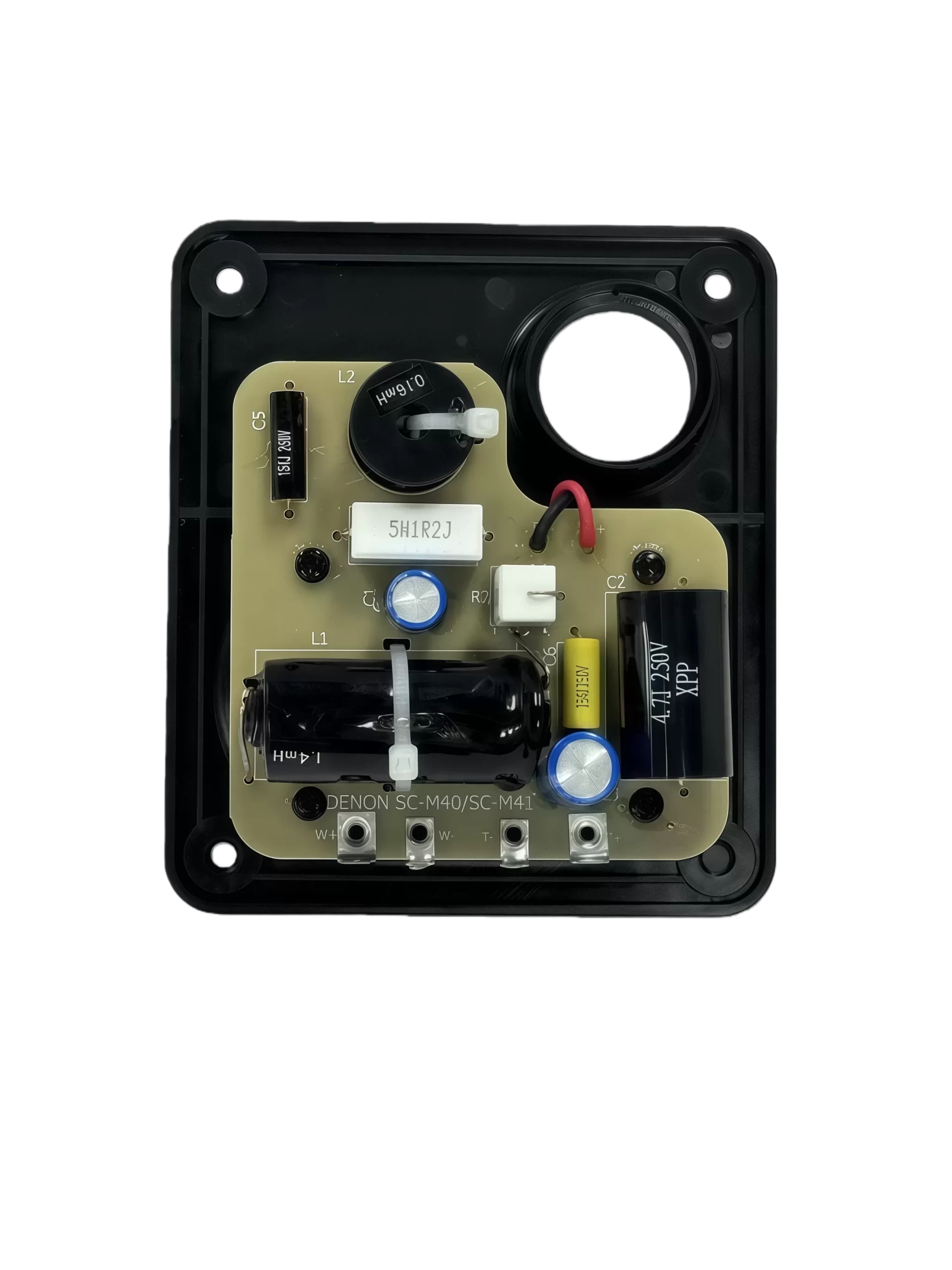
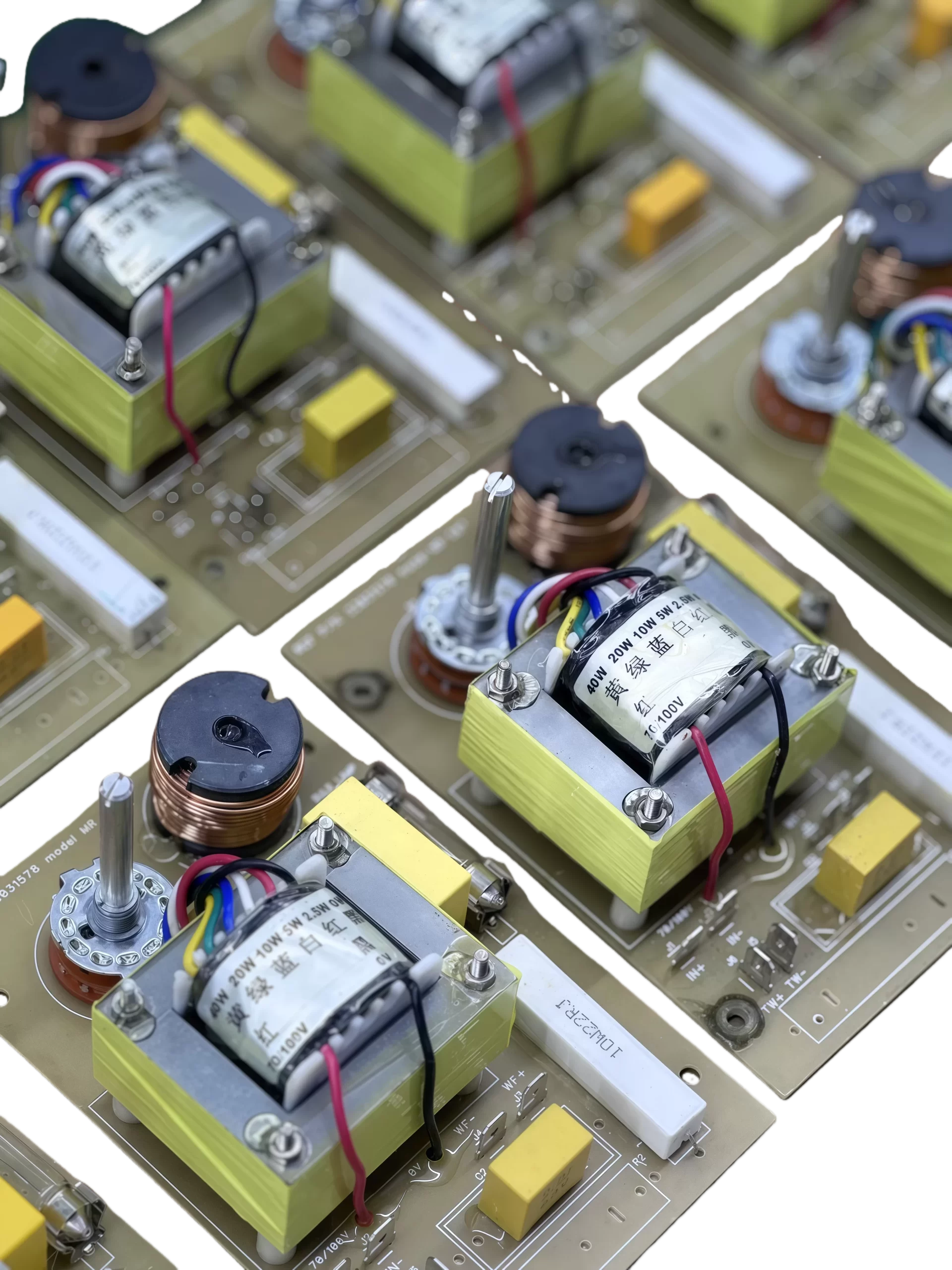
Looking for professional bookshelf box crossover solutions? As leading suppliers and a dedicated factory in China, we provide high-fidelity passive crossover networks for 2-way and 3-way speaker systems to ensure precision frequency division and driver protection.
SupplierHuizhou Xinchangda Electronic Co.,Ltd.www.xcdmagnetic.com
Source categories
About this product
Product information from the supplier.
The Bookshelf Box Crossover is a precision-engineered passive filtering solution designed specifically for high-fidelity 2-way and 3-way bookshelf speaker systems. By accurately directing audio signals to the appropriate drivers, it ensures that high frequencies reach the tweeter and low frequencies reach the woofer, preventing distortion and ensuring a balanced sonic profile.
Engineered for professional audio applications, this crossover system focuses on critical driver protection and response shaping. Through advanced impedance matching and frequency division, it optimizes the performance of each driver, delivering crystal-clear audio reproduction while safeguarding delicate components from damaging out-of-range frequencies.
Detailed Parameters
| Primary Function | Frequency Division & Signal Routing | System Compatibility | 2-Way / 3-Way Bookshelf Speakers |
|---|---|---|---|
| Core Objective | Driver Protection & Optimization | Audio Shaping | Response Shaping & Impedance Matching |
| Application Type | Passive Crossover Network | Component Type | Inductors, Capacitors & Resistors |
| Signal Integrity | High-Fidelity Signal Routing | Optimization Goal | Maximum Driver Efficiency |
| Industry Standard | Electronic Component Manufacturing | Performance Level | Professional Grade Audio |
Key Advantages
Driver Protection
Prevents low-frequency signals from reaching tweeters, eliminating the risk of voice coil burnout and physical damage.
Precise Division
Ensures accurate frequency cut-off points for seamless transitions between the woofer and the tweeter.
Impedance Matching
Optimizes the electrical load between the amplifier and the drivers for maximum power transfer and stability.
Response Shaping
Fine-tunes the frequency response curve to eliminate peaks and dips, ensuring a natural soundstage.
Driver Optimization
Allows each driver to operate within its ideal linear range, significantly improving overall audio clarity.
Passive Integration
Requires no external power source, making it a reliable and simple installation for bookshelf cabinets.
Product Gallery
Management Platforms
Component Sourcing
Strict selection of high-grade inductors and capacitors for minimal signal loss.
Precision Winding
Utilizing advanced automated winding for inductors to ensure consistent inductance values.
Quality Testing
100% testing of frequency response curves using professional audio analyzers.
Circuit Optimization
Iterative layout design to reduce electromagnetic interference between components.
Scalable Production
Flexible manufacturing lines capable of handling both custom and high-volume orders.
Compliance Control
Adherence to international electronics standards for safety and material purity.
Investment Return Comparison
| Performance Metric | Standard Crossover | Premium Box Crossover |
|---|---|---|
| Audio Distortion | Moderate | Ultra-Low |
| Driver Lifespan | Baseline | Extended (High Protection) |
| Frequency Accuracy | ± 10% Deviation | ± 2% Precision |
| Impedance Stability | Variable | Constant / Optimized |
| Sound Clarity | Standard | Hi-Fi Grade |
Frequently Asked Questions
Q: What is the primary purpose of a bookshelf box crossover?
Its primary purpose is to split the audio signal into different frequency bands, ensuring that low frequencies go to the woofer and high frequencies go to the tweeter, which optimizes sound quality and protects the drivers.
Q: Can this crossover be used in both 2-way and 3-way speaker systems?
Yes, the design is versatile and can be configured to support either 2-way (woofer/tweeter) or 3-way (woofer/mid-range/tweeter) bookshelf speaker configurations.
Q: How does impedance matching improve speaker performance?
Impedance matching ensures that the speaker load is compatible with the amplifier's output, preventing signal reflection and maximizing the efficiency of power delivery to the drivers.
Q: What components are typically used in these electronic crossovers?
They typically consist of high-quality inductors (including power and toroid inductors), capacitors, and resistors arranged in a passive network to filter frequencies.
Q: Is this a passive or active crossover system?
This is a passive crossover system, meaning it does not require an external power supply and is installed directly inside the speaker cabinet between the input terminal and the drivers.
Q: How does "response shaping" affect the final audio output?
Response shaping corrects the natural frequency flaws of the drivers, smoothing out the audio output to create a more balanced and natural listening experience.
Ready to Optimize Your Audio Performance?
Contact UsMore from this supplier
Huizhou Xinchangda Electronic Co.,Ltd.


