
Image not available
Household goods
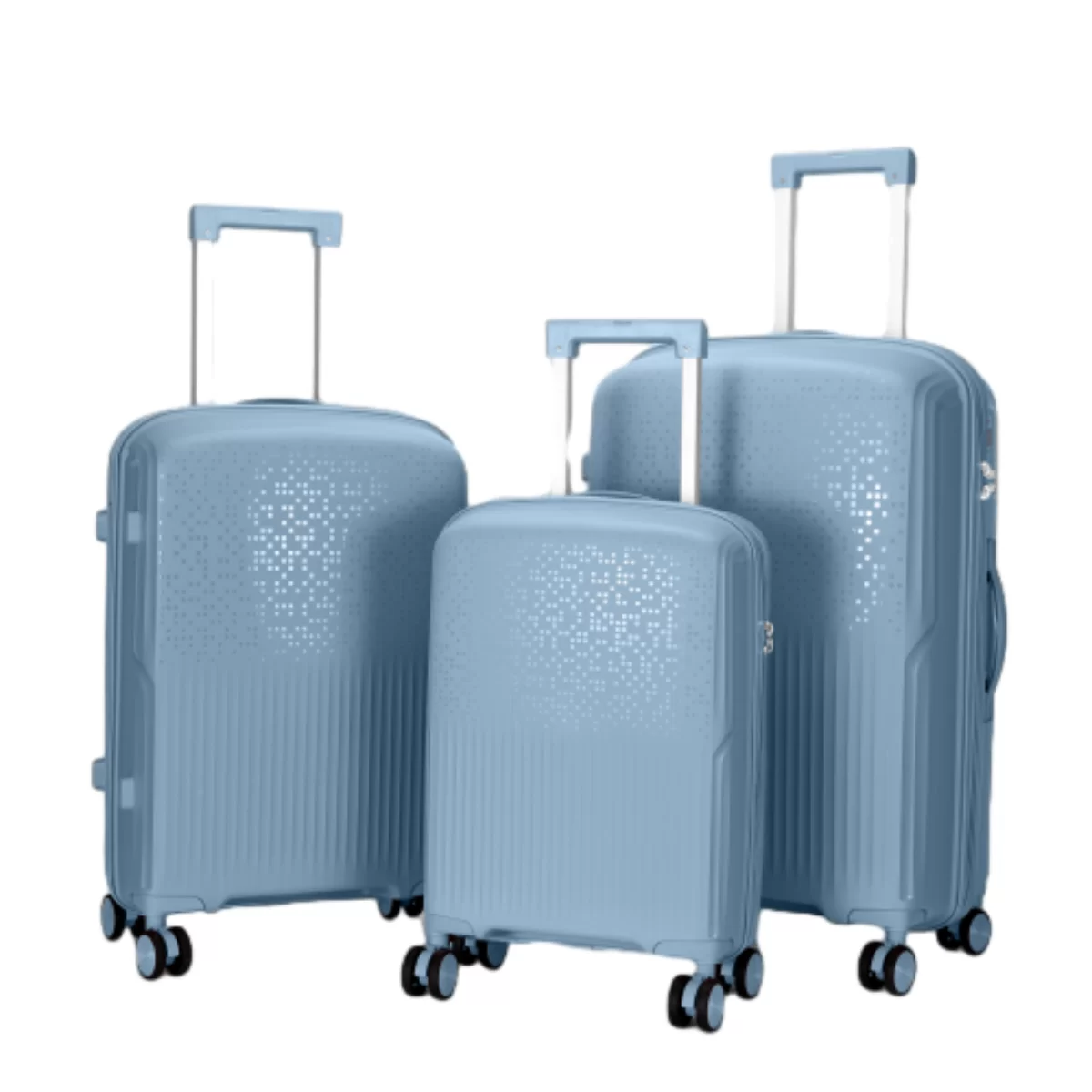
PP Luggage B014
<p>Experience lightweight strength and durability with our PP luggage. Constructed from premium polypropylene, it offers excellent impact resistance and long-lasting performance. The hard-shell exterior protects your belongings while remaining lightweight for easy transport. Smooth-rolling wheels and an ergonomic telescopic handle make maneuvering effortless. The interior features organized compartments for clothes,…
SupplierBAODING BAIGOU TIANSHANGXING BAG LEATHER GOODS CO., LTD.www.omaskafactory.com
Source categories
About this product
Product information from the supplier.
Main Material | PP | caster | Spinner |
with lock | Yes | gender | Unisex |
have drawbars | Yes | place of origin | Hebei, China |
model number | TSXPPB014 | Packing | Poly Bag+Carton |
Size | 20 24 28 inch | Logo | Accept Customized Logo |
Feature | travel luggage | MOQ | 50set/color |
certificate | BSCI,ISO9001 | Sample Time | 5-7 Days |
Service | Accept OEM ODM | Wheel | 4 Wheels |
Lock | Fake TSA Lock |
How to Choose Luggage Size
Selecting the right luggage size is essential for a stress-free travel experience. Choosing too large a suitcase can be cumbersome and difficult to maneuver, while a small one may not fit all your essentials. Understanding your travel needs, duration, and airline restrictions is the first step in making the best choice.
For short trips or weekend getaways, a carry-on or cabin-sized suitcase is usually sufficient. These compact bags are lightweight, easy to handle, and can often be taken directly onto the plane, saving time at check-in and baggage claim. For trips lasting several days or a week, medium-sized luggage is ideal, offering enough space for clothing, toiletries, and other necessities without being overly heavy.
Longer vacations or family trips may require large suitcases that provide maximum storage capacity. While these bags allow you to pack more items, they are heavier and may be subject to airline weight limits. Travelers should consider durability, weight, and internal organization when selecting larger luggage, ensuring their belongings remain protected and easy to access.
In addition to duration, consider your packing style and travel habits. Minimalist travelers may prefer smaller, organized luggage with efficient compartments, while those who need to carry extra items like shoes, electronics, or souvenirs might benefit from expandable options. Features like smooth-rolling wheels, telescopic handles, and sturdy construction also enhance mobility and convenience.
Ultimately, choosing the right luggage size is about balancing space, comfort, and practicality. By assessing the length of your trip, personal packing preferences, and airline regulations, you can select luggage that meets your needs. The right suitcase ensures an organized, convenient, and enjoyable travel experience, allowing you to focus on the journey rather than worrying about your belongings.
Polypropylene vs Polycarbonate Luggage
When shopping for modern travel cases, many buyers compare polypropylene and polycarbonate luggage to determine which option offers the best balance of durability, flexibility, and value. In recent years, pp luggage has become increasingly popular because of its lightweight structure, strong impact resistance, and affordable pricing. Understanding the differences between these two materials can help travelers and distributors choose the right suitcase for their specific travel needs.
To begin with, many consumers often ask about the PP luggage meaning. PP stands for polypropylene, a thermoplastic polymer widely used in the luggage industry due to its flexibility and toughness. The popularity of pp luggage material comes from its ability to absorb shocks without cracking easily. Compared with traditional hard-shell materials, polypropylene offers better bending resistance, making it highly suitable for frequent travelers who need reliable protection during airport handling and transportation.
One of the biggest advantages of pp luggage is its lightweight design. Travelers today prefer suitcases that maximize packing capacity without adding unnecessary weight. Since polypropylene is lighter than many traditional suitcase materials, it allows users to carry more belongings while staying within airline weight limits. Many pp luggage manufacturers focus on developing ultra-light luggage collections that combine portability with strong structural performance, making them attractive for both business and leisure travelers.
In comparison, polycarbonate luggage is known for its glossy appearance and premium feel. Polycarbonate shells are generally harder and more rigid than pp luggage material, which helps maintain a sleek exterior design. High-end luggage brands often use polycarbonate because it delivers excellent scratch resistance and a modern aesthetic. However, while polycarbonate is strong, it can sometimes crack under extreme impact if exposed to severe pressure or rough handling.
Another important difference between polypropylene and polycarbonate luggage is flexibility. PP luggage has greater elasticity, allowing the shell to bend slightly and return to its original shape after impact. This flexibility improves durability during long-distance travel and heavy baggage handling. Polycarbonate luggage, while stylish and durable, tends to focus more on maintaining structural rigidity and visual appearance.
Cost is also a major consideration for buyers and distributors. In general, pp luggage is more cost-effective, which is why many pp luggage manufacturers produce large quantities for wholesale markets, retail brands, and promotional travel collections. The affordability of pp luggage material makes it an excellent choice for consumers seeking durable luggage at competitive prices.
Ultimately, both polypropylene and polycarbonate luggage have unique advantages. Travelers looking for lightweight durability, flexibility, and value often prefer pp luggage, while those prioritizing luxury appearance and scratch resistance may choose polycarbonate models. By understanding the pp luggage meaning and the characteristics of different luggage materials, consumers can make smarter purchasing decisions that match their travel habits and budget requirements.
PP Luggage vs PC Luggage
When choosing a hard-shell suitcase, two materials dominate the market: PP luggage and PC luggage. Understanding the differences between polypropylene (PP) and polycarbonate (PC) can help you select the right travel companion for durability, weight, and budget.
What Is PC Luggage?
PC luggage is crafted from polycarbonate, a material prized for its high rigidity and glossy, premium appearance. Polycarbonate shells maintain a sleek, modern look that appeals to business travelers and style-conscious consumers. PC luggage offers excellent scratch resistance and structural strength, helping protect fragile items inside. However, polycarbonate is generally less flexible than polypropylene. Under extreme impact, some PC luggage models may be more prone to cracking rather than flexing.
Key Differences Between PP Luggage and PC Luggage
| Feature | PP Luggage | PC Luggage |
|---|---|---|
| Flexibility | High – bends under impact and returns to shape | Low to medium – rigid, less forgiving |
| Weight | Very lightweight | Lightweight but slightly heavier than PP |
| Impact Resistance | Excellent – absorbs shocks well | Good – strong but may crack under extreme force |
| Appearance | Matte finish, practical look | Glossy finish, premium look |
| Price | More affordable | Generally more expensive |
| Best For | Frequent travelers, family trips, budget-conscious buyers | Business travelers, luxury seekers, style-focused users |
Which One Should You Choose?
If you prioritize flexibility, lightweight performance, and long-term value, PP luggage is an excellent choice. Its ability to withstand rough handling makes it ideal for checked baggage and adventure travel. If you prefer a sleek, high-gloss appearance and are willing to pay a premium for aesthetic appeal, PC luggage may better suit your needs.
Both materials offer reliable protection, but understanding the strengths of PP luggage vs PC luggage ensures you invest in a suitcase that matches your travel style and budget.
Polypropylene vs ABS Luggage
Understanding ABS Luggage
ABS (Acrylonitrile Butadiene Styrene) is another common thermoplastic used for luggage shells. Abs luggage is typically more rigid than polypropylene, which allows manufacturers to create sleek, glossy finishes that appeal to style-conscious travelers. ABS suitcases often come in modern designs with vibrant colors and high-shine exteriors. However, the rigidity of abs luggage means it has less capacity to absorb impact without cracking. While ABS offers decent protection for casual travelers, it may not withstand the rough handling often encountered during airline baggage transit.
Durability and Long-Term Performance
When comparing pp luggage vs abs luggage, durability is often the deciding factor. Polypropylene’s flexibility allows it to absorb shocks from drops and collisions, significantly reducing the risk of shell cracking. This makes pp luggage an excellent choice for long-distance travel, family vacations, and frequent business trips. Conversely, abs luggage may develop cracks or stress marks after repeated heavy impacts, especially at corner areas where pressure concentrates. For travelers seeking long-term reliability, polypropylene generally offers better resilience.
Weight and Portability
Both materials are lighter than traditional aluminum suitcases, but pp luggage holds a slight advantage. Polypropylene’s natural low density allows manufacturers to produce ultra-light cases that maximize packing capacity. Abs luggage is also lightweight but may be slightly heavier due to its multi-layer construction. For backpackers, cruise travelers, and commuters, the weight savings of pp luggage can translate into fewer baggage fees and easier mobility.
Price and Value
In terms of cost, abs luggage is often more budget-friendly, making it popular among first-time buyers or those who travel infrequently. However, pp luggage offers better long-term value because it withstands wear and tear more effectively. Investing in a quality polypropylene suitcase reduces the need for frequent replacements, saving money over time.
Final Recommendation
Choose pp luggage if you prioritize flexibility, impact resistance, and long-lasting durability. Opt for abs luggage if you prefer a glossy finish, lower upfront cost, and plan to travel occasionally. Both materials serve different traveler profiles, but for frequent flyers and rugged use, polypropylene remains the stronger contender.
PP Luggage FAQs
What is PP luggage?
PP luggage refers to suitcases made from polypropylene material. The term “PP” stands for polypropylene, a lightweight and durable thermoplastic commonly used in modern luggage manufacturing. Because of its flexibility and impact resistance, PP luggage is widely used for both business and leisure travel.
What is the PP luggage meaning in the luggage industry?
The PP luggage meaning simply refers to luggage products manufactured using polypropylene shells. This material is valued for its toughness, lightweight structure, and ability to withstand rough handling during travel.
Why is PP luggage popular among travelers?
Many travelers prefer PP luggage because it is lightweight, durable, and flexible. Compared with some traditional hard-shell materials, pp luggage material can absorb impacts more effectively and is less likely to crack under pressure.
Is PP luggage better than ABS luggage?
In many cases, PP luggage is considered stronger and more flexible than ABS luggage. Polypropylene usually provides better impact resistance and longer durability, while ABS luggage is often cheaper but more rigid and easier to crack.
Is PP luggage waterproof?
Most PP luggage offers water-resistant protection rather than complete waterproof performance. The polypropylene shell helps prevent water penetration during light rain or accidental splashes, protecting clothes and personal belongings inside the suitcase.
Does PP luggage scratch easily?
Like most hard-shell suitcases, PP luggage may develop surface scratches after frequent travel. However, many modern pp luggage manufacturers use textured finishes to reduce the visibility of scratches and maintain a cleaner appearance.
Is PP luggage suitable for international travel?
Yes. PP luggage is highly suitable for international travel because of its lightweight construction and excellent durability. Many airlines and frequent travelers prefer polypropylene luggage for its ability to handle rough airport transportation.
Why do pp luggage manufacturers prefer polypropylene material?
Many pp luggage manufacturers choose polypropylene because it combines flexibility, durability, and lightweight performance at a competitive production cost. It is also easier to mold into modern suitcase designs and can support various colors and textures.
What are the advantages of pp luggage material?
The main advantages of pp luggage material include:
Lightweight structure
Strong impact resistance
Flexible shell design
Water-resistant surface
Long-lasting durability
Affordable production cost
These benefits make PP luggage a popular choice in the global travel market.
Is PP luggage environmentally friendly?
Polypropylene is recyclable, which makes PP luggage more environmentally friendly compared with some non-recyclable materials. Many manufacturers are also exploring sustainable production methods for modern luggage collections.
How long does PP luggage last?
A high-quality PP suitcase can last for many years with proper care. The durability depends on manufacturing quality, travel frequency, and handling conditions.
How do I clean PP luggage?
You can clean PP luggage using mild soap, warm water, and a soft cloth. Avoid strong chemical cleaners that may damage the suitcase surface or reduce its finish quality.
Is PP luggage good for business travelers?
Yes. Many business travelers choose PP luggage because it is lightweight, durable, and easy to carry through airports, train stations, and business trips while still maintaining a professional appearance.
Are there different sizes available for PP luggage?
Yes. Most pp luggage manufacturers produce polypropylene suitcases in multiple sizes, including carry-on luggage, medium checked luggage, and large travel suitcases for long-distance trips.
What should I look for when buying PP luggage?
When purchasing PP luggage, buyers should consider:
Shell thickness and durability
Wheel quality and smooth movement
TSA-approved locks
Handle strength
Internal storage compartments
Brand reputation and warranty
Choosing high-quality pp luggage material ensures better long-term travel performance.

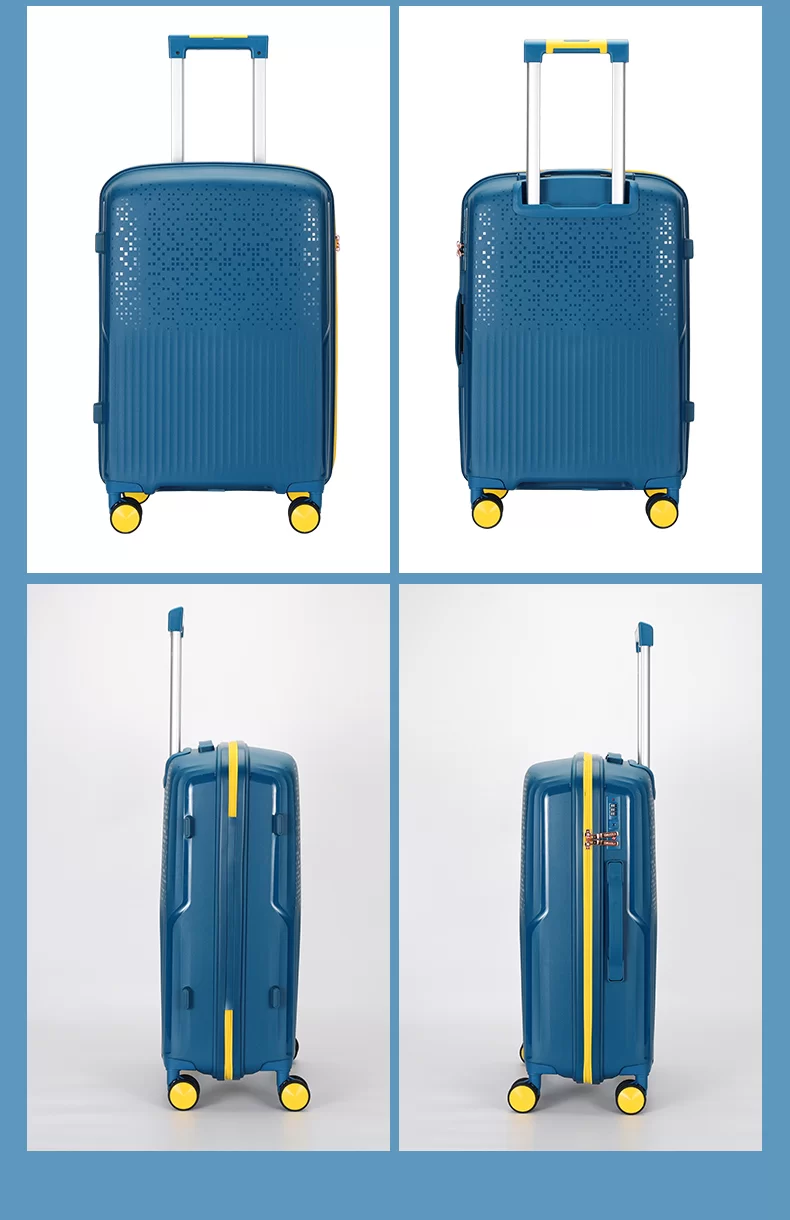
What Makes the OMASKA B014 a Practical PP Suitcase for Frequent Travel?
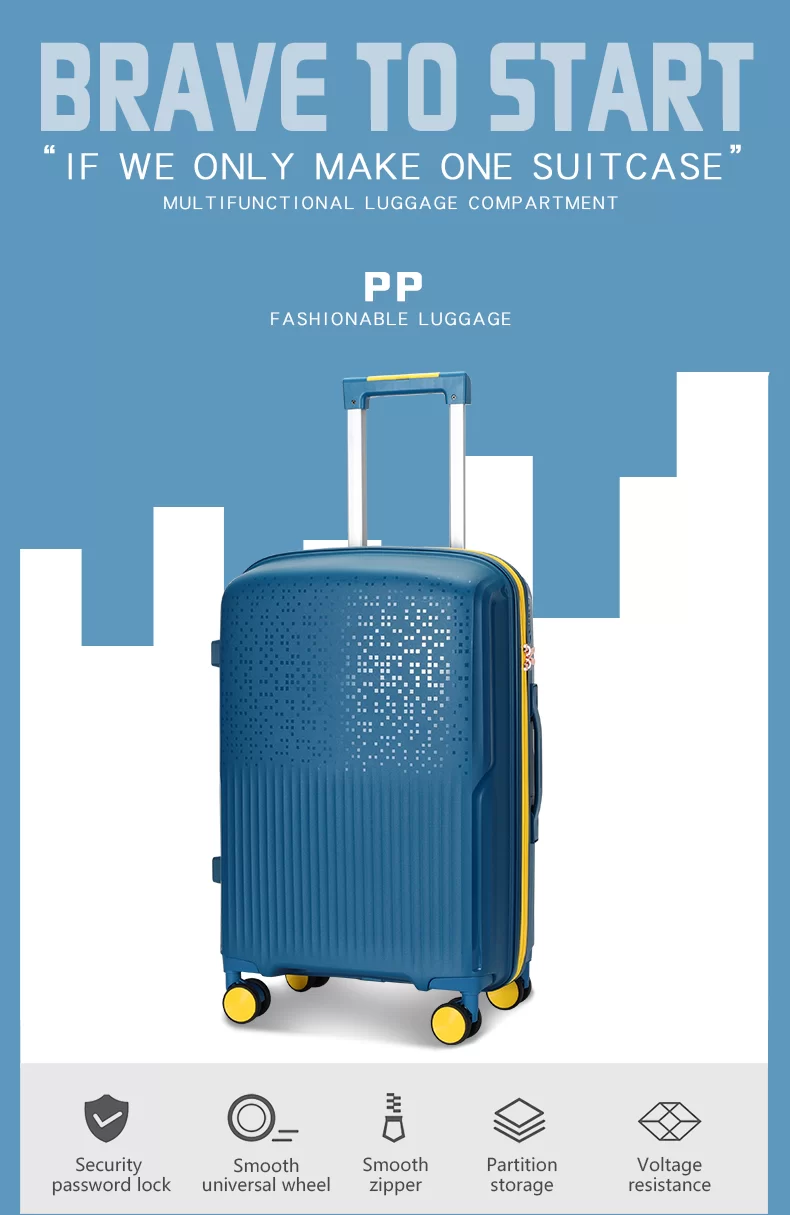
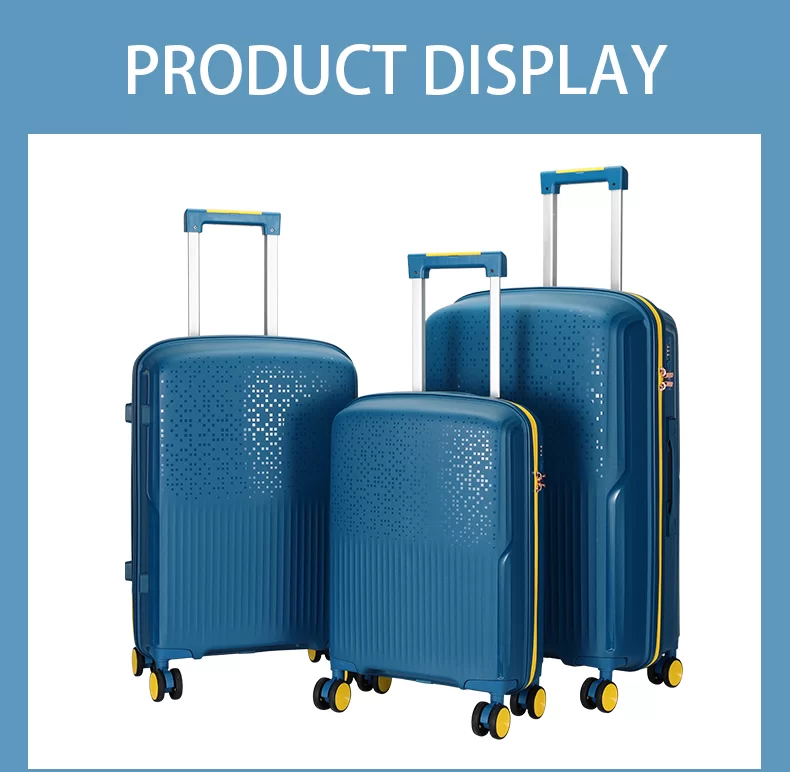
For frequent travelers, a suitcase needs to do more than provide storage. It must handle repeated movement through airports, hotels, train stations, and other demanding travel environments without becoming difficult to carry. The OMASKA B014 is designed as a practical PP suitcase that combines lightweight construction with the flexibility and impact resistance associated with polypropylene.
The PP shell provides a useful balance between protection and portability. Instead of relying only on a rigid structure, polypropylene can flex slightly when exposed to external pressure, helping the suitcase better absorb everyday impacts. This makes the B014 suitable for travelers who regularly check luggage or need a dependable case for longer journeys.
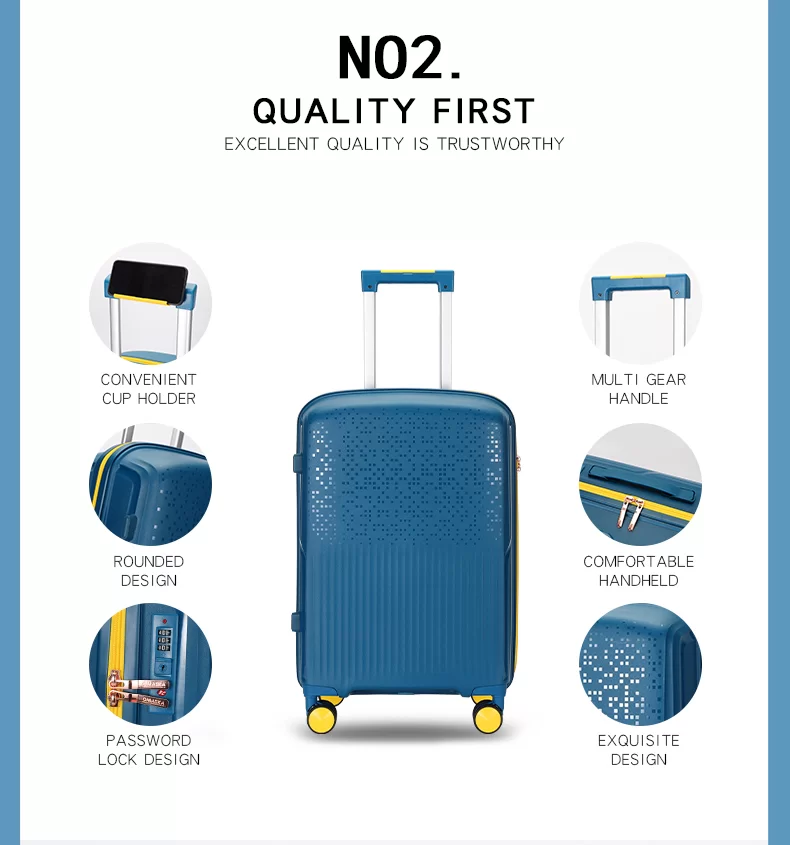
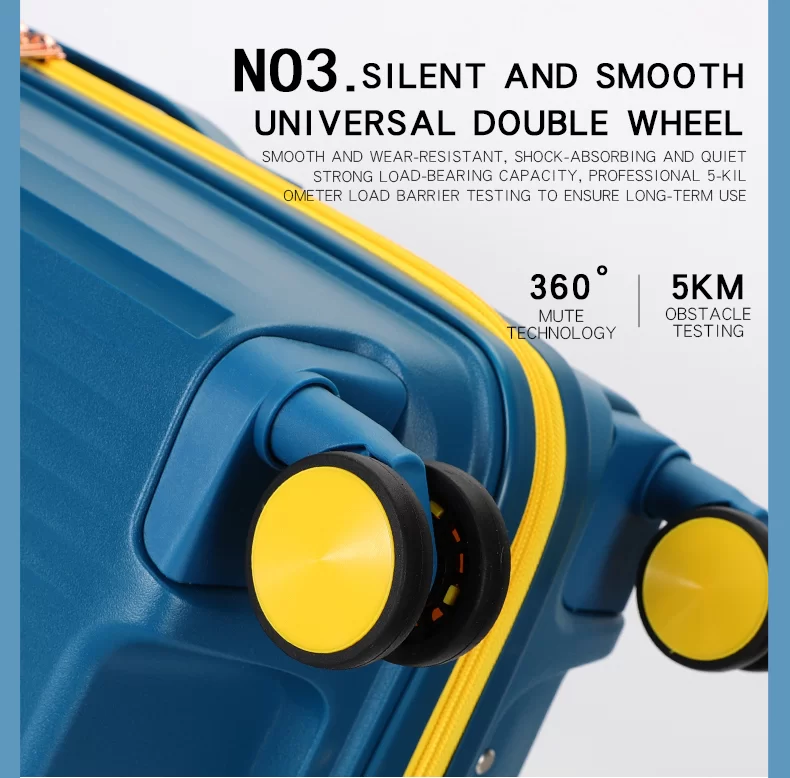
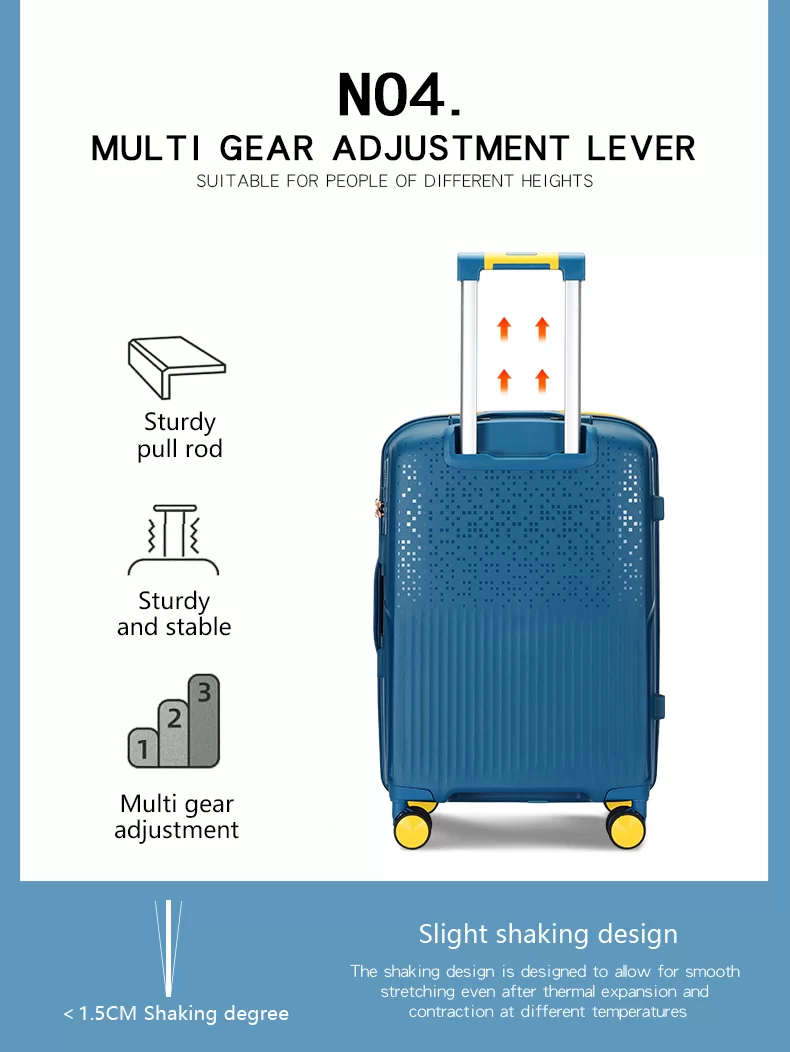
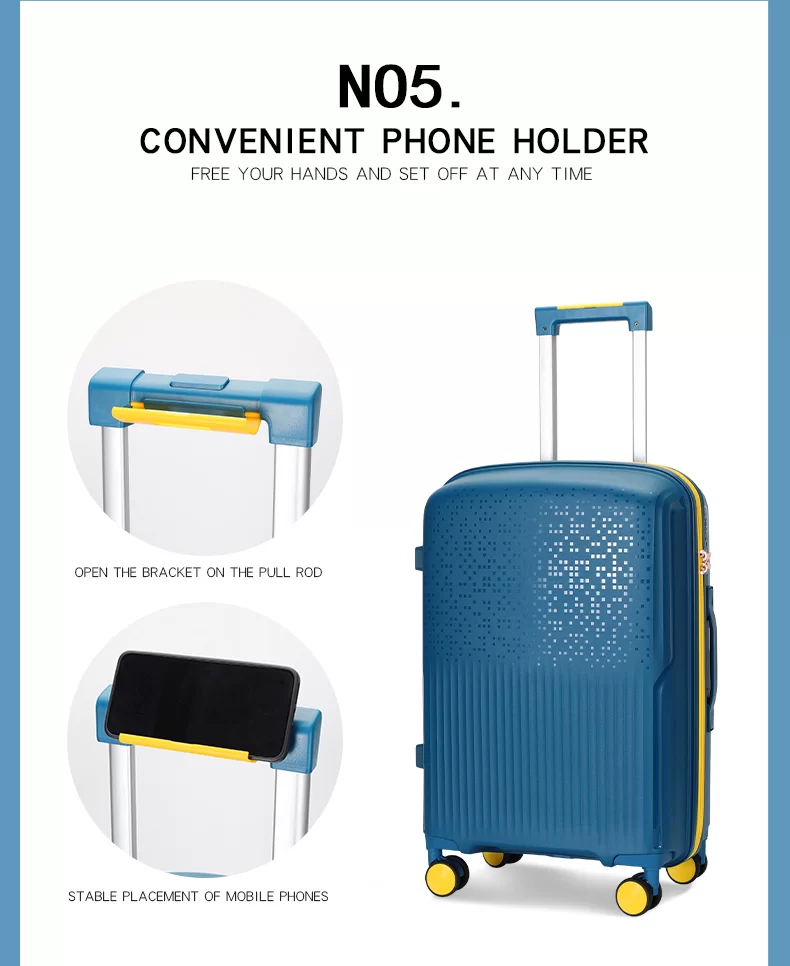
Mobility is another important part of the design. The B014 uses four spinner wheels and a telescopic drawbar, allowing users to move the suitcase smoothly through airports, stations, hotel corridors, and other crowded spaces. Its hard-shell construction also helps protect clothing, electronics, and other personal items during transportation.
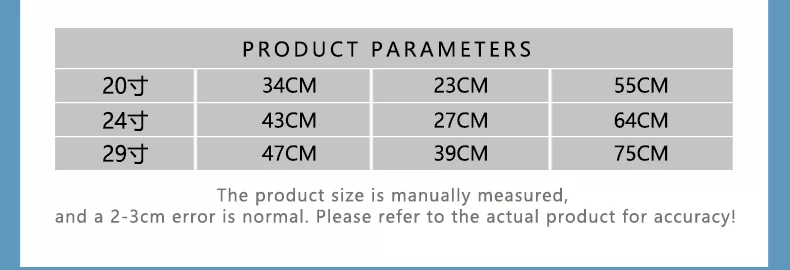
OMASKA offers the B014 in 20-inch, 24-inch, and 28-inch sizes, allowing buyers to select a configuration according to trip length and packing requirements. The unisex design makes the collection suitable for different customer groups, from business travelers to families and leisure travelers.
For brands and distributors, the B014 also provides a practical foundation for private-label travel collections. With OEM, ODM, and customized logo services available, businesses can adapt the product to their own market positioning while maintaining the functional advantages of a polypropylene suitcase.
Why Choose PP Luggage for Wholesale Travel Product Lines?
For wholesalers, luggage buyers, and travel brands, choosing the right shell material is not only about appearance. Product durability, weight, production flexibility, and long-term customer satisfaction all influence the commercial value of a luggage collection. This is where PP luggage can offer a strong balance of performance and cost.
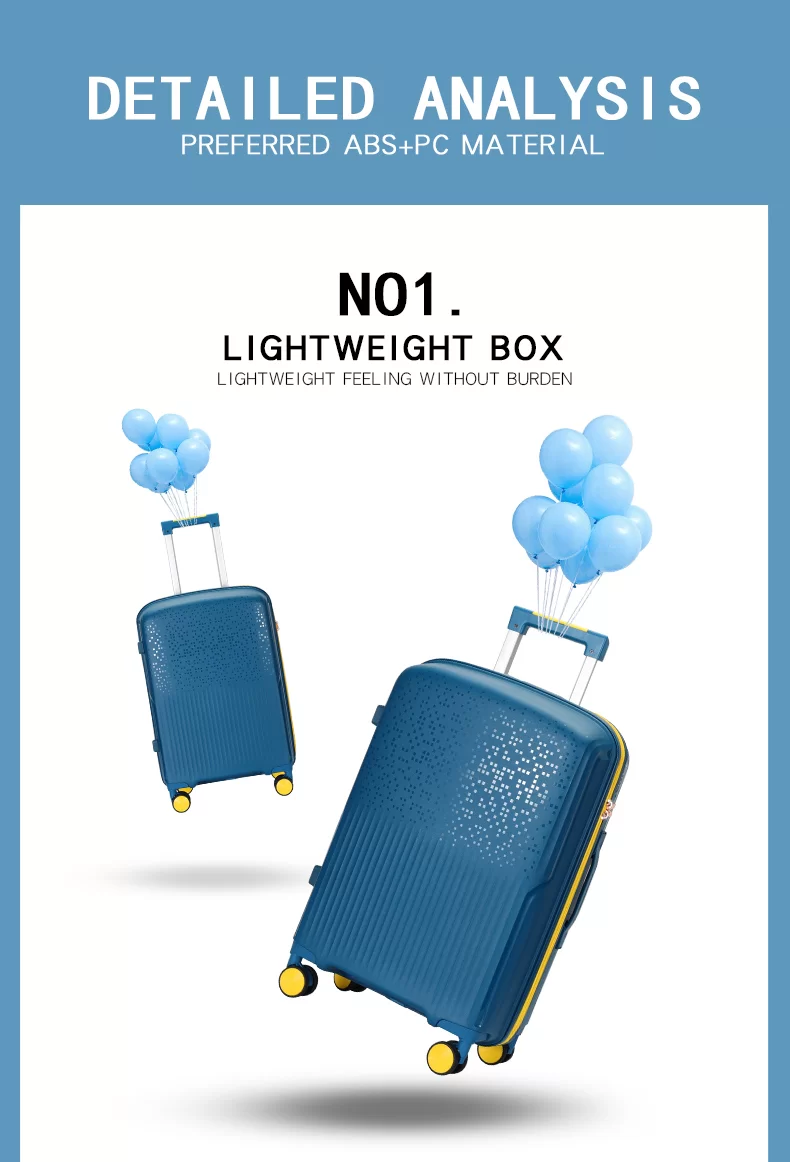
Polypropylene is naturally lightweight and flexible, allowing manufacturers to develop hard-shell suitcases that are easier to transport while maintaining useful impact resistance. For end users, lower suitcase weight can leave more room within airline baggage limits for personal belongings. For distributors, lightweight construction can also make handling, packaging, and logistics more convenient.
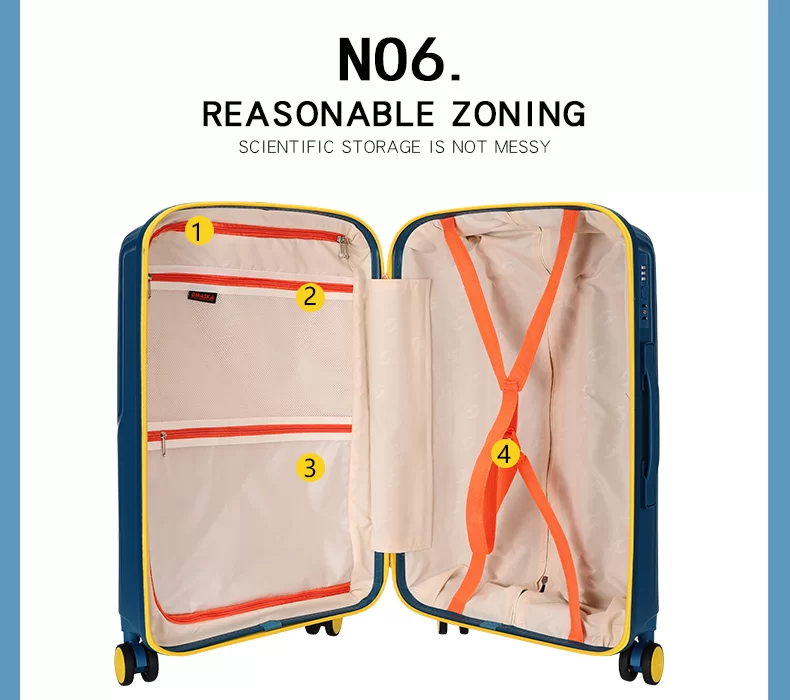
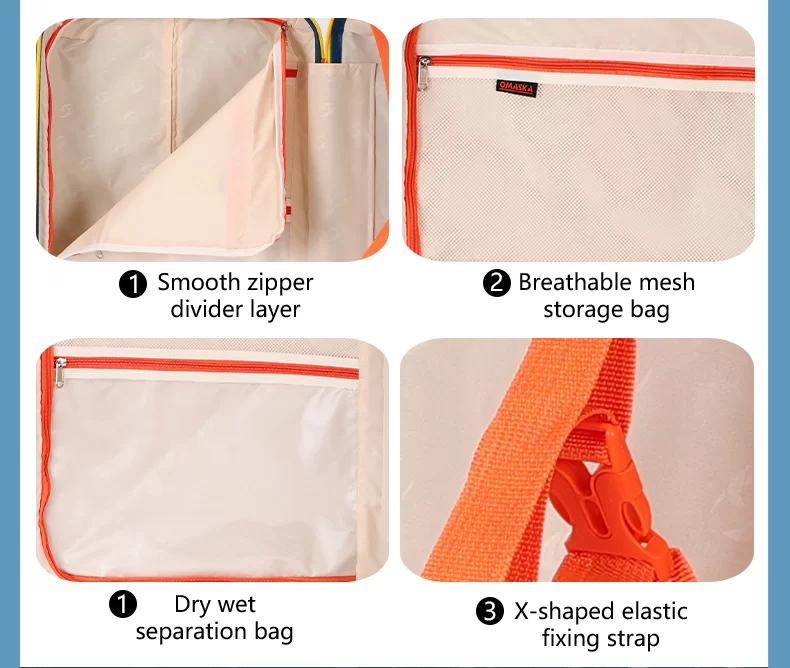
The OMASKA B014 is developed around these practical advantages. Its PP shell is paired with four spinner wheels, a telescopic drawbar, internal storage space, and a locking system to create a complete travel solution rather than simply a lightweight shell. The available 20-, 24-, and 28-inch sizes also allow wholesalers to build a product range covering short trips, medium-length travel, and longer vacations.
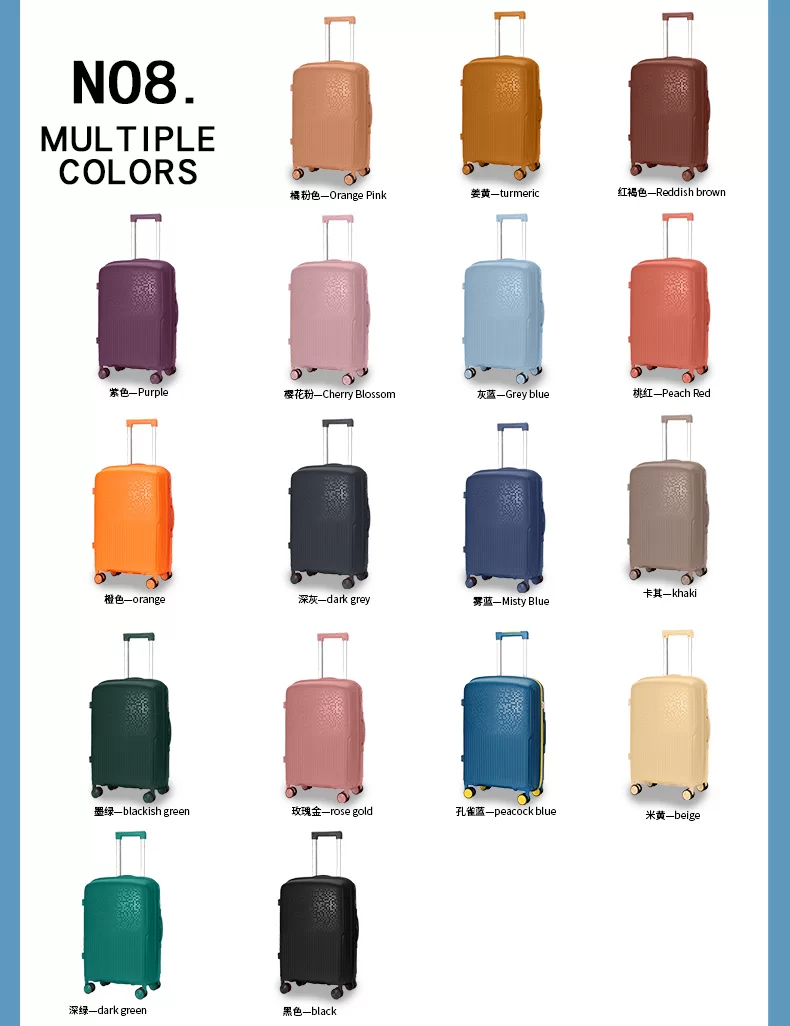
Another advantage for wholesale buyers is product customization. The B014 supports OEM and ODM services as well as customized logos, making it suitable for luggage brands, retailers, promotional programs, and travel-related businesses. The listed MOQ is 50 sets per color, which can provide flexibility for buyers testing a new collection or developing market-specific colorways.
For companies looking for a wholesale PP luggage solution, the combination of polypropylene performance, multiple sizes, customization options, and factory-based production makes B014 a practical model to consider.
How to Select the Right PP Suitcase Size for Different Travel Needs?
Choosing the right suitcase size is just as important as choosing the right material. A suitcase that is too small can limit packing capacity, while an oversized case may become unnecessarily heavy and difficult to maneuver. The OMASKA B014 is available in 20-inch, 24-inch, and 28-inch options, giving buyers flexibility across different travel scenarios.
The 20-inch PP suitcase is a practical option for shorter business trips, weekend travel, and customers who prefer compact luggage. Its smaller footprint makes it easier to maneuver through airports and other crowded environments. Depending on airline requirements, this size may also be suitable for carry-on use, although travelers should always check the specific airline's current cabin baggage rules.
The 24-inch model provides a middle ground between portability and storage capacity. It can be suitable for several-day vacations, business travel requiring additional clothing, or travelers who prefer more packing space without moving to a large suitcase.
For longer holidays and family travel, the 28-inch PP luggage provides greater storage capacity. The larger format is useful when travelers need to carry more clothing, shoes, personal items, or souvenirs. However, buyers should also consider airline weight restrictions when selecting a large suitcase.
For luggage distributors, offering all three sizes can make the B014 collection easier to position across different customer groups. Instead of selling a single suitcase size, businesses can develop a complete PP travel luggage range covering compact, medium, and large travel requirements.
What Should Buyers Look for in a PP Luggage Manufacturer?
Choosing a reliable PP luggage manufacturer requires more than comparing the appearance or unit price of different suitcases. For wholesale buyers, the manufacturer's production capability, customization support, quality management, product consistency, and communication throughout the order process can directly affect the success of a luggage program.
Material selection should be the first consideration. A professional manufacturer should be able to clearly identify the shell material and explain how its PP luggage is designed for durability, flexibility, and practical travel use. Buyers should also evaluate structural components such as wheels, handles, zippers, locks, and internal compartments because these parts influence the overall user experience.
Customization capability is equally important for private-label businesses. The OMASKA B014 supports OEM and ODM services and customized logo options, allowing buyers to develop products under their own brand identity rather than selling completely standardized luggage.
Production standards should also be considered before placing a bulk order. The B014 product information lists BSCI and ISO9001 certification, while sample production is listed at approximately 5–7 days. Buyers can use samples to evaluate shell quality, wheel movement, handle stability, internal organization, finishing, and logo execution before confirming a larger order.
MOQ is another important factor. The B014 lists an MOQ of 50 sets per color, which may be suitable for distributors and brands that need customized products without committing to extremely large initial volumes.
A capable manufacturer should ultimately provide more than a suitcase. It should provide a repeatable supply solution that supports product customization, quality control, and long-term wholesale cooperation.
Can OMASKA Custom PP Luggage for Private Label Brands?
For luggage retailers and emerging travel brands, creating a recognizable product line often requires more than selecting an existing suitcase model. Custom PP luggage allows businesses to incorporate their own branding, colors, market positioning, and product requirements while working from an established manufacturing platform.
The OMASKA B014 is suitable for this type of private-label development because the product supports OEM and ODM services and customized logo applications. This gives brands the opportunity to use a proven polypropylene suitcase design while developing a collection that fits their own market.
Customization can be particularly useful for distributors targeting different customer segments. A retailer focused on business travel may prefer a more understated color and professional branding, while a lifestyle or fashion-oriented brand may choose brighter colors and a different visual identity. Promotional companies can also use customized luggage as branded merchandise for corporate events, travel campaigns, or customer loyalty programs.
The B014's three available sizes—20, 24, and 28 inches—also make it possible to build a more complete product range instead of offering only one case format.
For buyers considering private-label production, it is important to confirm details such as logo method, color availability, packaging, sample approval, MOQ, production lead time, and quality inspection before bulk production. Starting with a sample allows the buyer to check the finished product against brand requirements before scaling the order.
With its polypropylene shell, spinner wheels, telescopic drawbar, multiple size options, and OEM/ODM support, the B014 provides OMASKA customers with a flexible starting point for developing a branded PP luggage collection.
Why Is a Lightweight PP Suitcase Important for Airline Travel?
Suitcase weight has become an increasingly important consideration for travelers. A heavy suitcase can reduce the amount of luggage a passenger can pack before reaching an airline's baggage limit. This makes a lightweight PP suitcase attractive for travelers who want a balance between protection, capacity, and portability.
Polypropylene is well suited to lightweight hard-shell luggage because it combines relatively low density with useful flexibility. Instead of relying on excessive shell thickness to create rigidity, PP luggage can use the material's natural toughness and flexibility to provide protection while keeping the overall design practical.
The OMASKA B014 uses a polypropylene shell and is available in three sizes: 20, 24, and 28 inches. This allows travelers and distributors to select different configurations according to the intended travel scenario.
Weight is particularly relevant for checked luggage. Travelers may need additional space for clothing, shoes, electronics, or other belongings, but a suitcase that consumes too much of the available weight allowance leaves less capacity for personal items. A lightweight shell can therefore contribute to a more efficient packing experience.
The B014 also combines lightweight construction with practical mobility features. Four spinner wheels and a telescopic drawbar make it easier to move the case through airports, hotel lobbies, and transportation hubs. Its hard-shell structure provides an additional layer of protection for packed belongings.
For luggage brands, the lightweight positioning also creates a clear product benefit that can be communicated across retail listings, catalogs, and marketing materials. Rather than promoting weight alone, a well-designed lightweight PP suitcase can be positioned around the broader combination of portability, impact resistance, storage efficiency, and everyday travel convenience.
Where Can Wholesale PP Luggage Be Used Beyond Personal Travel?
Although PP luggage is commonly associated with individual travelers, its commercial applications extend beyond conventional retail luggage. The combination of durability, lightweight construction, multiple sizes, and customization makes polypropylene suitcases relevant to several B2B markets.
Retail luggage brands can use PP suitcases as part of everyday travel collections, particularly when their customers prioritize lightweight handling and practical durability. The OMASKA B014 can also be positioned across different travel segments because it is available in 20-, 24-, and 28-inch sizes.
Corporate gifting is another potential application. Companies looking for useful branded merchandise can customize luggage with their logo and use it for employee programs, customer rewards, business events, or travel-related promotions. Because luggage has a practical long-term use, branded suitcases can provide repeated exposure beyond the initial event.
Travel agencies, hospitality companies, and promotional distributors may also consider customized luggage for specific campaigns or partnership programs. The B014's OEM/ODM capability gives businesses greater flexibility when developing a product according to their own branding requirements.
For wholesale buyers, the ability to offer multiple sizes is another advantage. A 20-inch case can serve customers looking for compact travel luggage, while 24-inch and 28-inch models can address longer trips and higher packing requirements.
Ultimately, the value of a wholesale PP suitcase is not limited to the suitcase itself. For B2B buyers, it can become part of a broader travel product portfolio, private-label collection, promotional program, or retail assortment. Selecting a manufacturer that can support customization, consistent production, and different product configurations gives businesses more opportunities to adapt the same core product to different markets.
More from this supplier
BAODING BAIGOU TIANSHANGXING BAG LEATHER GOODS CO., LTD.


