Image not available
Gifts & decor
Germanium
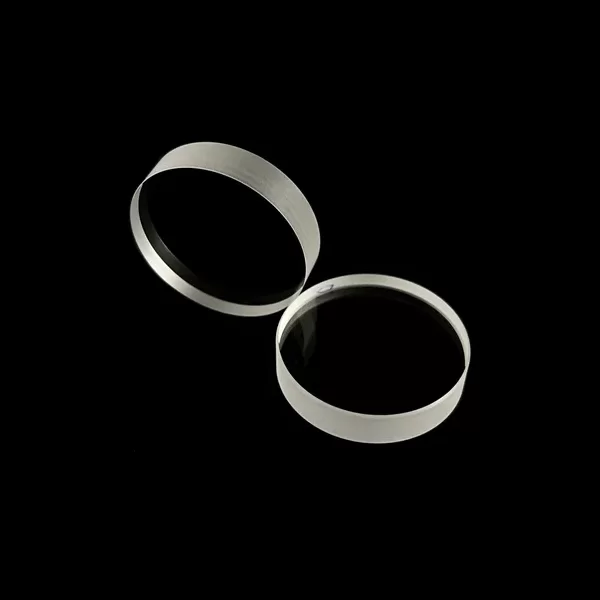
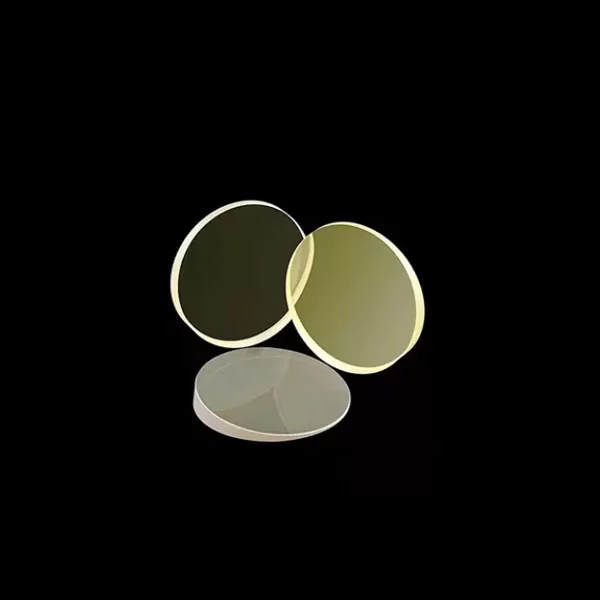
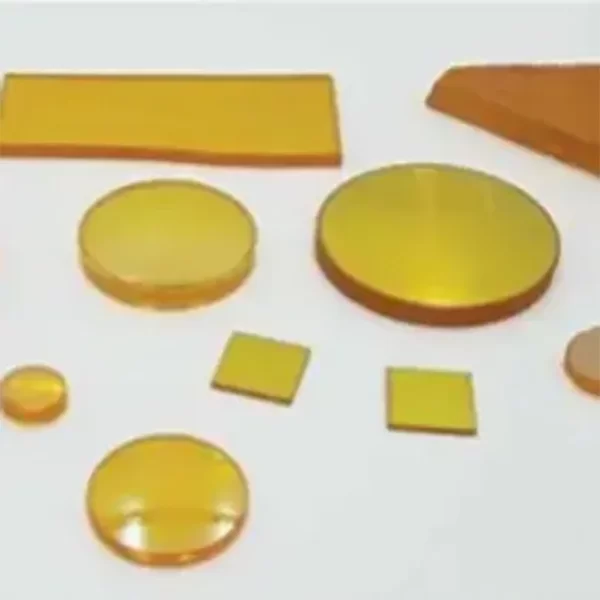
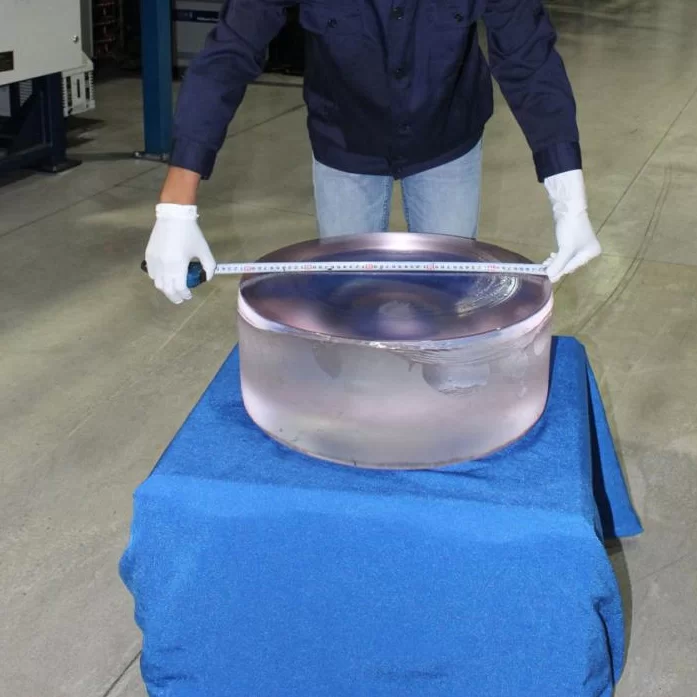
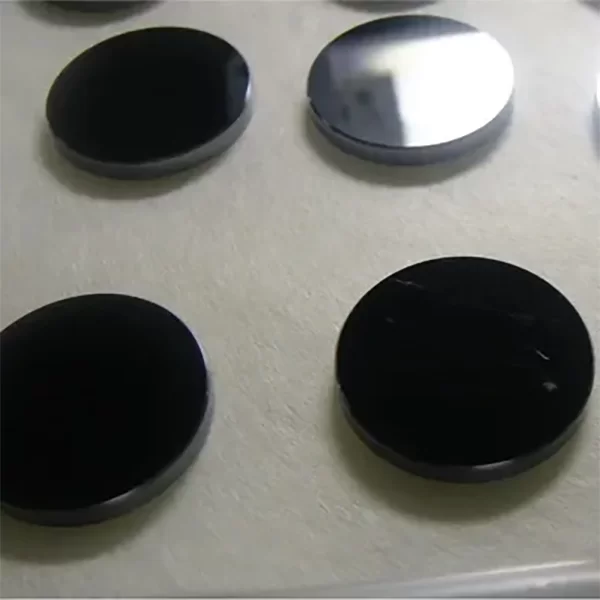
<p>Germanium (Ge) For IR optical applications</p><p>Germanium is a valuable material for optical applications, particularly in the infrared region, due to its wide transparency range, high refractive index, and good thermal properties. Its unique properties make it an attractive choice for infrared optics, thermal imaging systems, fiber optics, and infrared detectors. However, its relatively low hardness and melting…
SupplierHT Optics Technology Co. LLC.www.htoptics-tech.com
Source categories
About this product
Product information from the supplier.
Crystal Structure and Properties
-Germanium is a semiconductor material with a diamond cubic crystal structure.
-It has a narrow direct bandgap of 0.67 eV at room temperature, making it suitable for applications in the infrared (IR) spectral region.
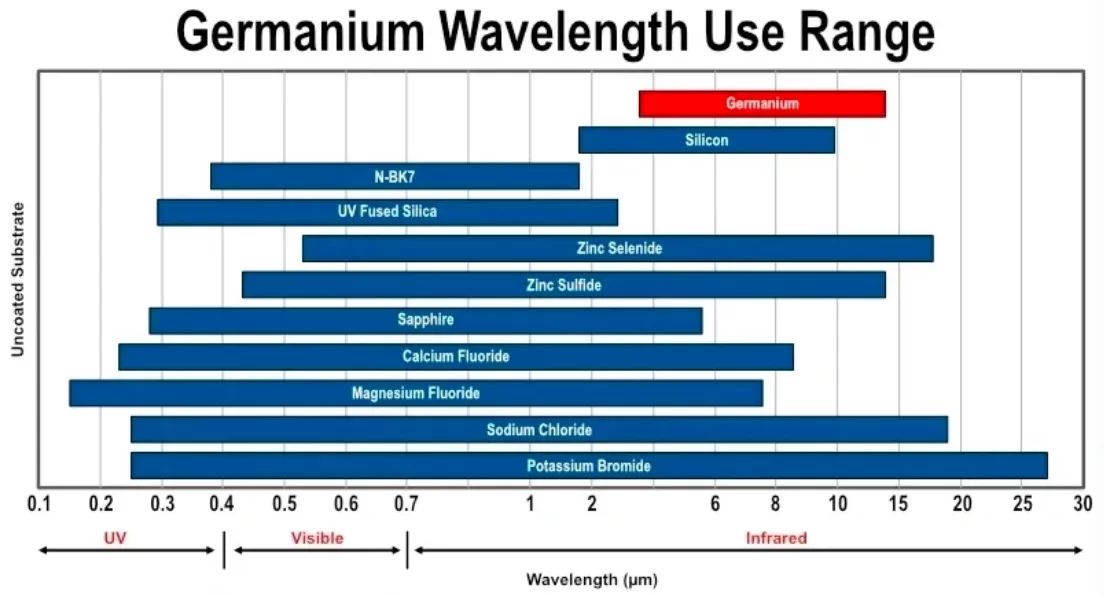
-Ge exhibits high transparency over a broad wavelength range, from 2 μm to 14 μm, covering the mid-infrared and long-wave infrared regions.
-It has a relatively high refractive index of around 4.0 in the infrared region, which is useful for optical components requiring high refractive index materials.
-Ge has a low thermal expansion coefficient and high thermal conductivity, making it resistant to thermal stress and suitable for high-power applications.
Optical Applications
-Infrared Optics: Ge is extensively used for infrared optics, such as lenses, windows, prisms, and beam splitters, due to its broad transparency range and low absorption in the infrared region.
-Thermal Imaging: Ge lenses and windows are employed in thermal imaging systems, night vision devices, and infrared cameras for their excellent mid-infrared and long-wave infrared transmission.
-Fiber Optics: Ge is used as a core material in infrared optical fibers for applications in communication systems, sensing, and spectroscopy.
-Detectors: Ge is used as a photodetector material for infrared radiation detection and imaging applications.
Fabrication and Processing
-Thin films of Ge can be deposited using techniques such as molecular beam epitaxy (MBE), chemical vapor deposition (CVD), and sputtering.
-Ge can be doped with various elements, such as gallium or antimony, to modify its electrical and optical properties for specific applications.
Challenges and Limitations
-Ge is a relatively soft material with a Mohs hardness of around 6.5, making it susceptible to scratches and abrasion, which can limit its use in certain applications.
-Ge has a relatively low melting point (937°C) compared to other semiconductor materials, which can pose challenges during high-temperature processing or applications.
More from this supplier
HT Optics Technology Co. LLC.