Image not available
Industrial manufacturing
LCNG Gas Filling Equipment China Suppliers and Factory
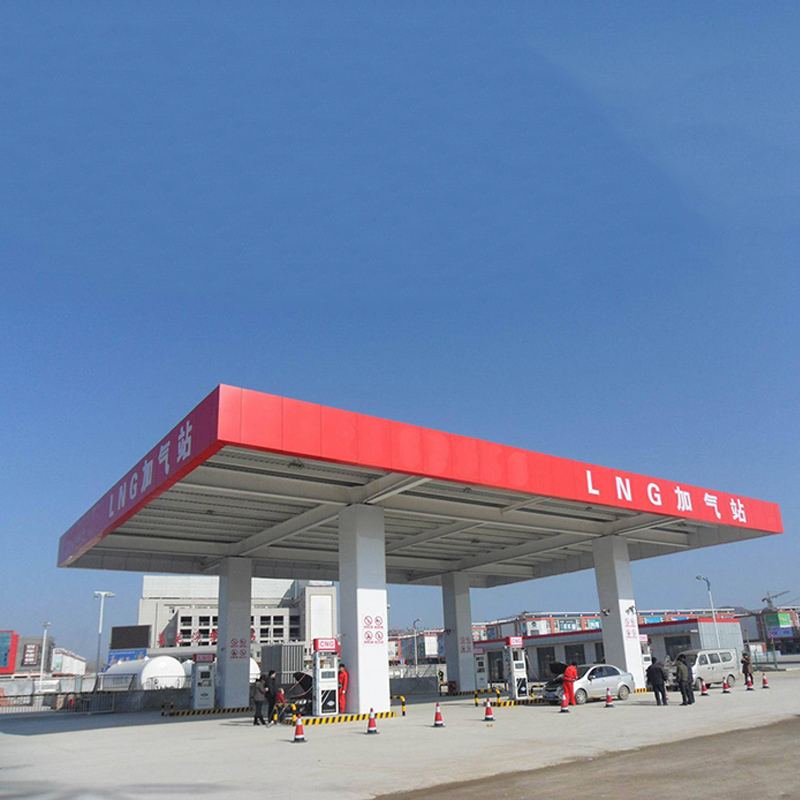
Leading China factory and suppliers of L-CNG gas filling equipment. This innovative technology vaporizes LNG and compresses it to 20MPa CNG to fill automobiles efficiently through a gas dispenser, reducing energy costs and improving safety.
SupplierHEBEI OUYINUO GAS EQUIPMENT CO.,LTD.www.gasouyinuo.com
Source categories
About this product
Product information from the supplier.
L-CNG Gas Filling Equipment represents a breakthrough in natural gas refueling technology, offering a highly efficient alternative to traditional high-capacity CNG compressors. By leveraging low-temperature high-pressure pump technology, this system significantly reduces energy consumption and operational costs, overcoming the limitations of conventional master stations and providing a scalable solution for modern energy infrastructure.
Designed for maximum reliability and safety, L-CNG systems eliminate the complexities and high maintenance costs associated with large-displacement imported compressors. With a smaller physical footprint and the inherent flexibility to be upgraded to full LNG filling stations, this equipment is the ideal choice for operators seeking to optimize their transportation costs and embrace the global trend toward cleaner, liquefied natural gas energy.
Detailed Parameters
| Core Component | Low-temperature High-pressure Pump | Energy Efficiency | Ultra-Low Consumption |
|---|---|---|---|
| Storage Pressure | 7-8 bar (LNG State) | Dispensing Pressure | Up to 250 bar |
| Gas Purity | High (No filtration needed) | Vaporization Method | Atmospheric Convective Heat |
| Maintenance Level | Easy/Low Failure Rate | Installation Area | Compact/Small Footprint |
| Compatibility | Convertible to LNG Station | Transport Efficiency | High (LNG Tanker optimized) |
Key Advantages
Enhanced Safety
LNG storage pressure is maintained at only 7-8 bar, drastically reducing risks compared to 200 bar CNG storage.
Low Maintenance
Utilizes high-pressure pumps with lower failure rates than complex large-displacement compressors.
Cost Efficiency
Lower initial investment and reduced operational energy costs through natural vaporization.
High Gas Purity
The process ensures high purity without the need for additional dehydration or filtration devices.
Logistics Optimization
LNG tankers can supply multiple sub-stations, significantly lowering transportation costs versus CNG tankers.
Future-Proof Design
Easy modification to full LNG filling stations, eliminating obsolescence risks during energy upgrades.
Product Gallery
Management Platforms
Flow Monitoring
Real-time tracking of gas flow rates and dispensing accuracy for every vehicle.
Pressure Control
Automated regulation of high-pressure storage banks to ensure consistent fueling.
Leak Detection
Integrated safety sensors with instant alerts for pressure drops or gas leaks.
Emergency Shut-off
Rapid response valves that isolate systems automatically during critical failure events.
Fleet Scheduling
Optimized management for time-fill operations to maximize overnight refueling efficiency.
Compliance Tracking
Digital logging of safety checks to meet NFPA and ISO international regulations.
Investment Return Comparison
| Comparison Factor | Traditional CNG Station | L-CNG System |
|---|---|---|
| Initial Investment | High (Large Compressors) | Lower (Pump Based) |
| Energy Consumption | High (Electrical Compression) | Ultra-Low (Natural Vaporization) |
| Operational Risk | Higher (200 bar storage) | Lower (7-8 bar storage) |
| Logistics Cost | High (Frequent Tankers) | Low (High Capacity LNG) |
| Upgrade Path | Difficult / Costly | Seamless to LNG Station |
Frequently Asked Questions
Q: What is the primary difference between L-CNG and traditional CNG stations?
Traditional stations rely on massive compressors to pressurize gas, while L-CNG uses low-temperature pumps and natural vaporization, resulting in lower energy costs, smaller footprints, and higher safety.
Q: How does L-CNG improve transportation costs?
LNG has a much higher energy density than CNG. A single LNG tanker can supply multiple sub-stations, reducing the number of trips and total vehicle weight compared to CNG tankers.
Q: Is it possible to convert an L-CNG station to a full LNG station later?
Yes, one of the key advantages of L-CNG equipment is its flexibility. It can be modified to a full LNG filling station with minimal additional investment as demand grows.
Q: What are the safety benefits of L-CNG storage?
LNG is stored at very low pressures (typically 7-8 bar), whereas traditional CNG is stored at extremely high pressures (around 200 bar), significantly reducing the risk of high-pressure ruptures.
Q: Does L-CNG require complex filtration systems?
No. Due to the liquefaction process, the gas purity is naturally very high, meaning the system can operate efficiently without expensive dehydration or filtration devices.
Q: What is the difference between fast-fill and time-fill stations?
Fast-fill stations refuel vehicles in 3-10 minutes for public use, while time-fill stations refuel slowly over several hours, ideal for private corporate fleets with overnight schedules.
Ready to Optimize Your Gas Infrastructure?
Contact UsMore from this supplier
HEBEI OUYINUO GAS EQUIPMENT CO.,LTD.