
Image not available
Industrial manufacturing
CNG Decompression Equipment Factory Leading Suppliers in China
High-performance CNG decompression equipment from a leading China factory. Our professional suppliers provide advanced multi-stage heat exchange systems for safe and efficient gas supply to residential and industrial networks.
SupplierHEBEI OUYINUO GAS EQUIPMENT CO.,LTD.www.gasouyinuo.com
Source categories
About this product
Product information from the supplier.
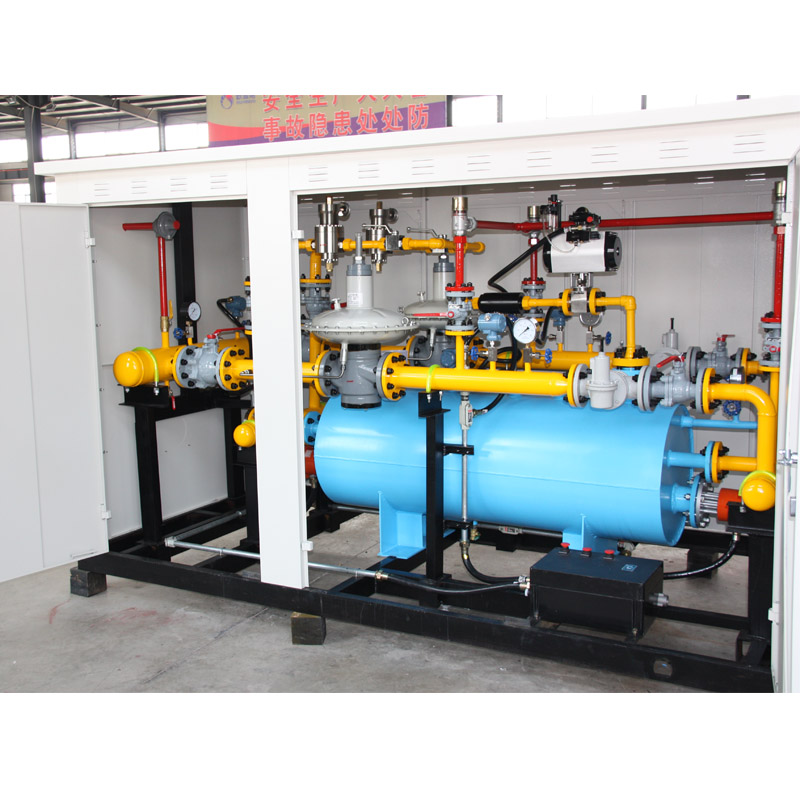
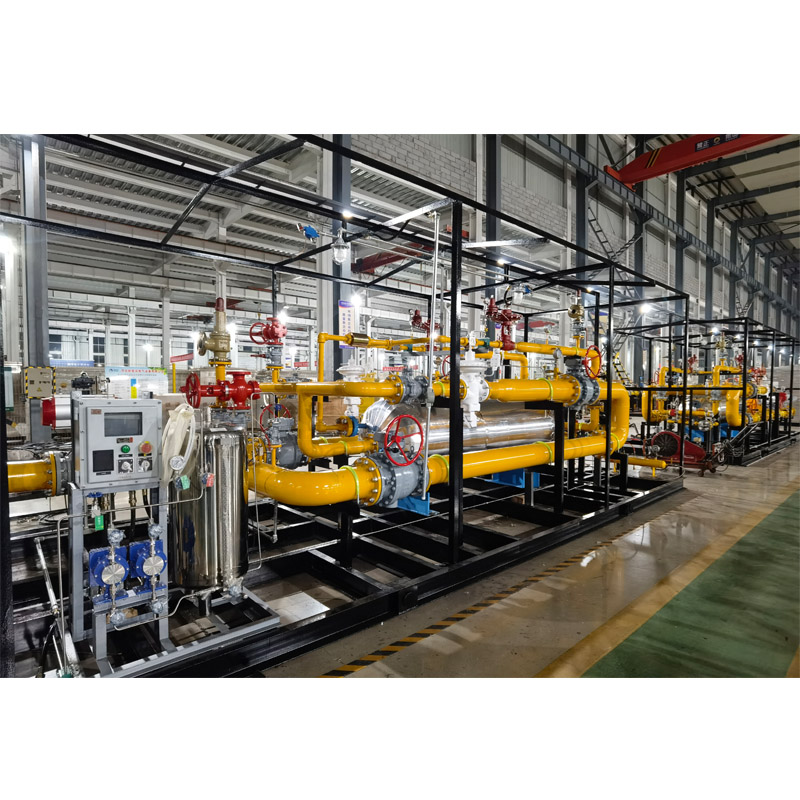
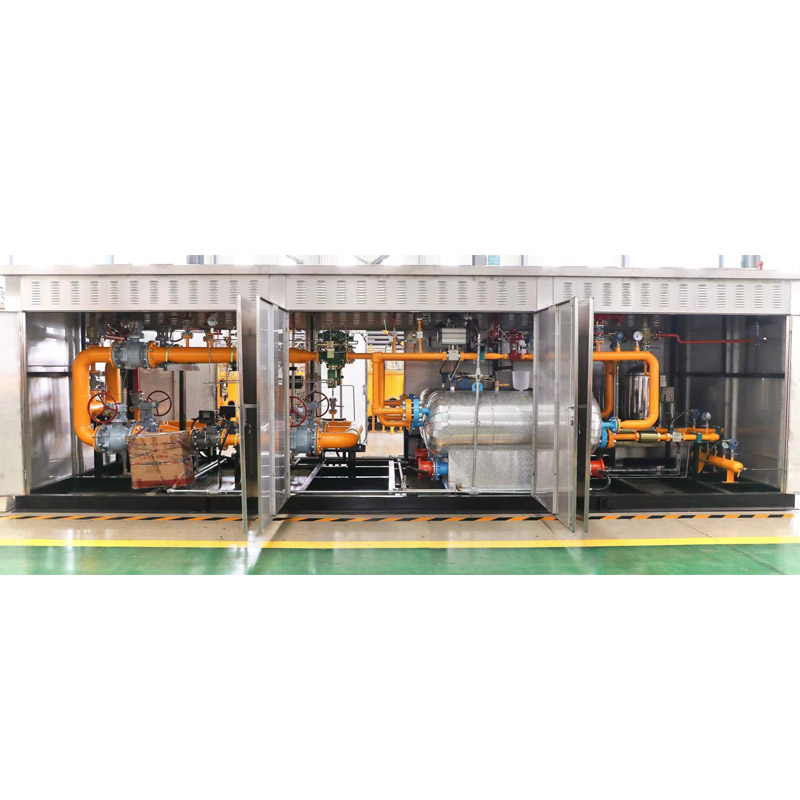
Our high-performance CNG Decompression Equipment is engineered to facilitate the seamless transition of compressed natural gas from high-pressure transport tankers to regional pipeline networks. By utilizing advanced multi-stage heat exchange and precise pressure regulation, our systems ensure a stable, safe, and efficient gas supply for residential and industrial users, typically serving scales of 2,000 to 4,000 households with optimal flow rates between 200-5,000Nm³/h.
Designed for economic viability and rapid deployment, this system is ideal for distances up to 500km between the CNG station and the end-use point. Whether employing secondary or tertiary pressure regulation technology, our equipment integrates unloading, heating, metering, and odorization systems into a cohesive unit, providing a low-investment, quick-payback solution that can evolve into a primary or emergency gas source for future long-distance pipeline infrastructures.
Detailed Parameters
| Maximum Flow Rate | 300 - 5,000 Nm³/h | Regulation Levels | Secondary or Third-stage |
|---|---|---|---|
| Inlet Temperature | 65-85 °C | Outlet Gas Temp | 10-20 °C |
| Post-regulation Pressure | 0.1 - 0.4 Mpa (Final) | Inlet Diameter | DN25 - DN50 |
| Outlet Diameter | DN50 - DN150 | Equipment Weight | 2.6 - 4.6 t |
| Dimensions (m) | 6.5 x 2 x 2.3 | Boiler Power | 2.0 - 25 Large Calorie |
Key Advantages
Safety-First Design
Integrated high-pressure emergency cutoff valves and relief valves ensure absolute safety during decompression.
Rapid Payback
Small investment scale and short construction periods lead to an accelerated return on investment.
Thermal Efficiency
Multi-stage heat exchangers prevent freezing and maintain optimal gas temperature during pressure reduction.
Smart Control
Centralized console monitoring for interlocking control of pressures, temperatures, and flow rates.
Precise Metering
Integrated high-precision flow metering and odorization systems for strict regulatory compliance.
Flexible Scaling
Available in multiple models (CNG-300 to CNG-5000) to match specific household supply requirements.
Product Gallery
Management Platforms
Unloading System
Management of high-pressure hoses, quick couplers, and valves for efficient tanker connection.
Pressure Regulation
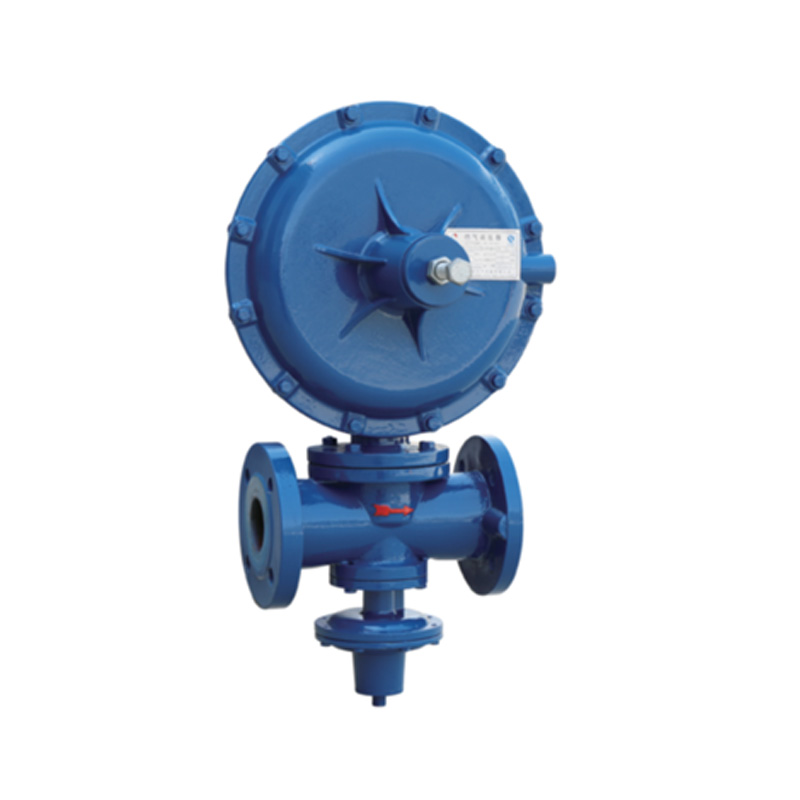
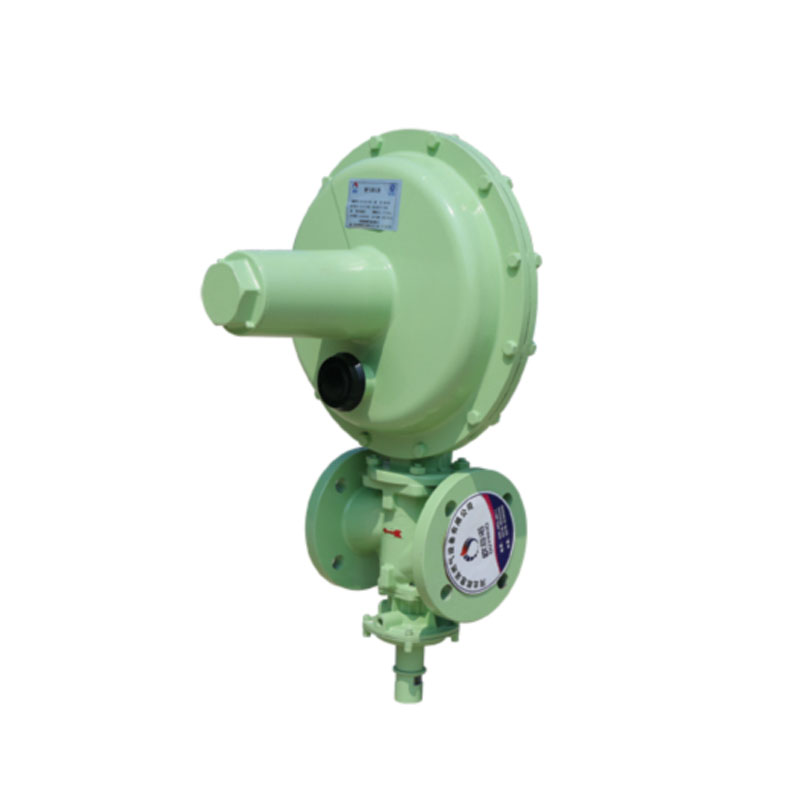
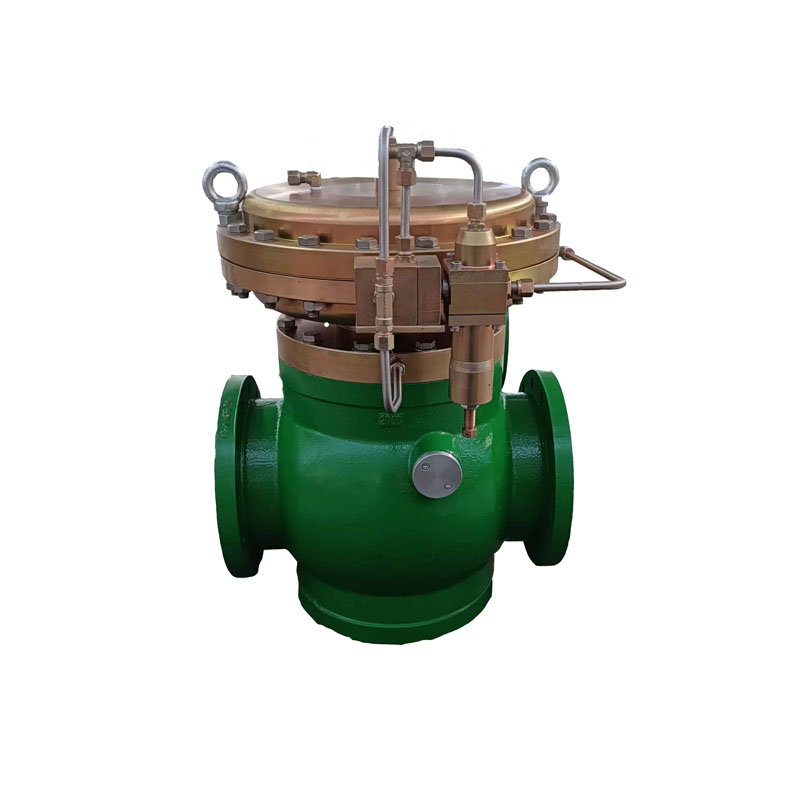
Step-down control via secondary or tertiary regulation to reach target pipeline pressures.
Heat Exchange Control
Monitoring of return water temperatures (60°C) to maintain gas flow stability.
Metering & Odorization
Real-time flow tracking and safety odorization before delivery to the network.
Central Monitoring
Integrated console for interlocking control of all key valves and system switches.
Heating Plant
Management of gas boilers and hot water pumps to provide essential thermal energy.
Investment Return Comparison
| Metric | Traditional Pipeline | CNG Decompression System |
|---|---|---|
| Investment Scale | Extremely High | Low to Moderate |
| Construction Period | Long-term (Years) | Short-term (Months) |
| Payback Speed | Slow | Rapid |
| Deployment Flexibility | Fixed Route | Highly Flexible/Modular |
| Emergency Capability | Limited | Excellent Peak Load Support |
Frequently Asked Questions
Q: What is the difference between secondary and third pressure regulation?
Secondary regulation decompresses gas in two stages (e.g., to 1.0-4.0MPa then 0.1-0.4MPa), while tertiary regulation adds a third stage (e.g., 3.0-7.5MPa → 1.6-2.5MPa → 0.1-0.4MPa) for more precise control and stability at higher capacities.
Q: Why is heat exchange necessary in CNG decompression?
Rapid decompression causes a significant drop in gas temperature (Joule-Thomson effect). Heat exchangers prevent the equipment from freezing and ensure the gas reaches the required outlet temperature of 10-20°C.
Q: What is the ideal supply scale for a CNG decompression station?
Typically, these stations are most economic when supplying 2,000-4,000 households with an air supply rate of 200-5,000Nm³/h.
Q: Can this equipment serve as a backup for existing pipelines?
Yes, the system is designed to serve as an effective peak load and emergency gas source for future long-distance pipeline networks.
Q: What are the core components of the decompression system?
The system consists of an unloading system, pressure regulating heat exchange system, flow metering system, central control system, and a dedicated heating system.
Q: What is the economic transport range for CNG?
Generally, a distance of 300km between the CNG station and the point of use is considered most economic, and typically does not exceed 500km.
Ready to Optimize Your Gas Supply Infrastructure?
Contact UsMore from this supplier
HEBEI OUYINUO GAS EQUIPMENT CO.,LTD.