

Image not available

Hardware & tools
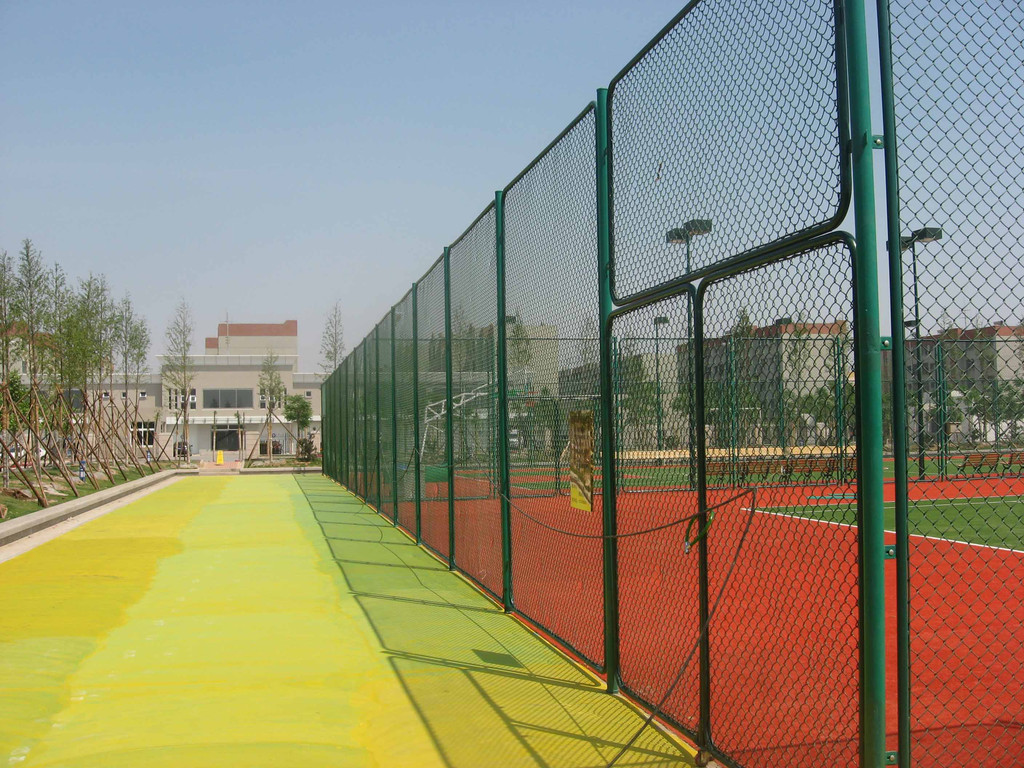
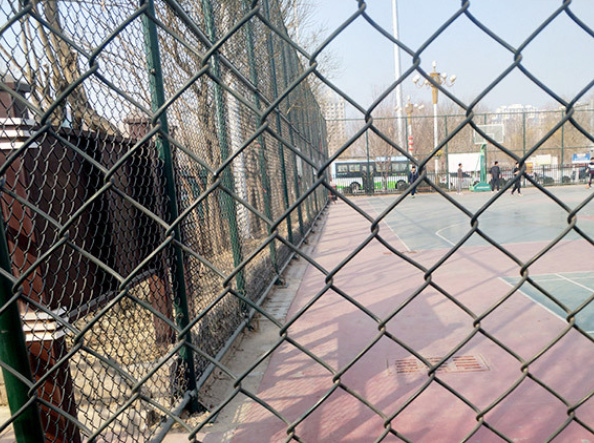
Hot Dipped Galvanized PVC Coated Sports Field Fence Diamond Chain Link Wire Mesh Fence for Basketball Football Tennis Court Stadium Playground
Sports field fencing encompasses a range of specialized barrier systems designed for athletic venues. These include ball containment fencing, perimeter security fencing, spectator barriers, and protective netting systems. Materials typically include galvanized steel
SupplierAnping Dongjie Wire Mesh Products Co., Ltd.www.djfencemesh.com
Source categories
About this product
Product information from the supplier.
Types of Sports Field Fencing
| Type | Material | Key Features | Typical Applications |
|---|---|---|---|
| Chain Link Fencing | Galvanized/PVC-coated steel | Economical, durable, good visibility | General sports fields, tennis courts |
| Welded Mesh Fencing | Galvanized steel wire | Rigid, tamper-resistant, clean appearance | Football pitches, baseball fields |
| Ball Stop Netting | Nylon, HDPE, polyester | High-impact absorption, lightweight | Golf courses, driving ranges, cricket |
| Rebound Fencing | High-tensile steel | Ball rebound control, durable | Five-a-side football, handball |
| Spectator Barriers | Steel, aluminum | Crowd control, anti-climb | Stadiums, arenas, racecourses |
| Temporary Fencing | Aluminum, steel | Portable, rapid deployment | Events, tournaments, training camps |
| Acrylic Court Fencing | Acrylic panels + metal frame | Wind protection, visibility | Tennis, padel, pickleball |
Key Performance Specifications
When selecting sports field fencing, buyers should evaluate:
Height – Typically 3m–6m for ball containment; 1.2m–2.0m for perimeter
Mesh Size – Determines ball retention; smaller mesh for smaller balls
Wire Diameter – 2.5mm–4.0mm depending on impact loads
Post Spacing – 2.5m–3.0m for standard systems
Impact Resistance – Engineered for sport-specific ball velocities
Corrosion Protection – Hot-dip galvanizing (60–120 g/m²) or PVC coating
Wind Load Rating – Critical for exposed venues and netting systems
Foundation Type – Concrete footings sized for wind and impact loads
Sport-Specific Considerations
| Sport | Recommended Fence Height | Mesh Size | Key Requirement |
|---|---|---|---|
| Football / Soccer | 4m–6m behind goals | 50×50mm | Ball containment, player safety |
| Baseball / Softball | 6m–12m backstop | 45×45mm | High-impact ball capture |
| Tennis | 3m–4m | 45×45mm | Wind management, visibility |
| Golf | 10m–30m netting | 25×25mm or netting | Maximum ball containment |
| Cricket | 4m–8m | 50×50mm | Boundary protection |
| Hockey | 4m–5m | 45×45mm | Ball and stick containment |
| Rugby | 1.2m–2.0m perimeter | 50×50mm | Spectator and pitch separation |
Applications Across Sports Venues
Professional Stadiums – Perimeter security, spectator segregation, ball containment
Community Sports Fields – Boundary fencing, ball stop netting
Schools and Universities – Multi-sport courts, playing fields
Training Facilities – Practice cages, rebound walls, netting systems
Golf Courses and Driving Ranges – High netting for ball containment
Tennis and Padel Clubs – Court enclosure, wind screening
Equestrian Centres – Paddock and arena fencing
Market Trends Driving Demand
1. Sports Infrastructure Investment
Government and private investment in sports facilities is growing globally, driven by health initiatives, major events, and community development programs.
2. Safety Regulations
Sporting bodies and local authorities are imposing stricter safety requirements for ball containment and spectator protection.
3. Multi-Sport Facilities
Demand is rising for adaptable fencing systems that accommodate multiple sports within shared venues.
4. Premium Materials
PVC-coated and powder-coated systems are increasingly preferred for their appearance, longevity, and low maintenance.
5. Smart Integration
Fencing is being combined with LED lighting, camera mounts, and digital signage for enhanced venue functionality.
6. Temporary and Modular Systems
Events and tournaments are driving demand for portable, rapidly deployable fencing solutions.
Choosing the Right Supplier
For sports clubs, contractors, and facility managers, selecting a reliable sports field fencing manufacturer is essential. Key criteria include:
Certifications – ISO 9001, material test certificates, compliance with sport-specific standards
Custom Engineering – Ability to design for specific field dimensions, wind loads, and ball impact requirements
Coating Quality – Verified galvanizing weight, PVC adhesion, and color consistency
Complete Systems – Posts, mesh, gates, netting, and accessories from a single source
Installation Support – Detailed drawings, foundation plans, and on-site guidance
Supply Chain Reliability – Consistent lead times for project schedules
Feel free to communicate your thoughts with me through the contact information below!
WhatsApp/WeChat:+8613363300602
Email:admin@dongjie88.com
More from this supplier
Anping Dongjie Wire Mesh Products Co., Ltd.


