Image not available
Non-metallic minerals
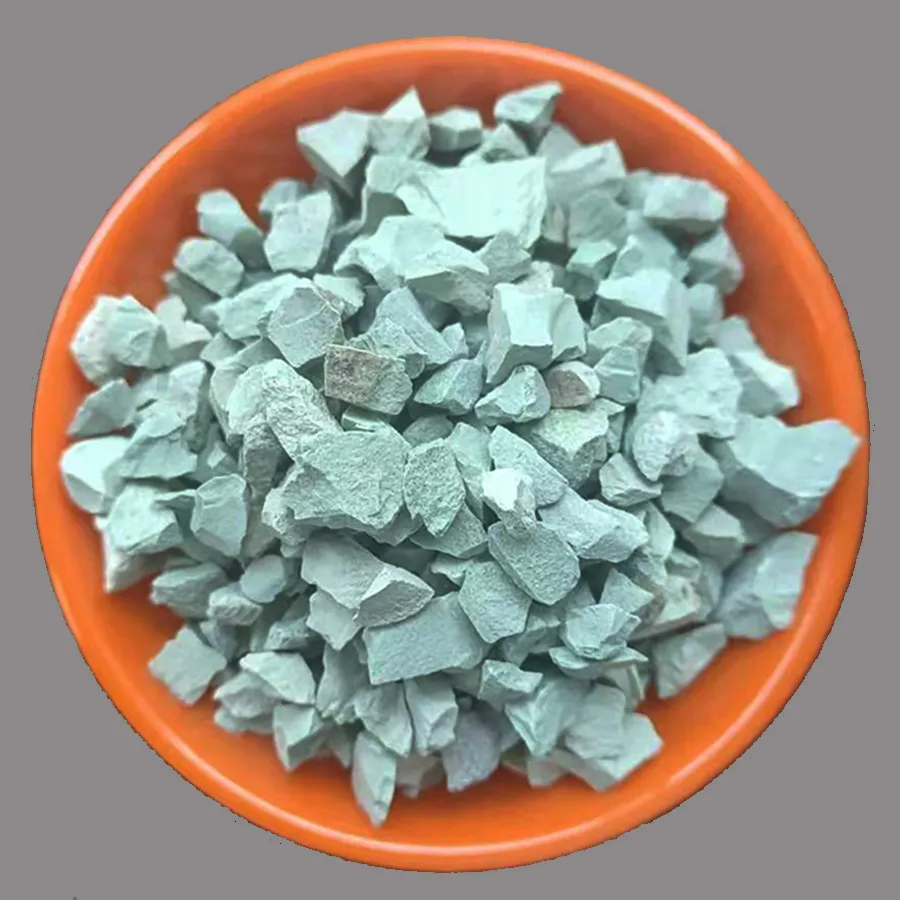
Premium Clinoptilolite Zeolite China Suppliers Industrial Grade Zeolite Factory
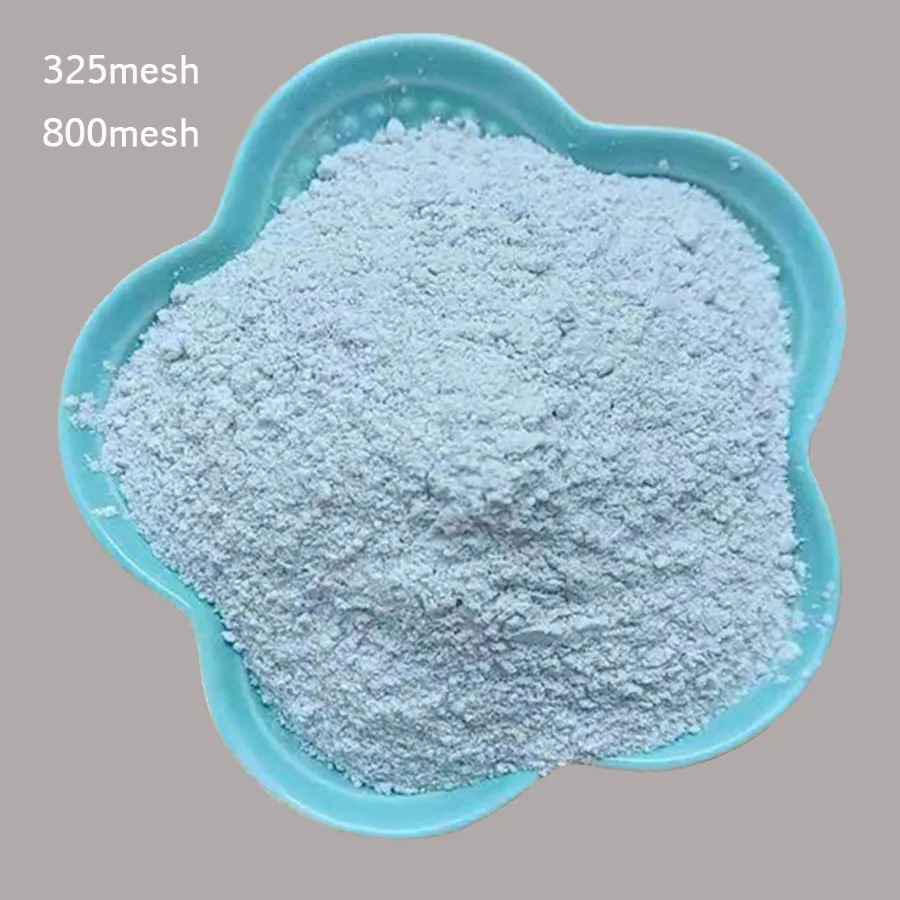
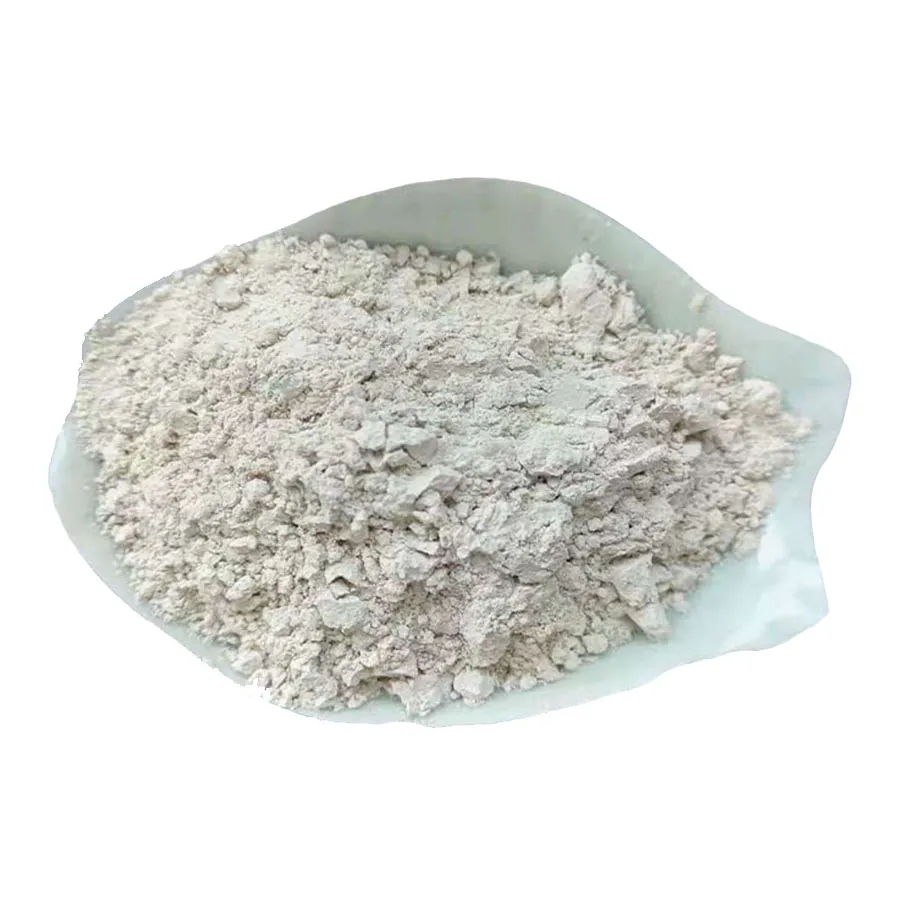
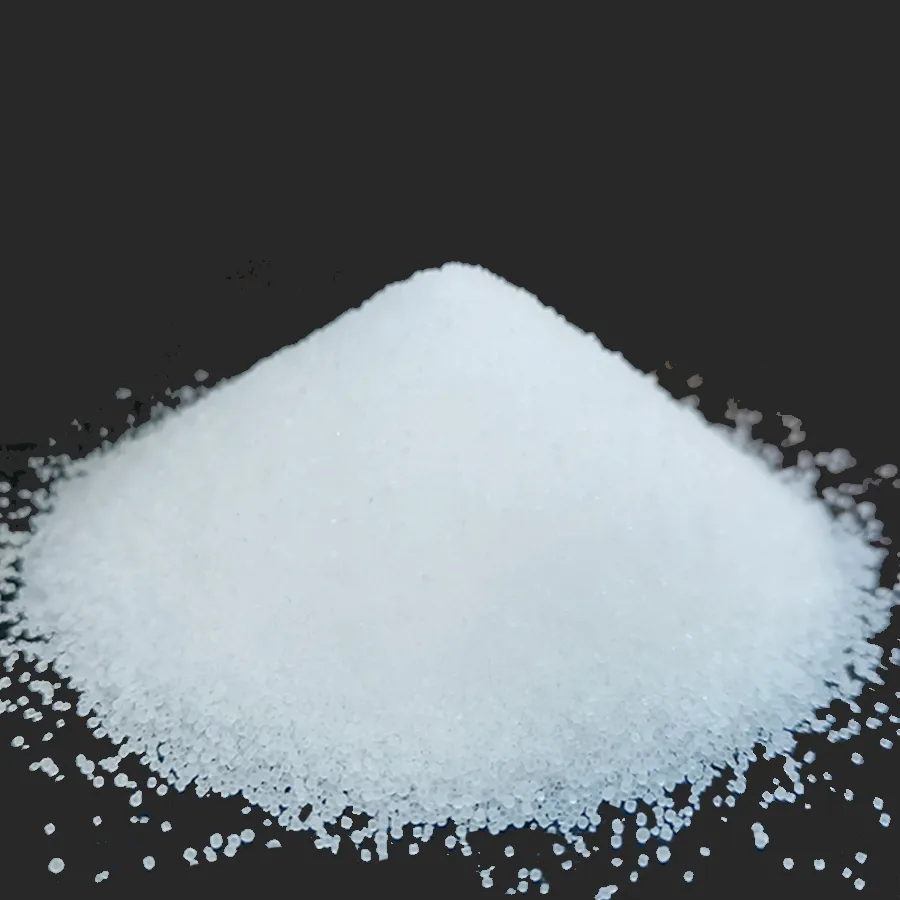
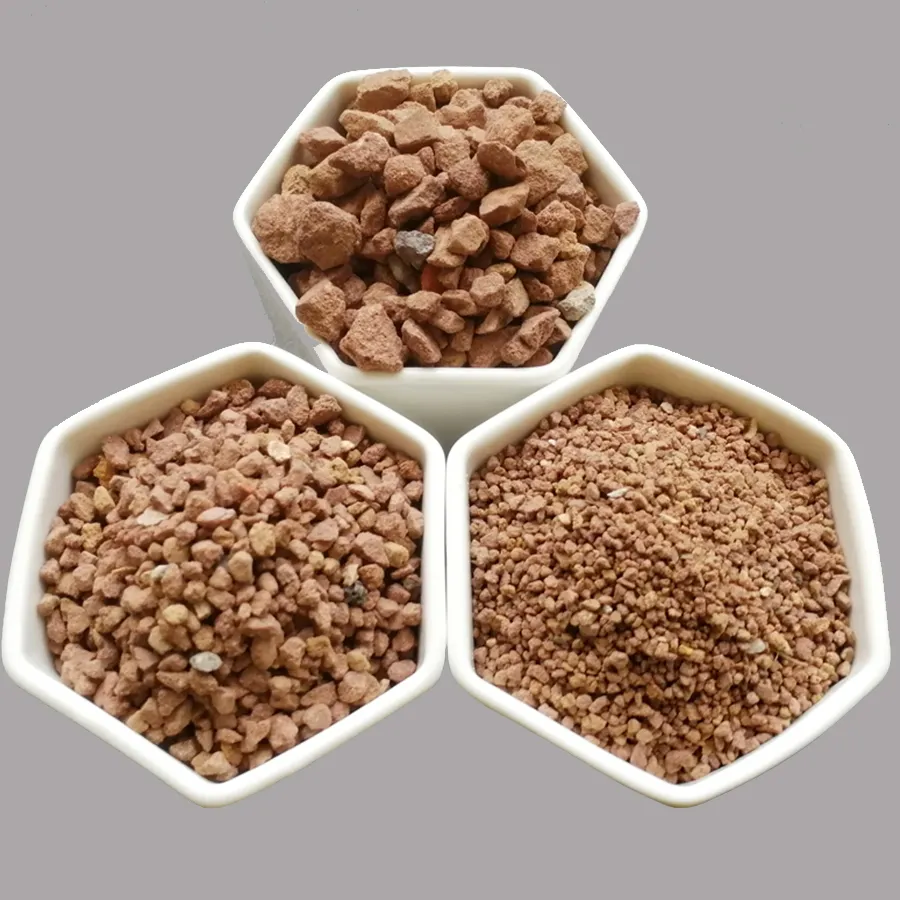
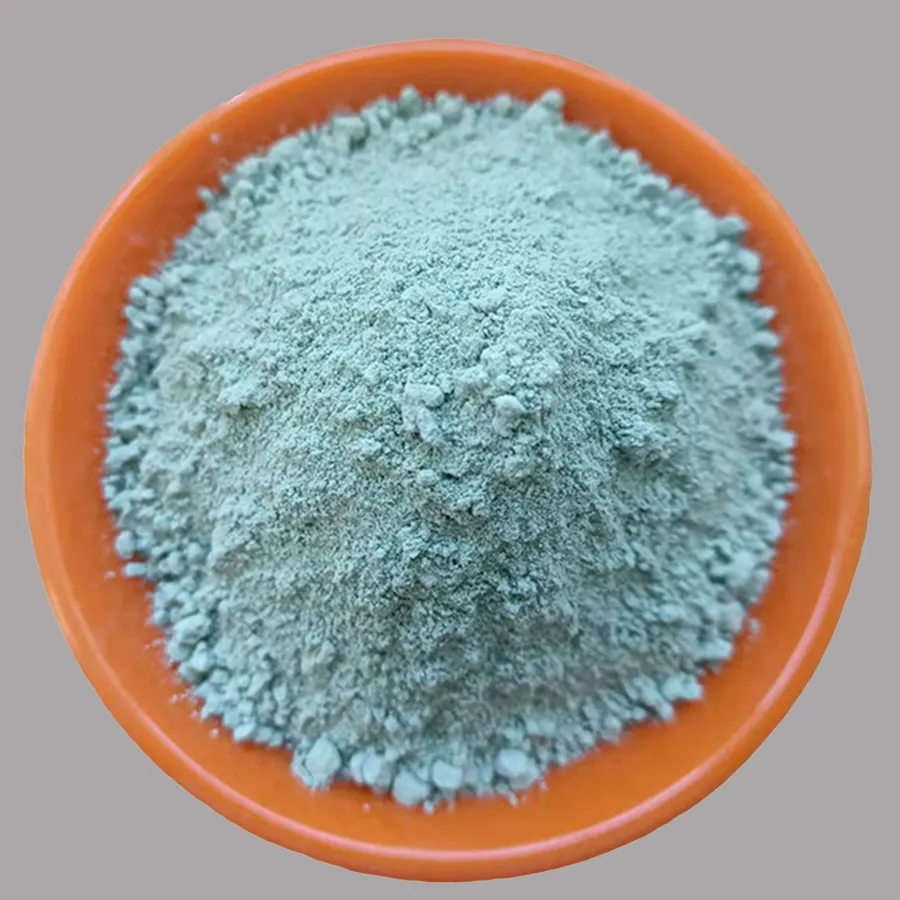
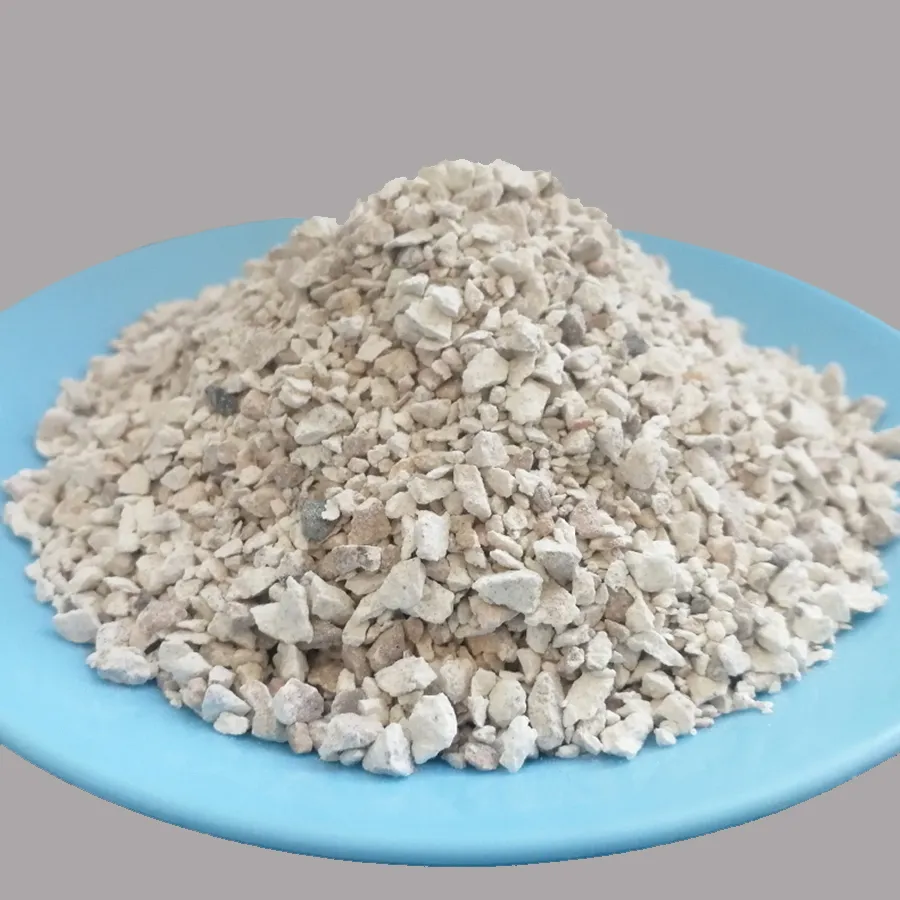
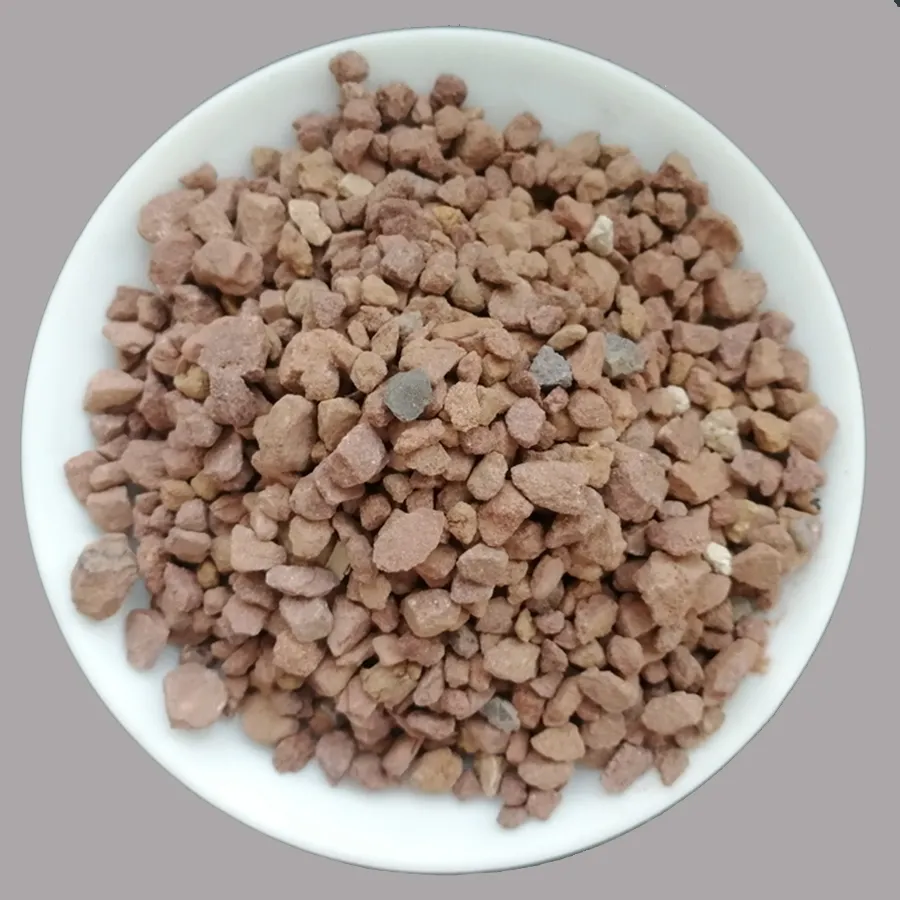
Looking for high-performance Zeolite Clinoptilolite? As leading China suppliers and a professional factory, we provide premium particles and powder in white, yellow, and red. CAS NO. 1318-02-1. Ideal for water treatment, agriculture, and industrial ion exchange.
SupplierShijiazhuang Baifeng Mining Co.,Ltdwww.baifengmining.com
Source categories
About this product
Product information from the supplier.
Zeolite, specifically the clinoptilolite variety, is a high-performance microporous aluminosilicate mineral renowned for its exceptional ion-exchange capacity and molecular sieving properties. Naturally sourced from high-quality deposits, our clinoptilolite serves as a critical industrial agent across water treatment, agriculture, and chemical processing, providing a sustainable and efficient solution for pollutant removal and nutrient management.
Engineered for maximum purity and consistency, this natural zeolite features a unique crystalline structure that allows it to selectively adsorb ammonium, heavy metals, and other contaminants. Whether utilized in environmental remediation or as a catalyst support in manufacturing, our premium zeolite ensures optimal operational efficiency and long-term stability for complex industrial applications.
Detailed Parameters
| Mineral Type | Clinoptilolite Zeolite | Chemical Formula | (Na,K,Ca)2-3Al3(Al,Si)2Si8O20·11H2O |
|---|---|---|---|
| Purity (Al2O3) | Standard Industrial Grade | Cation Exchange Capacity | High CEC Value |
| Physical Form | Granular / Powder | Mesh Size | Customizable (0.1mm - 5mm) |
| Bulk Density | Approximately 0.7-0.9 g/cm³ | Moisture Content | < 10% (Adjustable) |
| Color | Off-white to Light Grey | Solubility | Insoluble in Water |
Key Advantages
High Ion Exchange
Superior capacity to swap sodium ions for ammonium and heavy metals, ensuring purity in liquid streams.
Extended Lifespan
Durable crystalline structure that resists mechanical wear and allows for multiple regeneration cycles.
Eco-Friendly Material
100% natural mineral origin, non-toxic and biodegradable, making it ideal for green industry standards.
Versatile Application
Efficiently used across aquaculture, livestock bedding, soil amendment, and wastewater filtration.
Precise Grading
Strict particle size distribution control to ensure optimal flow rates and filtration efficiency.
Cost-Effectiveness
Reduces overall operational costs by replacing expensive synthetic resins with natural alternatives.
Product Gallery
Management Platforms
Supply Chain Optimization
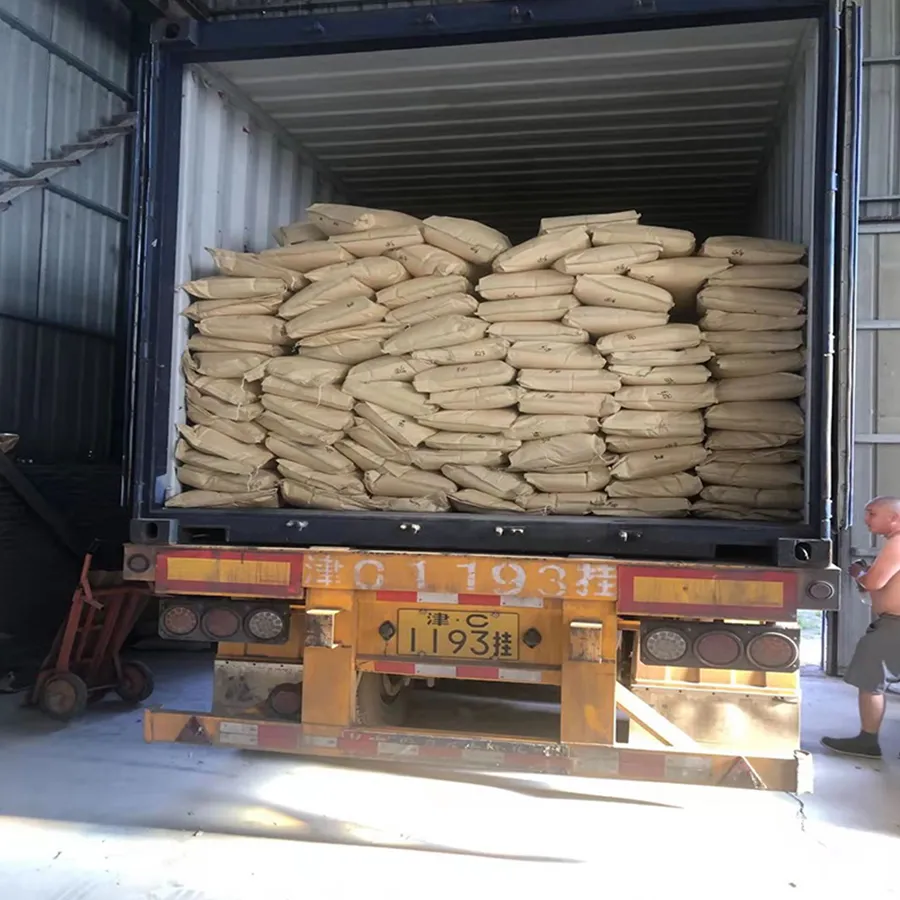
Integrated logistics tracking for large-scale mineral shipments to ensure on-time delivery.
Quality Control System
Strict batch-testing protocols to maintain consistent purity and ion-exchange capacities.
Compliance Monitoring
Full adherence to international mining and environmental regulations for sustainable sourcing.
Inventory Management
Real-time stock monitoring for various mesh sizes to support urgent industrial demands.
Custom Processing
Tailored grinding and screening services to meet specific client technical requirements.
Technical Support
Expert guidance on dosage and application methods for maximizing zeolite efficiency.
Investment Return Comparison
| Performance Metric | Synthetic Resins | Natural Zeolite |
|---|---|---|
| Material Cost | High Initial Investment | Low Cost / High Volume |
| Regeneration Ease | Complex Chemical Process | Simple Brine Wash |
| Environmental Impact | Chemical Residue Risks | Eco-Friendly / Natural |
| Durability | Degrades Over Time | Highly Stable Mineral |
| ROI Period | Long-term Recovery | Rapid Cost Recovery |
Frequently Asked Questions
Q: What is the primary difference between Zeolite and Clinoptilolite?
Zeolite is a broad category of aluminosilicate minerals; Clinoptilolite is a specific type of natural zeolite known for its superior ion-exchange capacity, particularly for ammonium and cesium.
Q: How is natural zeolite used in wastewater treatment?
It acts as a molecular sieve and ion exchanger, removing heavy metals and ammonia from industrial effluent and municipal wastewater through adsorption.
Q: Can zeolite be regenerated after use?
Yes, most natural zeolites can be regenerated using a salt solution (brine), which flushes out the captured ions and restores the mineral's exchange capacity.
Q: Is clinoptilolite safe for agricultural use?
Absolutely. It is a natural mineral that improves soil aeration, water retention, and slowly releases nutrients, enhancing crop growth without toxic chemicals.
Q: Which mesh size is best for filtration systems?
The ideal size depends on the flow rate and target pollutant; typically, 1-5mm granules are used for large filters, while fine powders are used for chemical additives.
Q: How does zeolite contribute to livestock health?
When used in bedding, it absorbs ammonia and moisture, reducing respiratory issues in animals and improving overall hygiene in the barn environment.
Ready to Optimize Your Industrial Process with Premium Zeolite?
Contact UsMore from this supplier
Shijiazhuang Baifeng Mining Co.,Ltd