Image not available
Lighting & electrical
HighConductivity Grounding Electrode China Factory and Trusted Suppliers
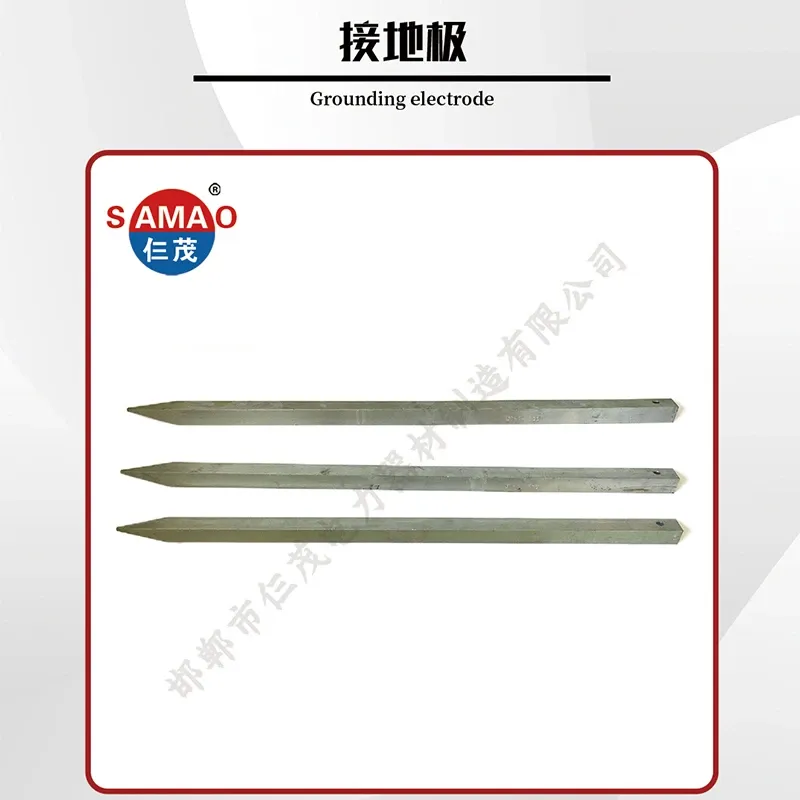
Looking for reliable grounding electrode China suppliers? Our factory provides high-conductivity metal electrodes and galvanized angle steel solutions designed for maximum safety and lightning energy dispersion to protect your infrastructure.
SupplierHandan Samao Electric Power Equipment ManufacturingCo., LTD.www.samaoep.com
Source categories
About this product
Product information from the supplier.
A grounding electrode, also known as a grounding body, is a critical metal conductor or group of conductors designed to maintain direct and stable contact with the soil. As the most vital link in lightning protection engineering, it serves as the primary conduit for safely dispersing lightning energy, electrostatic induction, and electromagnetic induction currents directly into the earth, preventing catastrophic equipment failure and structural damage.
Effective grounding design is not a one-size-fits-all process; it requires a precise analysis of the project site's geological conditions. Factors such as soil resistivity, soil structure, moisture content, and available construction area directly dictate the shape, size, and material selection of the grounding grid. By optimizing the interface between the electrode and the earth, our grounding solutions ensure a low-impedance path that minimizes ground voltage and eliminates the risk of electric shock to personnel.
Detailed Parameters
| Electrode Type | Artificial & Natural Grounding | Core Material | High-Conductivity Metal Alloys |
|---|---|---|---|
| Primary Function | Lightning Energy Dispersion | Installation Target | Direct Soil Contact |
| Critical Design Factor | Soil Resistivity | Environmental Variable | Soil Moisture Content |
| Application Area | Lightning Protection Systems | Safety Goal | Reduction of Ground Voltage |
| Compatibility | Electrical Equipment Chassis | Protection Scope | Human Life & Asset Safety |
Key Advantages
Maximum Safety
Effectively reduces contact voltage to prevent electric shock and ensure personnel safety.
Rapid Dispersion
Accelerates the release of high-voltage lightning currents into the earth to protect circuitry.
Site-Specific Design
Customizable materials and dimensions based on specific soil resistivity and geological data.
EMI Mitigation
Provides a stable reference point to minimize electromagnetic interference in sensitive equipment.
High Reliability
Ensures a continuous electrical connection even under varying moisture and soil conditions.
Standard Compliance
Engineered to meet rigorous industrial standards for power distribution and control equipment.
Product Gallery
Management Platforms
Inventory Control
Real-time tracking of grounding components and electrode stock levels.
Design Integration
Seamlessly align electrode specifications with site geological surveys.
Maintenance Alerts
Scheduled monitoring of grounding resistance to ensure long-term efficacy.
Compliance Audit
Automated documentation for electrical safety and lightning protection codes.
Supply Chain Logistics
Optimized delivery of heavy-duty electrodes to remote project locations.
Technical Support
Direct access to engineering experts for soil resistivity calculations.
Investment Return Comparison
| Evaluation Metric | Standard Grounding | Advanced Optimized Grounding |
|---|---|---|
| Safety Level | Basic Protection | Maximum Risk Mitigation |
| System Longevity | Moderate Corrosion Rate | Extended Life Cycle |
| Installation Cost | Lower Initial Cost | Value-Driven Investment |
| Operational Downtime | Higher Risk of Surges | Minimized Equipment Failure |
| Maintenance Frequency | High / Regular Checks | Low / High Stability |
Frequently Asked Questions
Q: What is the difference between artificial and natural grounding electrodes?
Natural grounding utilizes existing metallic structures (like underground water pipes), while artificial grounding involves installing dedicated metal conductors specifically engineered for the site's soil conditions.
Q: Why is soil resistivity critical for grounding electrode design?
Soil resistivity determines how easily current flows into the earth. High resistivity requires larger electrodes or specialized grounding grids to ensure the lightning current is safely dispersed.
Q: How does a grounding electrode prevent electric shock?
By establishing a low-resistance path between non-electrified metal parts and the earth, it diverts fault currents away from humans and reduces the potential voltage of the equipment chassis.
Q: Can any metal be used as a grounding electrode?
No. The material must have high electrical conductivity and high corrosion resistance to withstand soil chemical reactions over several decades.
Q: What happens if the grounding system is insufficient?
Insufficient grounding can lead to "floating" potentials, causing electrical surges that destroy sensitive electronic components or result in dangerous step and touch voltages.
Q: How does moisture content affect the performance of the grounding electrode?
Moisture generally increases soil conductivity. In very dry soils, the effectiveness of a grounding electrode decreases, often requiring deeper installation or the use of soil enhancement materials.
Secure Your Infrastructure with Professional Grounding Solutions
Contact UsMore from this supplier
Handan Samao Electric Power Equipment ManufacturingCo., LTD.