Image not available
Lighting & electrical
HighPerformance Grounding Electrode China Suppliers and Factory
Reliable grounding electrode solutions from a leading China factory. Our suppliers provide precision-engineered conductors, including galvanized angle steels, to ensure low-impedance electrical connection and maximum safety against lightning strikes.
SupplierHandan Samao Electric Power Equipment ManufacturingCo., LTD.www.samaoep.com
Source categories
About this product
Product information from the supplier.
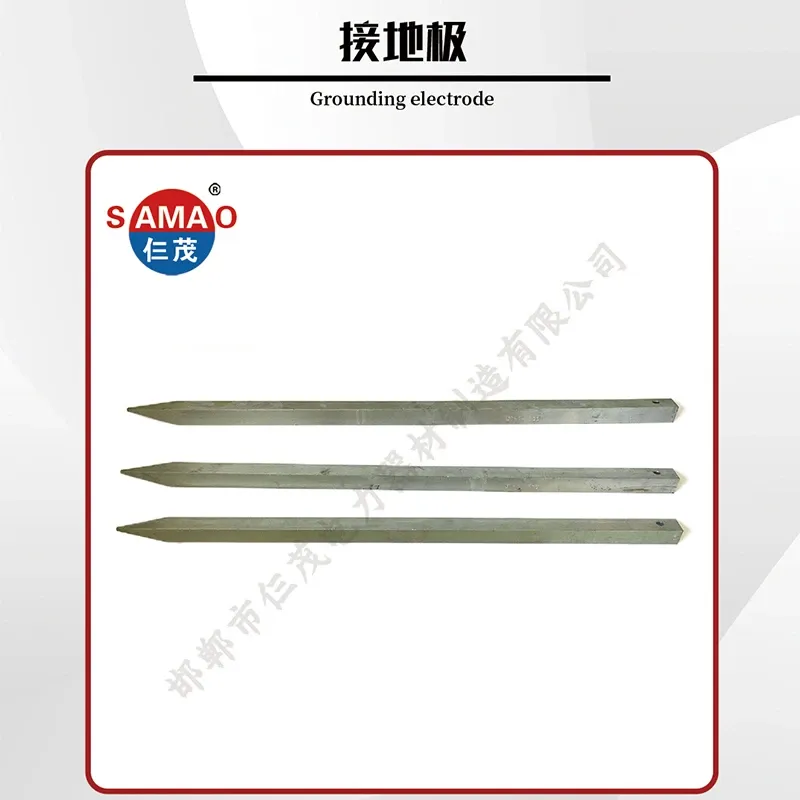
A grounding electrode, also known as a grounding body, is a critical metal conductor or group of conductors designed to establish a direct and secure electrical connection with the earth. As the fundamental link in lightning protection engineering, it ensures that high-voltage surges from lightning strikes, electrostatic induction, or electromagnetic interference are safely dispersed into the ground, protecting both infrastructure and personnel from catastrophic failure.
Effective grounding design is highly dependent on the surrounding geological environment. Factors such as soil resistivity, moisture content, and soil layer distribution directly influence the selection of materials, size, and configuration of the grounding grid. By implementing precision-engineered artificial grounding electrodes tailored to specific site conditions, industries can achieve a low-impedance path to earth, significantly reducing contact voltage and eliminating the risk of electric shock.
Detailed Parameters
| Electrode Type | Artificial & Natural Grounding | Core Function | Lightning Energy Dispersion |
|---|---|---|---|
| Material Compatibility | High-Conductivity Metals | Design Basis | Soil Resistivity Analysis |
| Environmental Factors | Moisture & Soil Structure | Application Area | Power Distribution & Control |
| Safety Goal | Contact Voltage Reduction | Protection Scope | Non-electrified Metal Parts |
| Technical Standard | Lightning Protection Norms | Installation Focus | Direct Soil Contact |
Key Advantages
Enhanced Safety
Establishes a reliable metal connection to prevent electric shock by reducing ground voltage.
Long-term Stability
Engineered to withstand soil corrosion and maintain conductivity over extended lifecycles.
Precision Engineering
Customizable shapes and materials based on specific geological soil resistivity data.
Rapid Energy Release
Efficiently channels lightning currents into the earth to protect sensitive equipment.
Site-Specific Optimization
Optimized design based on moisture content and soil layer distribution for maximum effect.
Industry Compliance
Strictly adheres to professional lightning protection and electrical grounding standards.
Product Gallery
Management Platforms
Inventory Control
Real-time tracking of electrode stock and hardware categories.
Technical Design
Integration of soil resistivity data into electrode specification.
Safety Monitoring
Regular auditing of grounding resistance levels for compliance.
Installation Tracking
Detailed mapping of grounding grids across project locations.
Quality Assurance
Strict material testing for conductivity and corrosion resistance.
Logistics Sync
Streamlined delivery of power fittings and grounding components.
Investment Return Comparison
| Evaluation Factor | Standard Grounding | Professional Engineering Grounding |
|---|---|---|
| Equipment Lifespan | Moderate | Significantly Extended |
| Failure Risk | Higher (Environmental Sensitivity) | Minimal (Site-Optimized) |
| Maintenance Cost | Frequent Checks Required | Low Long-term Maintenance |
| Safety Rating | Basic Compliance | High-Level Protection (E-E-A-T) |
| ROI Period | Short-term Savings | Long-term Asset Protection |
Frequently Asked Questions
Q: What is the difference between artificial and natural grounding electrodes?
Natural grounding electrodes utilize existing metallic structures already in contact with the earth, while artificial grounding electrodes are specifically engineered conductors installed into the soil to achieve a desired resistance value.
Q: Why is soil resistivity important in grounding design?
Soil resistivity determines how easily electrical current flows into the earth. Since different soils have different conductivity, measuring resistivity is essential to determine the correct size, material, and depth of the grounding electrode.
Q: How does a grounding electrode protect against lightning?
It provides a low-impedance path that attracts and directs the massive electrical energy of a lightning strike safely away from buildings and equipment, dispersing it directly into the earth.
Q: What is the purpose of protective grounding?
Protective grounding connects non-electrified metal parts of electrical equipment to the electrode, reducing potential voltage differences and preventing lethal electric shocks to operators.
Q: Can moisture content affect the performance of the grounding system?
Yes, moisture significantly increases soil conductivity. Grounding designs must account for seasonal moisture fluctuations to ensure the system remains effective throughout the year.
Q: Which other power fittings are used with grounding electrodes?
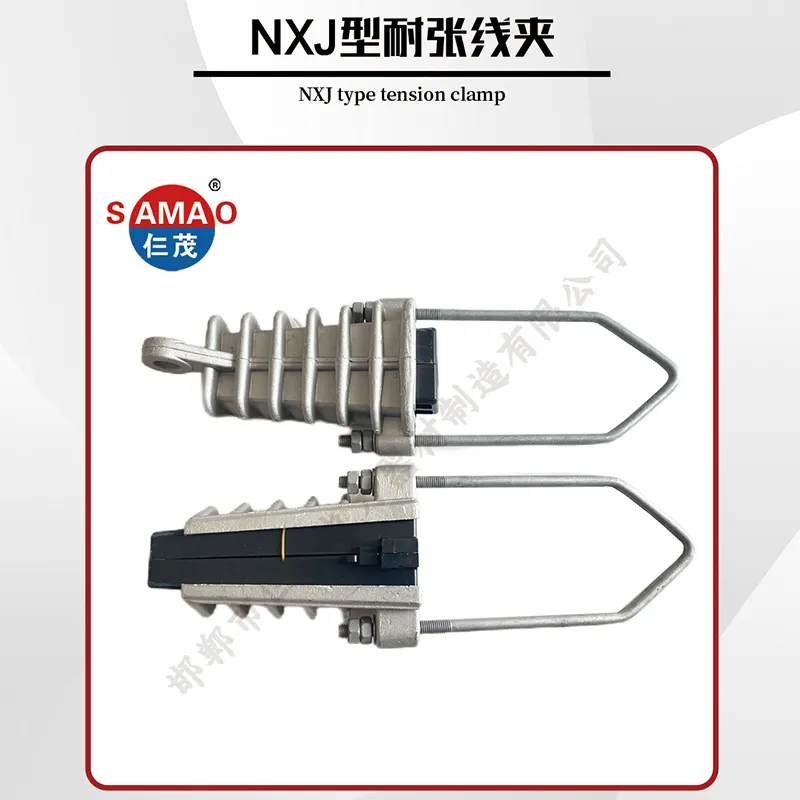
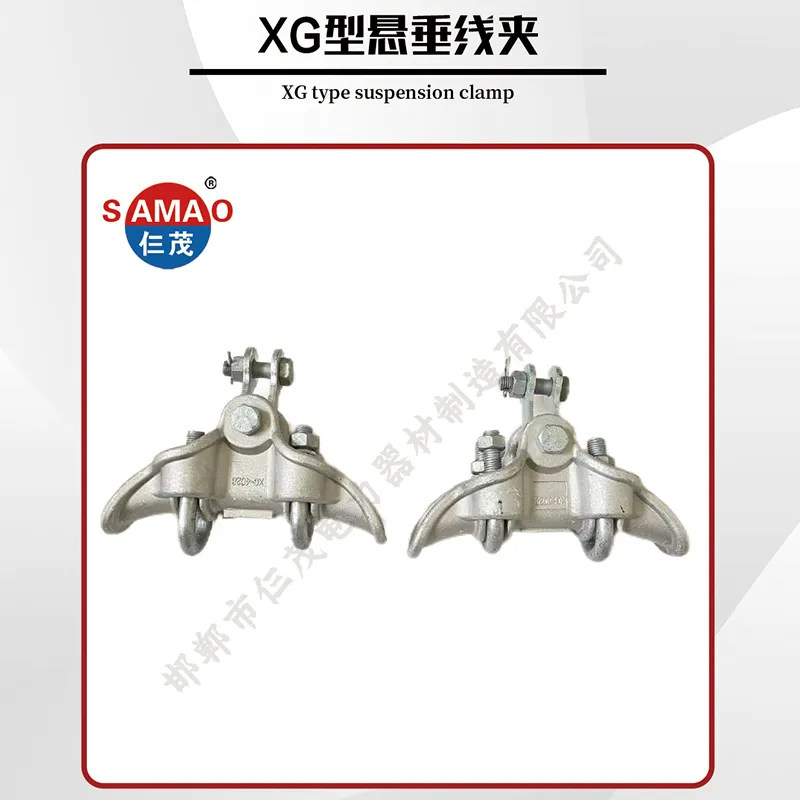
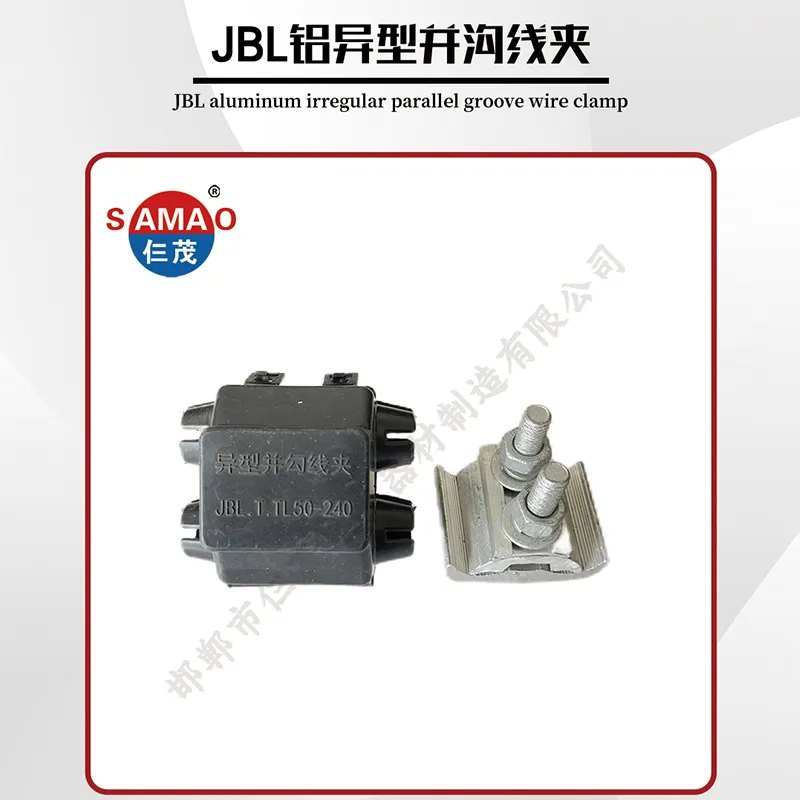
Commonly used accessories include Parallel Groove Clamps for secure connections, and various Tension or Suspension Clamps for overall network structural integrity.
Secure Your Infrastructure with Expert Grounding Solutions
Contact UsMore from this supplier
Handan Samao Electric Power Equipment ManufacturingCo., LTD.