Image not available
Chemicals
High Performance EIFS Bonding Mortar Additive Suppliers and Factory in China
Looking for reliable EIFS bonding mortar additive suppliers? Our China factory provides professional-grade HPMC and VAE mixtures to enhance adhesion and prevent cracking in external insulation systems.
SupplierHEBEI JINGZUAN CHEMICAL TECHNOLOGY CO., LTD.www.cellulosether.cn
Source categories
About this product
Product information from the supplier.
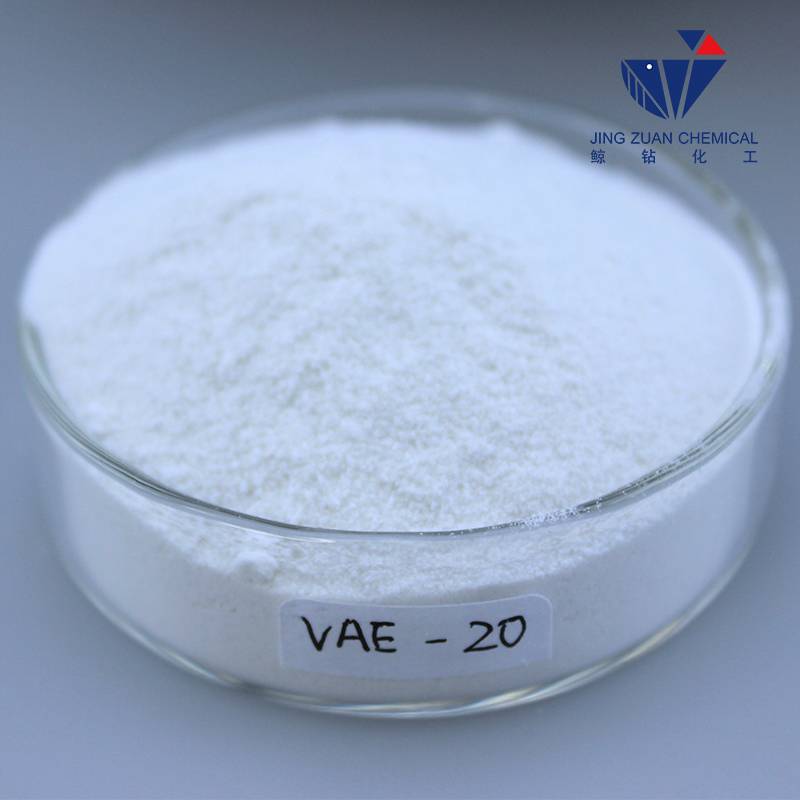
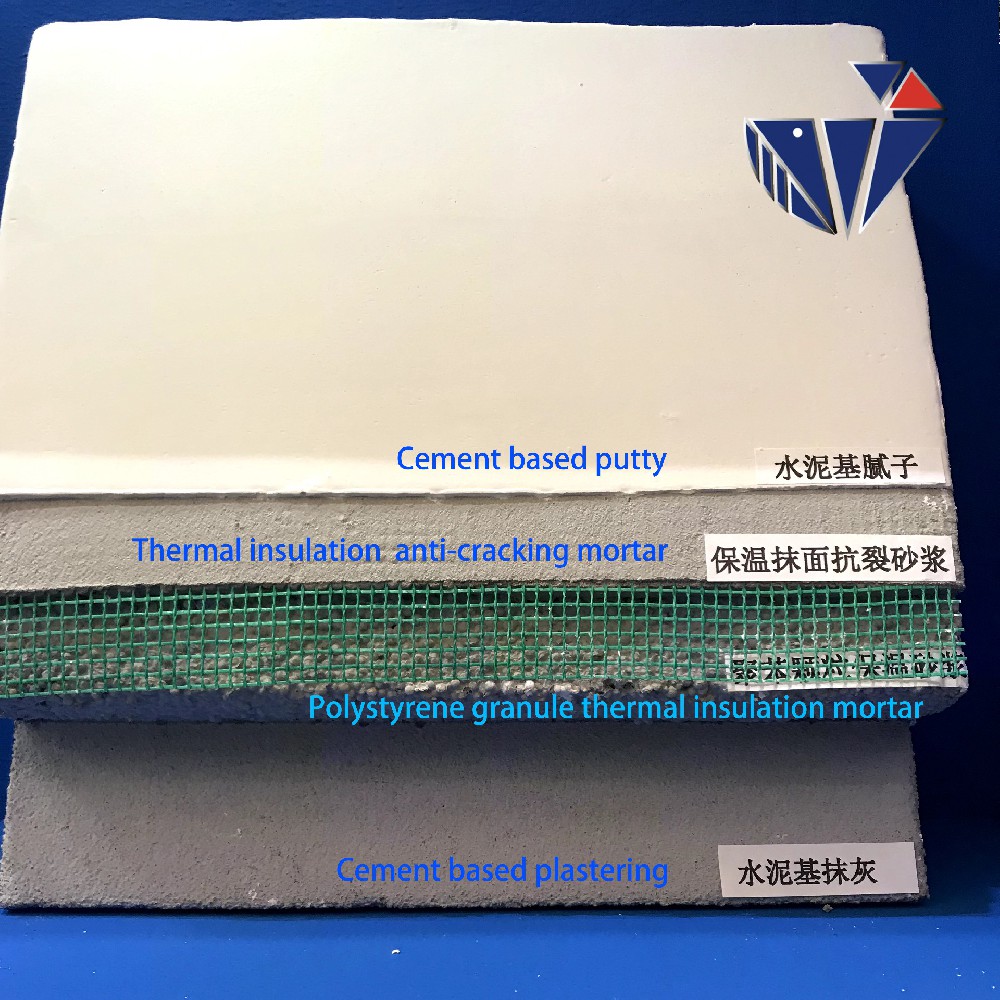
Our EIFS Bonding Mortar Additives are professional-grade chemical solutions engineered specifically for External Insulation and Finish Systems. By integrating high-performance HPMC and VAE redispersible polymer powders through a precise formula, these additives significantly enhance the structural integrity and durability of construction mortars across all layers, from base plastering to final surface leveling.
Designed to optimize the bonding interface between insulation boards and masonry, our additives provide critical water retention and anti-cracking properties. Whether applied to the outer wall putty or insulation layers, our solution ensures a seamless, high-strength bond that withstands environmental stress, guaranteeing long-term stability for modern energy-efficient facades.
Detailed Parameters
| Main Components | HPMC & VAE Polymer | Application Area | EIFS External Walls |
|---|---|---|---|
| Core Function | Bonding & Retention | Target Layer | Base Plaster & Putty |
| Performance Goal | Anti-Cracking | Compatibility | Cementitious Mortars |
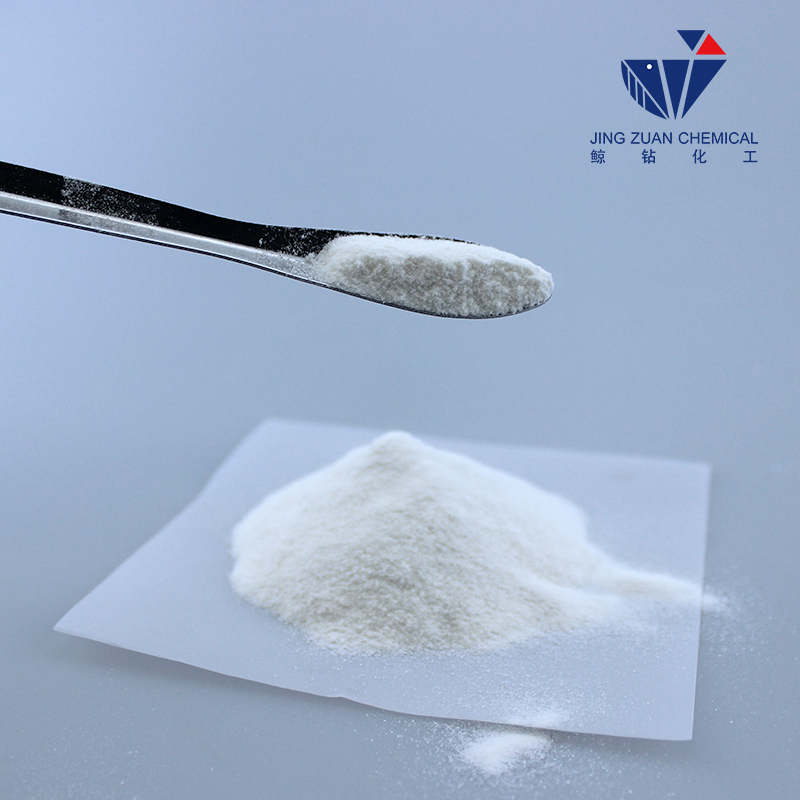
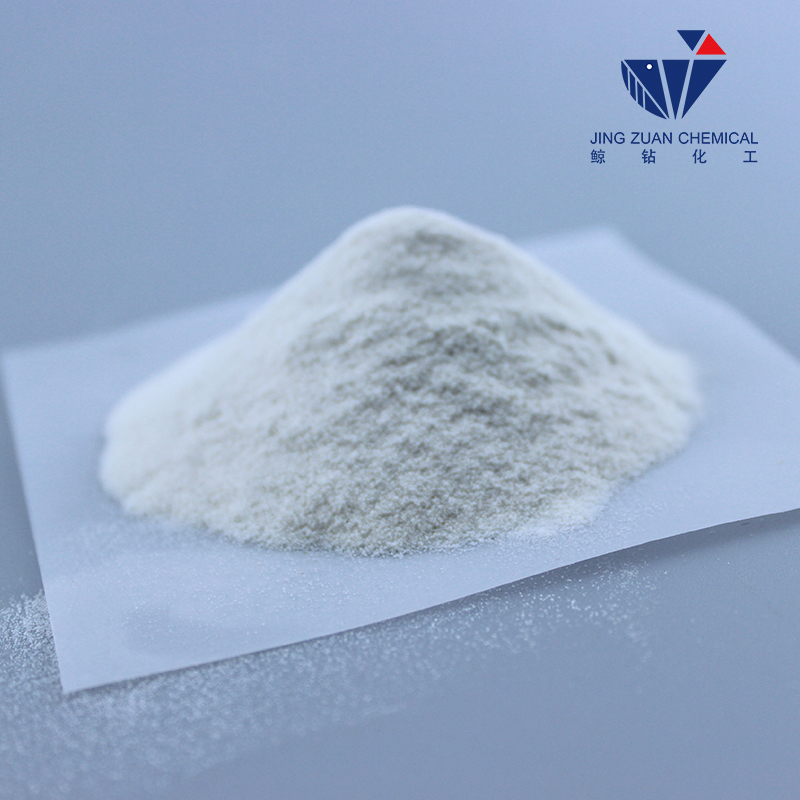
| Physical State | Powder/Additive Mix | Key Benefit | Enhanced Adhesion |
| Sample Availability | Free Samples Provided | Shipping Term | Air Freight (Buyer Paid) |
Key Advantages
Superior Bonding
Drastically increases the bonding strength between each layer of the EIFS system for maximum stability.
Water Retention
Optimized HPMC content prevents rapid dehydration, ensuring a controlled curing process and better workability.
Anti-Cracking
VAE polymers introduce flexibility into the mortar, reducing shrinkage cracks and thermal expansion stress.
Proven Performance
Verified through rigorous laboratory experiments and field application videos for quality assurance.
Quality Stability
We provide samples from different batches to prove our consistency in chemical production.
Versatile Usage
Perfectly suitable for base plastering, insulation layers, leveling layers, and outer wall putty.
Product Gallery
Management Platforms
Quality Control
Strict batch testing to ensure chemical purity and performance consistency.
Custom Formulation
Tailored HPMC/VAE ratios based on specific project requirements and climate.
Sample Logistics
Fast air-shipping coordination for rapid quality verification before bulk orders.
Technical Support
Expert guidance on mixing ratios for different EIFS construction layers.
Global Shipping
Secure packaging and streamlined international logistics for industrial quantities.
R&D Innovation
Continuous optimization of specialized chemical additives for sustainable building.
Investment Return Comparison
| Performance Metric | Standard Mortar | Additive-Enhanced Mortar |
|---|---|---|
| Bonding Strength | Moderate | Ultra-High |
| Water Retention | Low/Fast Evaporation | High/Controlled |
| Cracking Risk | Common (Shrinkage) | Minimal (Flexible) |
| Workability | Standard | Significantly Improved |
| Lifespan (Facade) | Average | Extended Durability |
Frequently Asked Questions
Q: What is the main purpose of using HPMC and VAE in EIFS mortar?
HPMC provides essential water retention and workability, while VAE improves the adhesion, flexibility, and anti-cracking properties of the mortar.
Q: Can these additives be used in all layers of EIFS construction?
Yes, they are designed for the base plastering, insulation attachment layers, surface leveling layers, and final outer wall putty.
Q: How can I verify the quality of the additive before placing a bulk order?
We offer free samples. The buyer covers the air shipping cost, and we can provide samples from different batches to prove our stability.
Q: How do these additives prevent cracks in the outer wall?
The VAE polymer creates a flexible matrix within the cement, allowing the mortar to absorb thermal stresses and reduce shrinkage cracks.
Q: Do you provide technical guidance on the mixing formula?
Yes, we assist customers in optimizing the HPMC and VAE ratio to achieve the best performance based on their specific mortar ingredients.
Q: What is the impact of water retention on EIFS bonding?
Better water retention prevents the mortar from drying too quickly, ensuring proper hydration of cement and stronger chemical bonding to the substrate.
Ready to enhance your EIFS mortar performance?
Contact UsMore from this supplier
HEBEI JINGZUAN CHEMICAL TECHNOLOGY CO., LTD.