Image not available
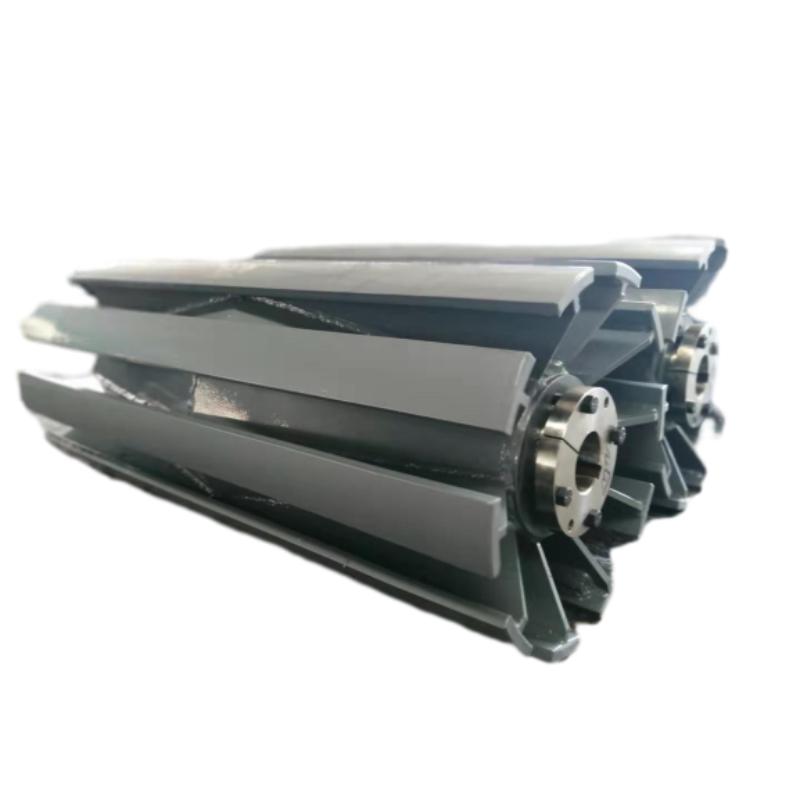
Industrial manufacturing
Industrial Wing Pulley Manufacturers China High Quality Conveyor Pulley Suppliers Factory
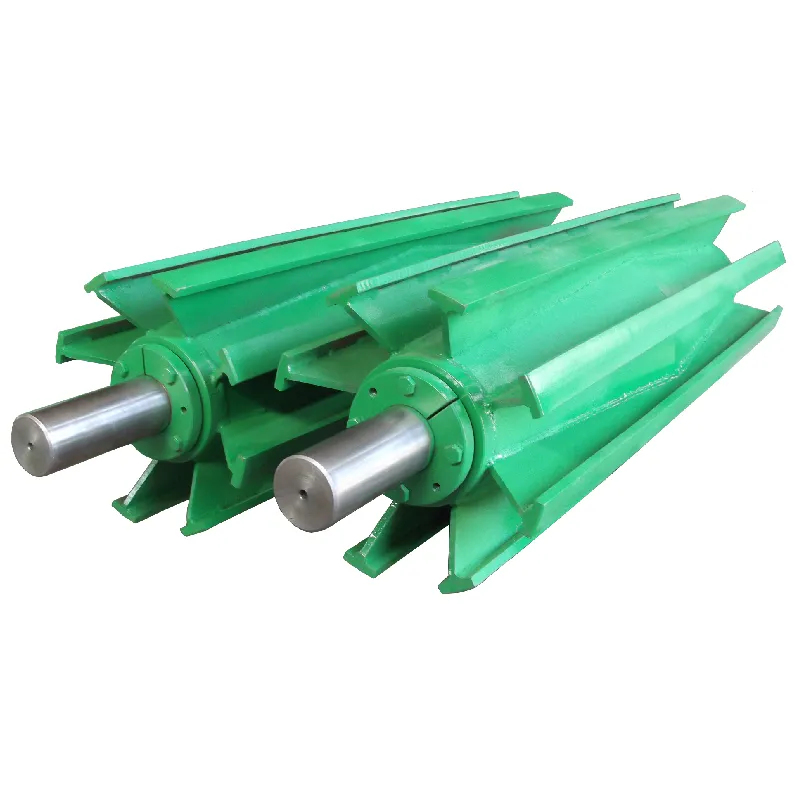
Looking for reliable Wing Pulley China suppliers? Our factory provides high-performance pulleys installed as tail, tension, or snub pulleys to remove stuck materials via an inner cone surface, ensuring maximum conveyor efficiency.
SupplierYanshan Aohua Machinery Equipment Manufacture Limited Companywww.idleraohua.com
Source categories
About this product
Product information from the supplier.
The Wing Pulley is a specialized conveyor component engineered specifically to eliminate material buildup and slag accumulation. By integrating a unique scraping mechanism into the pulley's circumference, it prevents debris from adhering to the rollers, which is critical for maintaining the steady operation of high-capacity belt conveyors and extending the overall equipment lifecycle.
Featuring a sophisticated structural design, our Wing Pulleys utilize metal scrapers with precision-engineered slopes that efficiently discharge stuck materials outside the conveyor belt. Constructed with automatic welding technology and medium-temperature annealing, these pulleys offer exceptional structural strength, minimal residual stress, and superior durability for the most demanding industrial environments.
Detailed Parameters
| Pulley Type | Non-driving pulley | Belt Width (mm) | 500 / 650 / 800 / 1000 / 1200 |
|---|---|---|---|
| Outside Diameter (mm) | 250mm ~ 800mm (Based on Width) | Drum Length | Belt Width + 150-200mm |
| Connection Type | Key Block or XTB Expansion Sleeve | Welding Process | Automatic Welding Equipment |
| Heat Treatment | Medium Temperature Annealing | Scraper Material | High-Strength Metal |
| Customization | Available upon request | Application | Slag and Material Cleaning |
Key Advantages
Efficient Cleaning
Integrated metal scrapers effectively remove slag and stuck materials to prevent roller contamination.
Extended Lifespan
By preventing material buildup, the pulley reduces wear and tear on the entire conveyor system.
High-Strength Welds
Automatic welding ensures consistent quality and maximum structural integrity under heavy loads.
Stress-Free Design
Medium-temperature annealing minimizes residual stress, ensuring long-term geometric stability.
Optimized Discharge
Sloped scraper design ensures that collected debris is discharged away from the belt path.
Flexible Mounting
Compatible with key blocks or XTB expansion sleeves for secure and easy installation.
Product Gallery
Management Platforms
Inventory Control
Real-time tracking of wing pulley stock and raw material availability.
Quality Assurance
Strict automatic welding inspection and annealing verification protocols.
Maintenance Alerts
Predictive scheduling for scraper replacement and pulley inspections.
Order Monitoring
Full visibility from customized design phase to final shipment.
Logistics Sync
Optimized shipping for oversized pulleys to reduce transit costs.
Custom Engineering
Rapid CAD prototyping for customized pulley widths and diameters.
Investment Return Comparison
| Metric | Standard Pulley | Wing Pulley System |
|---|---|---|
| Cleaning Efficiency | Low (Manual) | High (Automatic) |
| Roller Wear Rate | Accelerated | Significantly Reduced |
| Maintenance Frequency | Weekly/Daily | Monthly/Quarterly |
| Operational Uptime | Moderate | Maximum Stability |
| Total Cost of Ownership | High (Due to Repairs) | Low (Long-term Value) |
Frequently Asked Questions
Q: What is the primary function of a Wing Pulley in conveyor systems?
The primary function is to clean slag or stuck materials from the belt, preventing them from adhering to rollers and ensuring steady conveyor operation.
Q: How does the Wing Pulley design prevent material buildup?
It uses metal scrapers on the outer circumference with a sloped interior that directs stuck materials away and outside the conveyor belt path.
Q: What types of connections are available for the drum and shaft?
We provide options for either a traditional key block connection or a high-precision XTB expansion sleeve for secure fastening.
Q: Why is medium temperature annealing important for these pulleys?
Annealing reduces residual stresses created during the welding process, which prevents deformation and significantly extends the service life.
Q: Can the Wing Pulley be customized for specific belt widths?
Yes, specifications including belt width, outside diameter, and length can be fully customized to meet your specific operational requirements.
Q: How does a Wing Pulley affect the maintenance of conveyor rollers?
By removing debris before it reaches the rollers, it prevents the rollers from becoming clogged, thereby reducing friction and increasing their operational life.
Ready to Optimize Your Conveyor Efficiency?
Contact UsMore from this supplier
Yanshan Aohua Machinery Equipment Manufacture Limited Company